The Enduring Relevance of the UN General Assembly
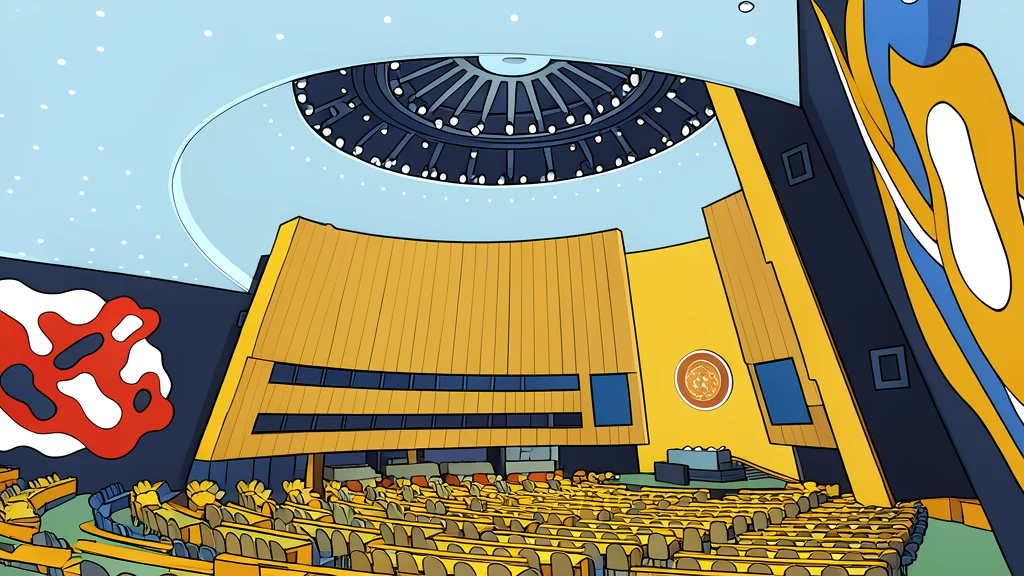
Despite frequent criticism, the UN General Assembly continues to serve as a critical forum for global diplomacy, bridging divides where other bodies have failed.
More than eight decades after its inception, the United Nations General Assembly remains a central stage for international dialogue. It brings together the organization’s 193 member states to debate pressing global challenges, ranging from armed conflict and peacekeeping to climate change and human rights. While the Security Council often dominates headlines, the General Assembly provides a broader platform for discussion, particularly when major powers are unable to reach consensus.
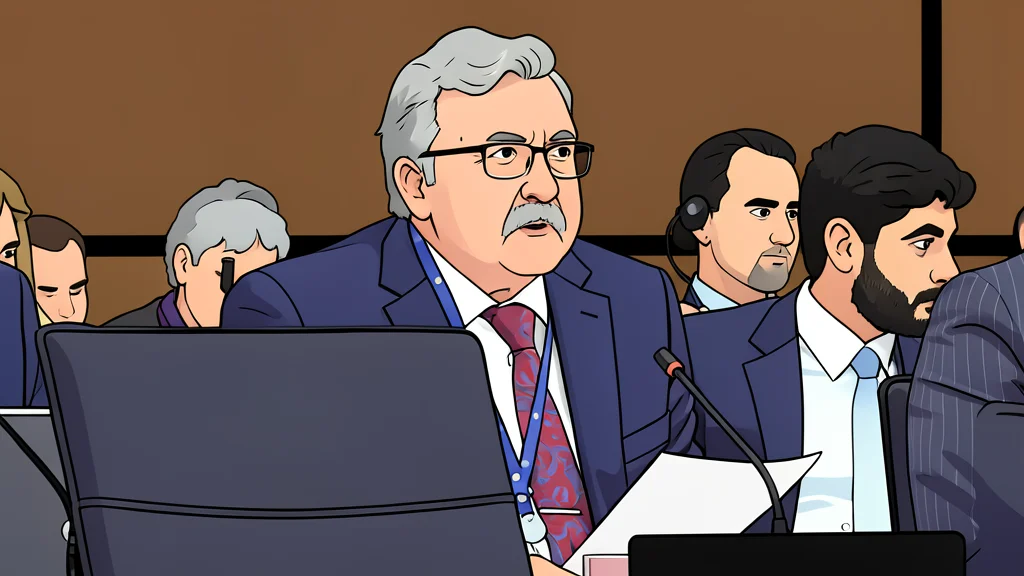
Richard Gowan, Director of UN and Multilateral Diplomacy at the International Crisis Group, has long observed the institution's evolution. In a recent interview with UN News, he discussed the historical trajectory of the body, noting that its role has shifted significantly since 1945. According to Gowan, the Assembly has become a vital counterweight to polarization, offering a space where diverse nations can engage in multilateral diplomacy even in a fragmented geopolitical landscape.
Origins in Post-War Diplomacy
The founders of the United Nations originally envisioned the Security Council as the primary engine for decision-making. However, the rapid onset of Cold War tensions quickly paralyzed that body, with the United States and the Soviet Union frequently deadlocking on critical issues. This gridlock inadvertently elevated the status of the General Assembly. During the 1940s and early 1950s, the Assembly became the de facto forum for addressing major crises, including the Palestinian question and the Korean War, where the Security Council was often unable to act.
A pivotal moment for the Assembly occurred in 1956, when it simultaneously addressed the Suez Crisis and the Soviet invasion of Hungary. According to Gowan, this period tested the institution’s capacity for crisis management. The Assembly mandated the first United Nations peacekeeping operation to help resolve the Suez conflict, marking a significant contribution to international stability during the height of Cold War divisions.
Expansion and Shifting Priorities
The landscape of the General Assembly changed dramatically during the 1960s as newly independent states from former colonial empires joined the organization. The founders had anticipated a membership of perhaps 80 to 90 nations, but the rapid expansion transformed the body’s character. These new voices sought a platform to address issues that were often marginalized in other forums, such as the end of colonialism and the fight against apartheid in South Africa.
Developing nations increasingly used the Assembly to challenge what they perceived as an unfair global economic order. Throughout the 1960s and 1970s, the body passed a series of resolutions condemning apartheid and eventually suspended South Africa’s membership. This shift highlighted the emergence of the Global South as a distinct political force within the United Nations, reshaping the agenda to include broader developmental and economic concerns.
Future Challenges for Multilateralism
As the world faces new complexities, the General Assembly’s role continues to evolve. It remains a crucial venue for states to articulate their positions on emerging threats, from environmental degradation to digital governance. The ability of the Assembly to foster dialogue among divided nations suggests that it will remain a relevant component of the international system, even as power dynamics shift.
Observers suggest that the next phase of the Assembly’s history will depend on its capacity to adapt to contemporary challenges while maintaining its inclusive character. The forward question for diplomats and analysts is how effectively the body can translate its debates into actionable outcomes in an era of rising protectionism and geopolitical competition. For now, it stands as a testament to the enduring, if imperfect, value of multilateral engagement.