Strategic Stalemate: Nuclear Options and the Iran Conflict
As conventional military resources dwindle, the potential for nuclear escalation in the Iran conflict has moved from theoretical to immediate concern, prompting urgent diplomatic scrutiny.
The geopolitical landscape surrounding the ongoing conflict between the United States and Iran has entered a critical phase, characterized by what analysts describe as a strategic impasse. According to reporting from GN auto geopolitics/middle-east: Iran nuclear, the situation is defined by a deepening disconnect between political rhetoric and military reality. While public statements from Washington have suggested a desire for a swift resolution, the operational picture on the ground indicates a prolonged engagement that has strained American logistical capabilities and regional infrastructure.
This tension is compounded by economic fallout, with energy prices surging past historic thresholds as key shipping corridors face disruption. The Strait of Hormuz and the Bab el-Mandeb route, both vital for global trade, are experiencing increased volatility. This economic pressure has intensified calls within the U.S. Congress for a re-evaluation of current military strategies, raising the stakes for any further escalation.
Resource Depletion in Prolonged Campaign
Military observers note that the duration of the current operations has significantly outpaced initial projections. What was anticipated to be a short-term campaign has extended into a multi-month conflict, leading to the depletion of critical offensive and defensive stockpiles. The U.S. Navy, tasked with maintaining regional security, is reportedly operating under stretched capacity, with base support networks in the region facing strain. This resource constraint limits the effectiveness of conventional air and naval strikes, creating a tactical gap that policymakers are increasingly reluctant to acknowledge publicly.
Simultaneously, Iran has demonstrated increased control over regional waterways, leveraging its geographic position to exert economic pressure. The seizure of alternative shipping routes by allied groups has further complicated the strategic calculus for Western powers. With crude oil prices exceeding $110 per barrel and diesel at record levels, the global economic risk has become a central concern, forcing a reassessment of the cost-benefit analysis of continued military engagement.
Underground Facilities and Nuclear Concerns
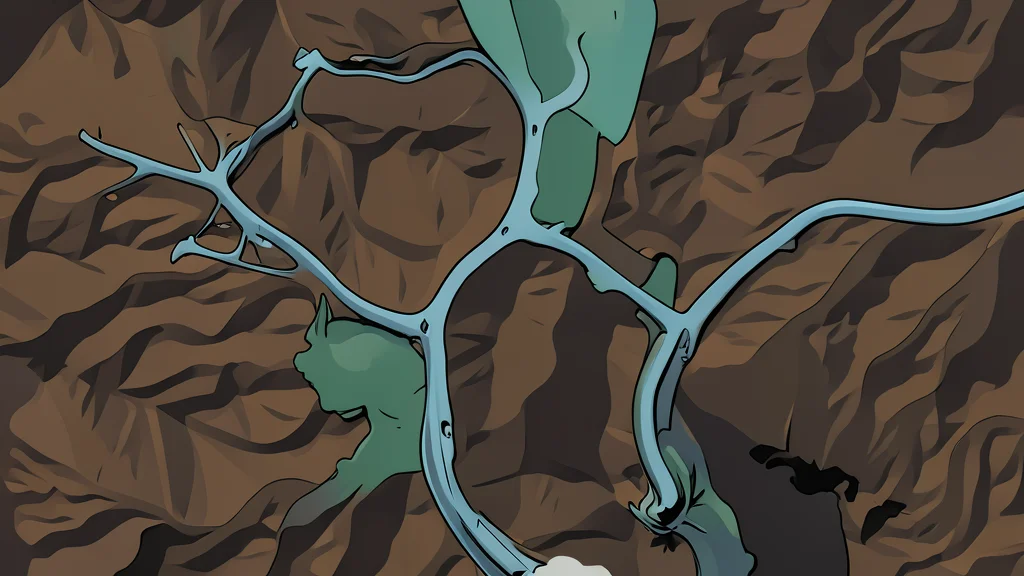
Recent satellite imagery has drawn attention to renewed construction activity at a remote site in Iran, specifically beneath the Pickaxe Mountain. This location is believed to house heavily fortified underground facilities, protected by hundreds of meters of solid granite rock. Such depth renders conventional weapons ineffective, making the site a logical choice for the relocation of sensitive nuclear infrastructure. The impenetrability of these facilities has intensified fears that the nuclear program may be evolving in ways that are difficult to detect or disrupt through traditional means.
In response, there are reports that the U.S. Department of Defense is reviewing the integration of tactical nuclear weapons into conventional war strategies. While no formal decision has been announced, the discussion of such options signals a shift in strategic thinking. This development has been described by critics as a chilling escalation, reflecting a broader trend among some defense intellectuals to lower the threshold for nuclear use in response to perceived strategic failures.
Diplomatic Stalemate and Political Pressure
The political dimension of the conflict is equally fraught. Within the U.S. Congress, bipartisan pressure is mounting to end the military engagement. Repeated votes have been taken to halt further operations, reflecting growing concern over the costs and the lack of a clear exit strategy. The prospect of upcoming midterm elections adds another layer of complexity, as political leaders seek to avoid being associated with a perceived strategic failure. This internal political pressure is forcing the administration to consider options that prioritize a narrative of victory over operational reality.
Diplomatic efforts, including mediation attempts by regional actors such as Oman, have so far failed to yield a breakthrough. The conflicting signals from Washington—ranging from threats of further bombardment to suggestions of negotiation—have created an environment of uncertainty that complicates de-escalation efforts. The forward question now centers on whether the U.S. will seek a negotiated exit or pursue a final, high-risk military action to secure a face-saving conclusion.