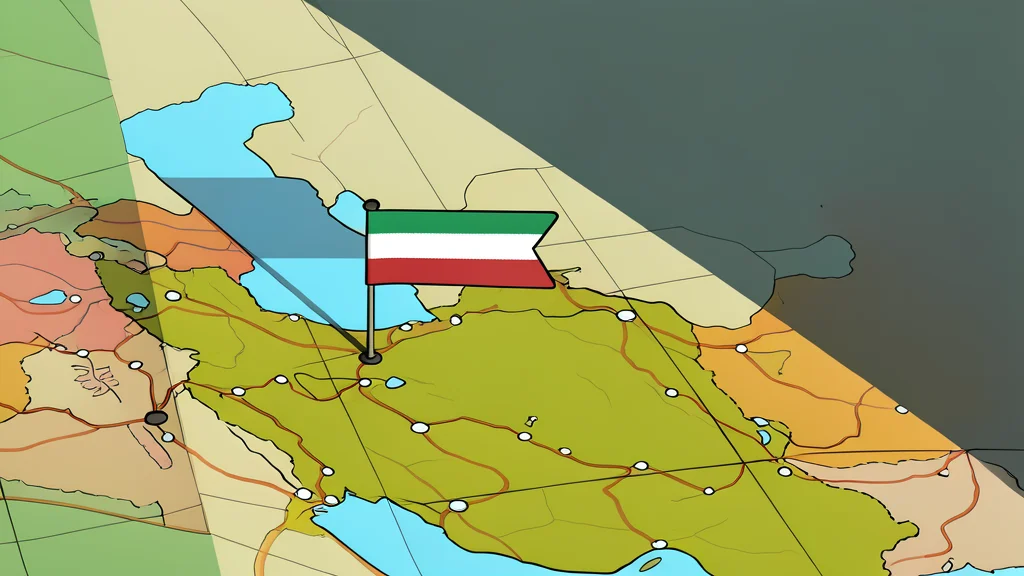
Life Continues in Sloviansk as Russian Forces Close In
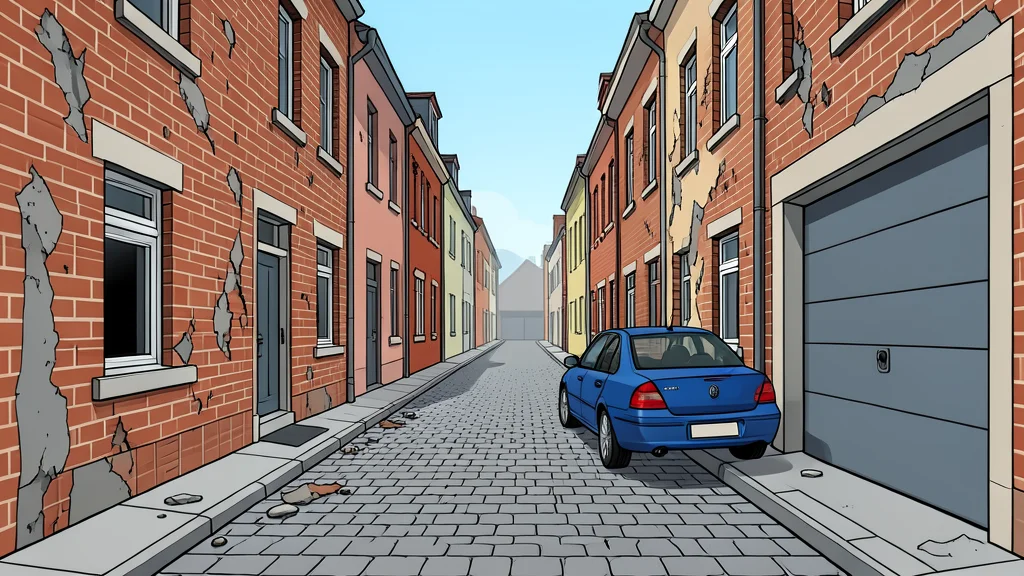
In the eastern front-line city of Sloviansk, daily routines persist despite the encroaching threat of Russian military advances and intensifying drone strikes.
Oleksandr Richak begins his workday only after the early morning wave of Russian drone activity has subsided. For the 42-year-old taxi driver in Sloviansk, Donetsk Oblast, this timing is a calculated risk to avoid the peak hours of FPV drone attacks that have become a daily hazard for vehicles on the road.
As Russian troops advance toward the city, the security situation in what was once a relative safe haven has deteriorated significantly. According to the Kyiv Independent, the city is now approximately ten kilometers from the front lines, with an intensifying barrage of glide bombs and drone strikes gradually dismantling urban infrastructure and driving residents to reconsider their presence.
Daily Risks in a Shrinking City
Richak’s wife, Nataliia, describes the psychological toll of the current situation, noting that she immediately calls her husband whenever she hears an explosion. The couple, who have lived in Sloviansk for nearly two decades, have watched the city change from a bustling hub of commerce to a place where shops and cafes are closing their doors one by one due to damage.
The taxi drivers operate from the central bus station, a location that has become eerily empty. While waiting for bookings, they remain hyper-aware of the sky, listening for the buzzing of drones. The uncertainty is palpable; a sound that might indicate an interceptor drone can turn out to be a direct attack, leaving victims to the luck of the draw.
Adapting to Wartime Economic Realities
Before the full-scale invasion, Richak worked as a truck driver delivering pastries across the country. The war forced a pivot in his career, leading him to take up taxi driving four years ago to supplement his income as a gas repair worker. This dual-income strategy reflects a broader trend among Sloviansk residents who are striving to maintain financial stability while navigating the shrinking local economy.
Despite the danger, the city still functions as a hub for those who remain. Richak’s recent passenger, a soldier named Yurii, was looking for a new apartment as his current tenant left. The interaction highlighted the shrinking community, where shared memories of pre-war life and mutual acquaintances serve as small anchors of normalcy in a rapidly changing environment.
Uncertain Future for Remaining Residents
The decision to stay or leave is becoming increasingly difficult for many in Sloviansk. While some residents flee, others like Richak continue their daily routines, finding meaning in the small connections and the act of providing a service. The forward question remains how long these services can sustain themselves as the infrastructure degrades and the distance to the front lines continues to close.