Rubio Outlines Energy Ceasefire Plan Ahead of US Talks
US Secretary of State Marco Rubio proposed a bilateral halt to strikes on energy infrastructure as Ukraine prepares for high-level negotiations in New York.
Key points
- US Secretary of State Marco Rubio proposed a mutual ceasefire to halt strikes on energy infrastructure in both Ukraine and Russia.
- Ukrainian officials reported five deaths from overnight Russian attacks, while Kyiv damaged two additional Russian refineries in retaliation.
- French President Emmanuel Macron announced new radar systems for Ukraine and discussed a Black Sea moratorium with US President Trump.
Secretary of State Marco Rubio outlined a specific diplomatic proposal on Tuesday, suggesting that the United States should advocate for a mutual ceasefire focused on energy infrastructure. According to Rubio, this approach would prevent both Ukrainian forces from targeting Russian oil refineries and Russian forces from striking Ukrainian power grids, aiming to stabilize the broader conflict.
The statement emerged against a backdrop of intense aerial exchanges, with Ukrainian officials reporting that Russian missiles and drones struck at least four regions overnight, killing five people. Zelenskyy’s forces responded by damaging two additional Russian refineries, continuing a cycle of retaliatory strikes that has persisted even as front-line positions remain largely static.
Global Energy Markets Face Pressure
President Donald Trump has publicly pressured Kyiv to halt attacks on Russian production facilities, arguing that such strikes contribute to global diesel shortages and rising prices. This supply crunch is further exacerbated by reduced oil shipments through the Strait of Hormuz following recent conflicts involving Iran, adding economic weight to the diplomatic debate.
Kyiv maintains that its targeting of Russian refineries is a direct response to repeated Russian attacks on Ukraine’s domestic power grid. Ukrainian leadership has indicated a willingness to pause these operations if Moscow agrees to stop striking energy infrastructure, a condition that aligns with the framework Rubio described in his comments.
Diplomatic Efforts Converge in New York
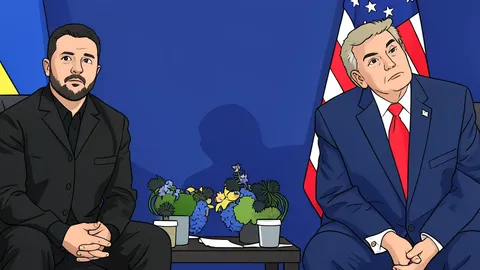
President Volodymyr Zelenskyy is currently in the United States for the U.N. General Assembly, where he is seeking international support to end the more than four-year-old invasion. His schedule includes meetings with U.S. senators, who have recently backed a tougher sanctions bill against Russia that Trump signed into law, signaling a bipartisan push for stricter economic measures.
French President Emmanuel Macron also weighed in on the developments, announcing that Paris would provide Ukraine with additional radar systems to protect its grid. Macron stated that he had discussed the possibility of a truce on energy strikes and a Black Sea moratorium with Trump, indicating a synchronized European approach to de-escalation.
Uncertainty Surrounds Russian Participation
The diplomatic momentum faces a significant hurdle as Russian President Vladimir Putin is not expected to attend the annual U.N. event. According to reports from AOL.com, the absence of direct high-level engagement from Moscow complicates efforts to secure a binding agreement, leaving the fate of the proposed ceasefire largely dependent on indirect channels and third-party mediation.