Sweden and Ukraine Share Critical Warfare Data
Sweden’s defense minister describes a reciprocal exchange with Ukraine, where Swedish hardware is traded for battlefield intelligence and electronic warfare insights that are reshaping modern military doctrine.
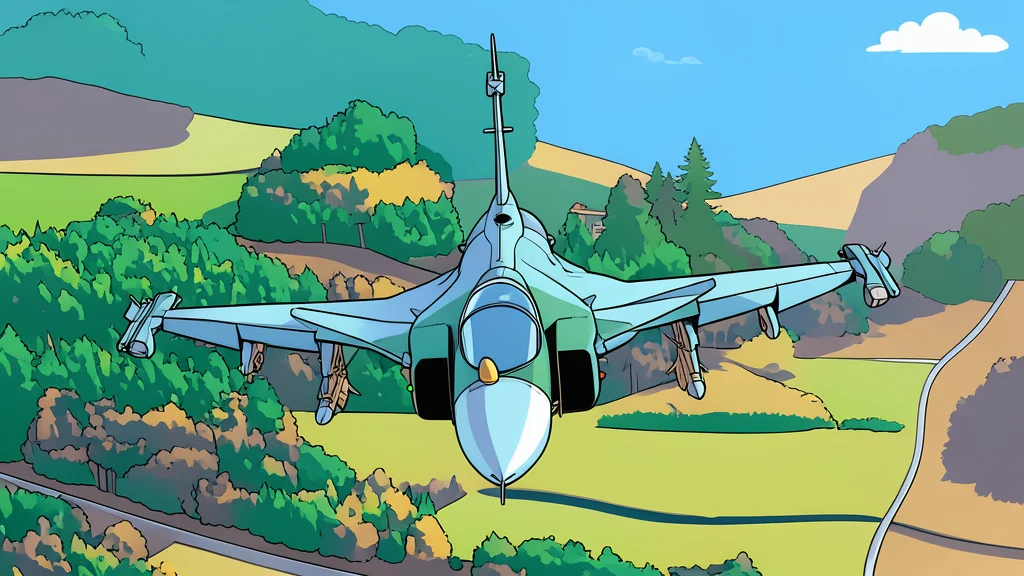
Swedish Defense Minister Pål Jonson stated at the Prague Defence Summit in September that Sweden is the third-largest global supporter of Ukraine, but emphasized that the relationship is not unidirectional. According to Jonson, the exchange involves Sweden providing hardware while Ukraine shares extensive operational data, a trade he described as yielding "priceless" lessons on the evolving nature of conflict. The minister noted that Ukraine will soon receive Gripen fighter aircraft, which will serve as an additional source for this critical information flow.
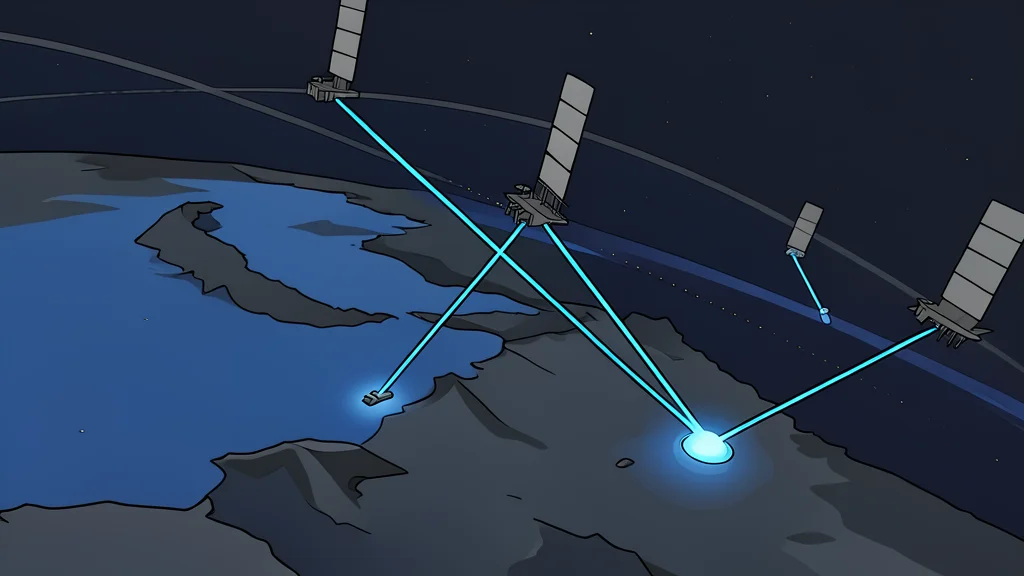
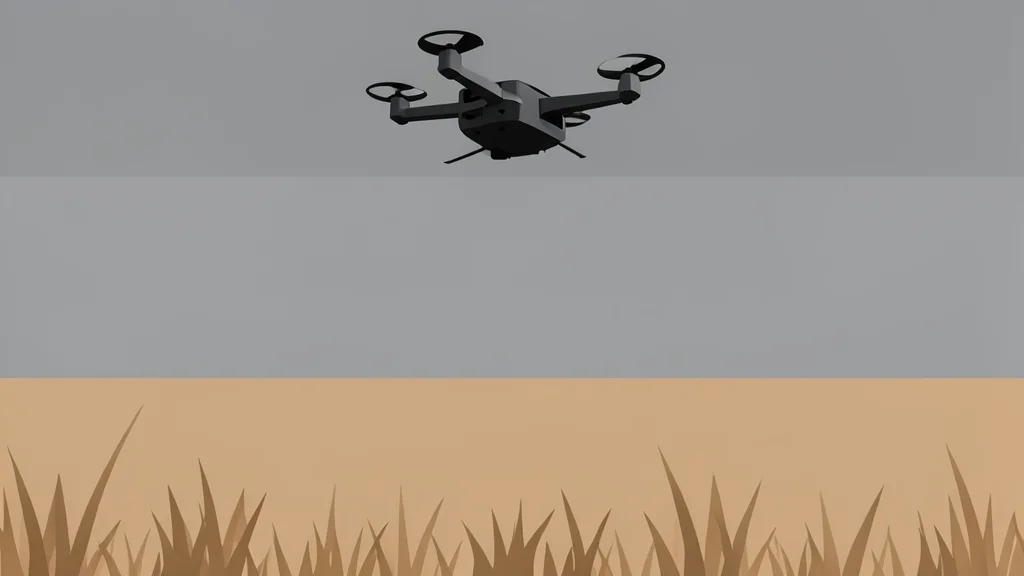
The intelligence being shared extends beyond simple electronic intercepts to include vast quantities of battlefield statistics and combat footage. Former Ukrainian Defense Minister Mykhailo Fedorov previously told Reuters that such data is invaluable for developing artificial intelligence within the defense sector. A recent analysis by the Massachusetts Institute of Technology highlighted that the remnants of drones on Ukrainian frontlines represent a new resource, suggesting that the data generated by these systems will outlast the specific wars in which they are deployed and increasingly inform civilian AI architectures.
Reciprocal Defense Industry Cooperation
Jonson characterized the collaboration between Swedish and Ukrainian defense industries as unique, noting it is the only sector in the world where prices are currently falling. According to Ukrainian officials speaking to 19FortyFive, a significant portion of the shared data pertains to air defense systems. Both nations are at similar stages in integrating Patriot batteries and developing mobile short-range air defense systems to counter Russian drone threats, creating a shared learning curve that benefits both parties.
The partnership also leverages Sweden’s experience in integrating foreign hardware and its specific expertise in countering electronic warfare. Since June 2025, Sweden and Germany have co-chaired the Electromagnetic Warfare Capability Coalition within the Ukraine Defense Contact Group. In March 2026, the Swedish government directed its armed forces and defense agencies to intensify their managerial support for this coalition, aiming to consolidate the technical advantages gained from the ongoing conflict.
Strategic Advantages in Electronic Warfare
A Swedish government electronic warfare specialist explained to 19FortyFive that Sweden holds a distinct advantage because it was never a primary target for Russian electronic warfare during the Cold War. Russia’s industry focused its efforts on first-order targets such as the United States, the United Kingdom, and France. This historical lack of direct targeting allowed Sweden to develop robust connectivity and countermeasure capabilities without the immediate pressure of being neutralized, a position that now provides a unique perspective for analyzing Russian systems.
Future Focus on Data Integration
As the conflict continues, the focus of military cooperation is shifting from static hardware delivery to dynamic data integration. The ability to process and apply real-time battlefield intelligence is becoming a central metric of defense capability. Analysts suggest that the next phase of NATO alliances will increasingly depend on the speed at which partners can translate raw combat data into actionable strategic advantages, a process where the Ukraine-Sweden model is currently being scrutinized as a potential template.