Ukraine Reports Shift to Small Unit Assaults Amid Drone Dominance
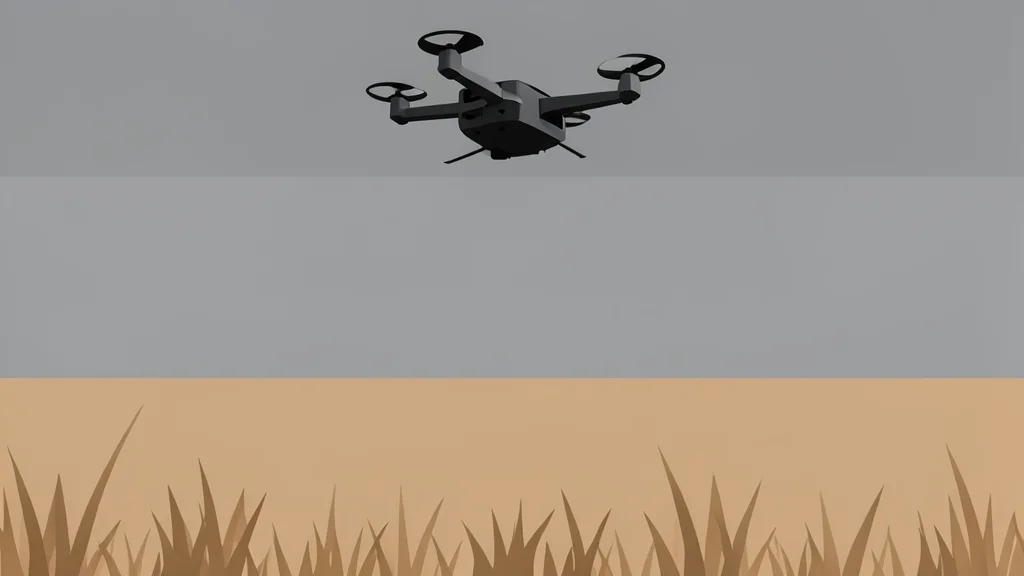
Russian forces have altered their offensive strategies, relying on small infantry groups to navigate the expanded danger zone created by widespread drone surveillance.
Russian military tactics have undergone a significant transformation over the past year, shifting away from large-scale armored columns toward the deployment of small infantry squads and lone soldiers. According to Viktor Trehubov, a spokesperson for the Joint Forces Task Force, this change is a direct response to the lethal environment created by the proliferation of unmanned aerial vehicles on both sides of the conflict. The goal of these fragmented attacks is to allow individual troops or tiny groups to penetrate the defensive perimeter before assembling into larger formations for sustained assaults.
The strategic shift is driven by the expanding reach of drone surveillance, which has extended the so-called kill zone to approximately 20 kilometers. In this high-risk area, traditional heavy equipment is increasingly vulnerable to detection and destruction by relatively inexpensive drones. Consequently, both Russian and Ukrainian forces have prioritized minimizing their visual and thermal signatures to avoid being targeted from the air, making the movement of large armored units through the front lines a rare and high-risk maneuver.
Infantry Leads New Tactical Approach
As reported by the Kyiv Independent, Ukrainian mechanized brigades have observed a similar trend in their own operations this spring, with tank crews rarely deploying in the current phase of the war. Trehubov described this evolution as tanks moving from the forefront of battle to a much more distant supporting role. He noted that Russian troops are sending fewer soldiers per assault, struggling to maintain momentum in the northeastern front where the danger zone is most intense.
The new procedure involves small groups or individuals attempting to cross the initial defensive lines. Once they successfully navigate the kill zone, these soldiers take cover in natural features such as gullies or coves. From these concealed positions, they wait for the main body of the assault force to follow, allowing them to coordinate a more organized push into enemy-held territory without immediately revealing their full strength to aerial reconnaissance.
Drones Replace Heavy Armor Roles
The prevalence of drones has effectively replaced many of the functions previously performed by tanks and other heavy equipment. Driving a tank close to the front lines now presents a significant tactical disadvantage, as the vehicle is easily spotted and can be hit by cheaper drone systems. This economic and tactical imbalance has led to a fundamental reshaping of battlefield dynamics, where air superiority and drone saturation dictate the tempo and nature of ground operations.
There are, however, specific conditions under which heavy armor may still be employed. Trehubov indicated that Russia might use tanks if it can provide massive drone support to screen the advance, or if weather conditions such as rain or fog hinder the operation of Ukrainian drones. These exceptions remain limited, confirming that the standard operational norm has shifted decisively toward lighter, more dispersed infantry tactics.
Forward Looking Tactical Implications
As the war enters its next phase, the effectiveness of these small-unit tactics will likely determine the pace of territorial changes on the eastern front. Observers should watch for any shifts in drone technology or weather patterns that might allow for a return to heavier armored assaults. The current reliance on dispersed infantry also suggests a prolonged period of attrition, where the ability to conceal movement and survive the kill zone becomes the primary metric of success for ground forces.