Ukraine Claims First-Ever Maritime Drone Engagement in Black Sea
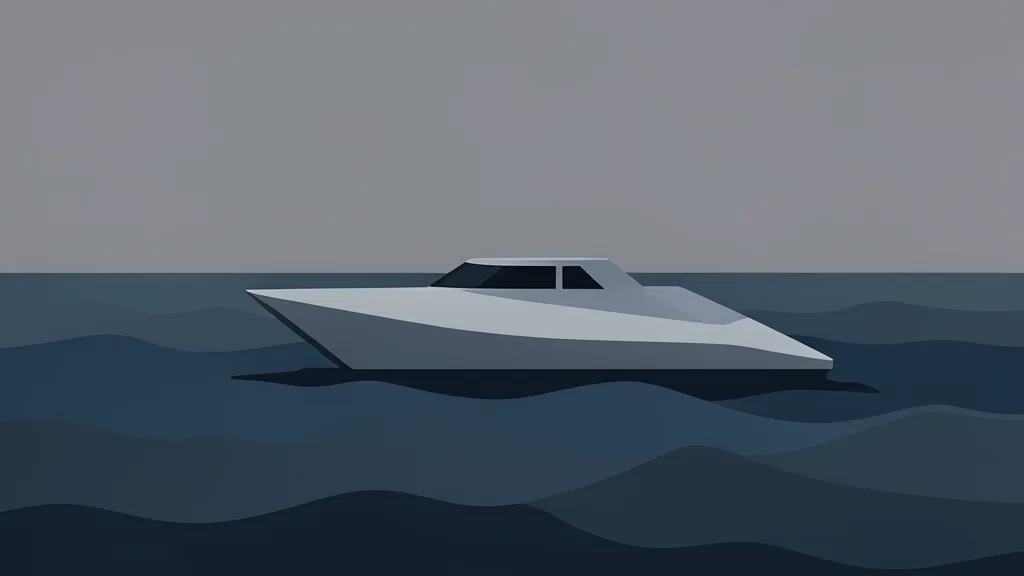
Ukraine’s Navy reports a historic first as an unmanned surface vessel neutralized a Russian naval drone in the Black Sea, marking a shift toward autonomous maritime combat.
Ukraine’s Navy has reported the destruction of a Russian unmanned naval vessel in the Black Sea, an event it describes as the first recorded battle between autonomous maritime platforms. The engagement, which occurred on September 12, involved a Ukrainian Sargan-3000 unmanned surface vessel that reportedly disabled the Russian drone using a 12.7-mm remote weapons station. According to the Navy, the operation was a joint effort with the country’s military intelligence agency, which detected the incoming Russian system before the strike was executed.
While the Navy published video footage of the incident on its official channels, the Kyiv Independent could not independently verify the specific details of the engagement at the time of publication. However, the reported incident aligns with a broader trend of escalating tensions in the region, where both Moscow and Kyiv are increasingly integrating unmanned systems into their maritime strategies. The event underscores a potential new phase in naval warfare, moving beyond traditional ship-to-ship combat to include direct confrontations between autonomous assets.
Evolution of Black Sea Naval Tactics
The reported drone-on-drone encounter represents a distinct shift in how maritime conflicts are being waged in the Black Sea and Sea of Azov. Ukraine has significantly expanded its use of maritime drones this summer, claiming strikes on dozens of Russian vessels and logistics targets. In the Sea of Azov alone, Ukrainian forces have reported hitting 105 Russian vessels, a campaign that has severely disrupted Russian maritime operations in the region. This escalation suggests that unmanned systems are becoming primary tools for naval dominance rather than supplementary assets.
Russia, in response, appears to be accelerating its own development of unmanned surface systems. Recent satellite imagery has indicated that Moscow is constructing what analysts believe is its first dedicated naval-drone port in occupied Crimea. This infrastructure development suggests a long-term commitment to unmanned maritime warfare, mirroring Ukraine’s rapid adoption of similar technologies. The parallel development of these capabilities by both sides points to a future where autonomous vessels may play a central role in regional security dynamics.
Capabilities of the Sargan-3000 Platform
The Sargan-3000, the platform allegedly used in the recent engagement, is a multi-purpose naval unmanned system that passed combat testing in April 2026. According to the Navy, the vessel is highly maneuverable and capable of executing complex strike missions. Its integration of a remote weapons station allows it to engage targets at a distance, reducing the risk to crewed personnel. The successful deployment of this system, if verified, would demonstrate the maturity of Ukraine’s unmanned maritime program and its ability to counter similar Russian technologies.
Future Implications for Maritime Security
The potential for drone-on-drone combat in the Black Sea raises significant questions about the future of naval warfare. As both nations continue to invest in unmanned technologies, the likelihood of similar engagements is expected to increase. Analysts suggest that the next steps to watch include further developments in Russian drone infrastructure and any subsequent Ukrainian responses. The verification of this specific incident will be crucial in understanding the true state of autonomous maritime capabilities in the region, as both sides may have incentives to exaggerate or minimize the significance of such events.