HMS Queen Elizabeth Assumes NATO Command Role
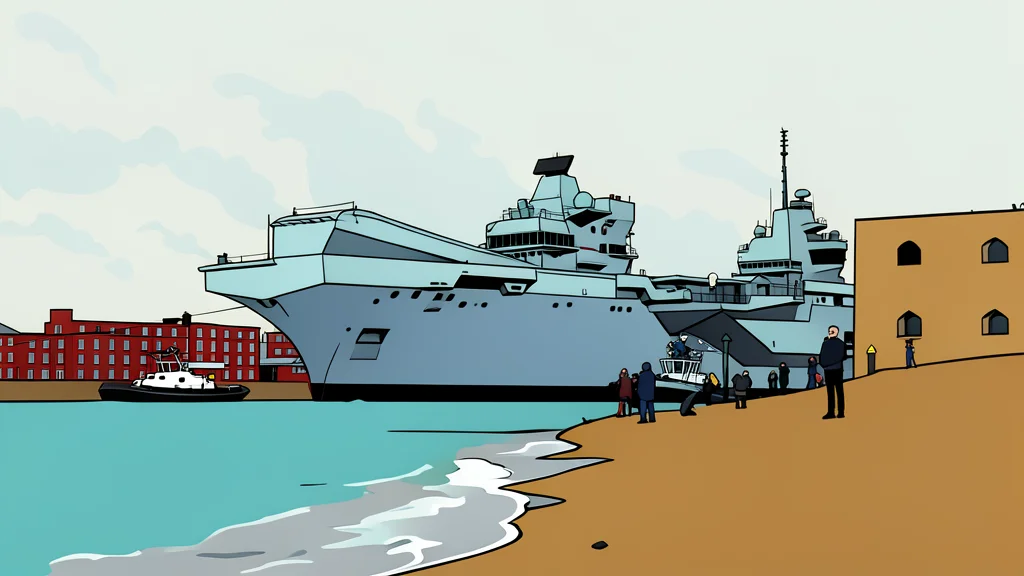
The Royal Navy’s flagship has transitioned from national service to a pivotal alliance position, marking a significant shift in European naval strategy.
The United Kingdom’s HMS Queen Elizabeth has formally assumed a new operational mandate as the command ship for the North Atlantic Treaty Organization. According to GN geopolitics/nato, the vessel completed a comprehensive maintenance period of 22 months before resuming its duties. This transition marks the first time either of Britain’s two carriers has served as the lead ship for the alliance, signaling a broader integration of national assets into collective defense structures.
Captain Claire Thompson, the ship’s commanding officer, stated that the vessel is rested and ready for its next phase of training. The carrier will lead the Allied Response Force in upcoming joint exercises designed to prepare alliance members for potential crises in European waters. This deployment is viewed as a critical milestone for the United Kingdom’s commitment to NATO while the ship undergoes reintegration with its battle staff.
Strategic Shift in Alliance Leadership
The assumption of this role highlights the unique position of the United Kingdom within NATO’s naval capabilities. Of the alliance’s 32 members, only four operate aircraft carriers, with the US and UK holding the most extensive fleets. The UK is the only non-US member to operate two carriers, giving it a distinct advantage in providing command and control platforms. This deployment underscores the importance of maintaining high-readiness assets that can project power and coordinate complex multinational operations.
Modernization and Hybrid Air Wings
The carrier’s return to service coincides with a significant investment in modernization. London’s Defence Investment Plan directs substantial funds toward the development of a Hybrid Carrier Air Wing. This initiative aims to integrate jet-powered unmanned aerial systems alongside manned fifth-generation fighters. The goal is to create a versatile force capable of supporting a wider spectrum of modern naval warfare, from surveillance to strike operations.
The Royal Navy has indicated that the ship will undertake advanced training under the Flag Officer Sea Training organization. This exercise is intended to ensure the carrier is prepared to respond to emerging threats. The integration of unmanned systems represents a strategic shift toward hybrid warfare, where autonomous platforms complement traditional manned assets to enhance operational efficiency and safety.
Addressing Mechanical Reliability Concerns
The current deployment may serve as a test of the carrier’s reliability after previous mechanical failures. Both the Queen Elizabeth and its sister ship, HMS Prince of Wales, have experienced issues with propeller shafts that sidelined them for extended periods. These incidents raised questions about the fleet’s readiness and maintenance protocols. The successful completion of this deployment could help restore confidence in the Royal Navy’s ability to maintain high operational standards.
As the carrier prepares for its next phase, the focus remains on ensuring that all systems are functioning optimally. The next few months will be crucial for demonstrating that the technical challenges have been resolved. Observers will closely monitor the outcome of the upcoming exercises to assess the carrier’s performance and its readiness to resume its role as a primary component of the Royal Navy’s fleet.