Ukraine’s Zozulia Drones Hunt Russian Logistics in Crimea
Ukrainian forces have expanded mid-range drone operations to target Russian supply lines in occupied Crimea, sustaining pressure on enemy logistics.
Key points
- Ukraine's 422nd Regiment uses Zozulia drones to strike Russian logistics in occupied Crimea.
- The 'middle strike' range covers 35 to 300 kilometers, bridging short and deep strikes.
- Remote piloting via satellite allows operators to work safely from anywhere in Ukraine.
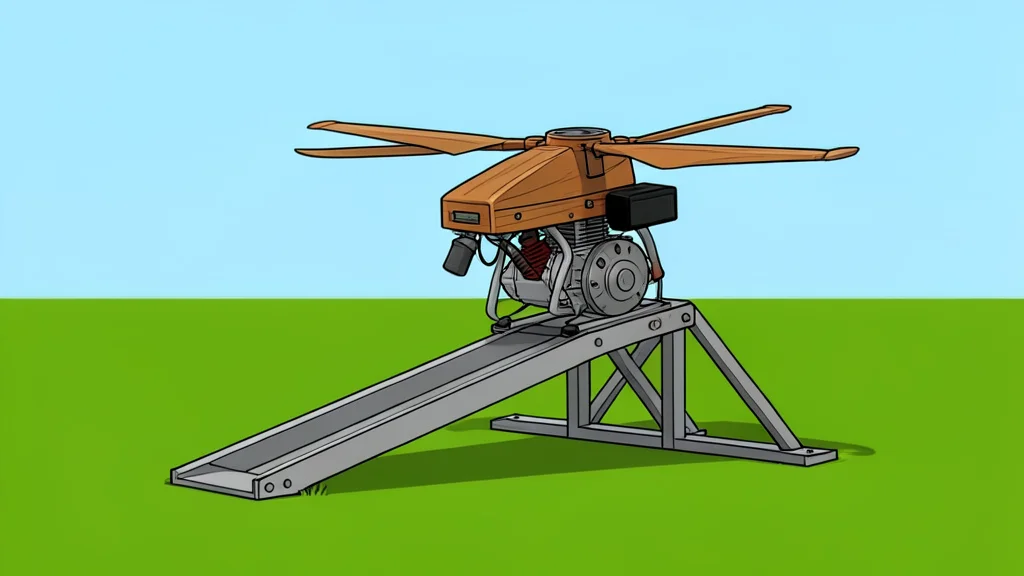
Ukrainian military units are increasingly targeting Russian logistics networks in occupied Crimea using a new class of mid-range autonomous aircraft. According to a report by the Kyiv Independent, the 422nd Unmanned Systems Regiment has integrated the Zozulia, a heavy suicide drone, into its operational repertoire to strike high-value targets deep behind enemy lines.
This shift represents a significant evolution in the conflict's aerial warfare dynamics. While front-line combat remains intense, the focus has broadened to include the systematic disruption of supply chains that sustain Russian forces in the southern region, marking a strategic expansion beyond immediate tactical engagements.
Mid-Range Strike Capabilities Expand
The Zozulia occupies a distinct range category known as the "middle strike," bridging the gap between short-range first-person view drones and long-range deep strikes. This specific band, spanning from roughly 35 to 300 kilometers, has seen rapid technological development over the past year. Ukrainian forces have leveraged refined guidance systems and increased state procurement to expand the scope and scale of these operations, effectively turning previously secure rear areas into active hunting grounds.
Operational Tactics and Crew Dynamics
Crew members describe the transition to these larger platforms as a significant improvement in operational safety and effectiveness. One operator noted that working at a distance allows for better logistics and reduced signal loss compared to earlier models. The drones are launched via catapult systems in the field and then piloted remotely via satellite internet by operators located anywhere within Ukraine. This decentralized command structure enhances survivability and allows for rapid deployment across the vast open steppes of the southern front.
Sustaining Pressure on Enemy Logistics
Despite Russian efforts to adapt with jet-powered counter-drones and hardened infrastructure, Ukrainian mid-range strikes continue to impose a persistent burden on enemy forces. The ability to strike moving columns and static installations in occupied territories undermines the stability of Russian logistical networks. As the war enters a new phase with potential mobilizations and seasonal changes, maintaining this technological edge in the mid-range spectrum is viewed as crucial for the long-term strategic balance.