German Centrist Parties Face Electoral Collapse
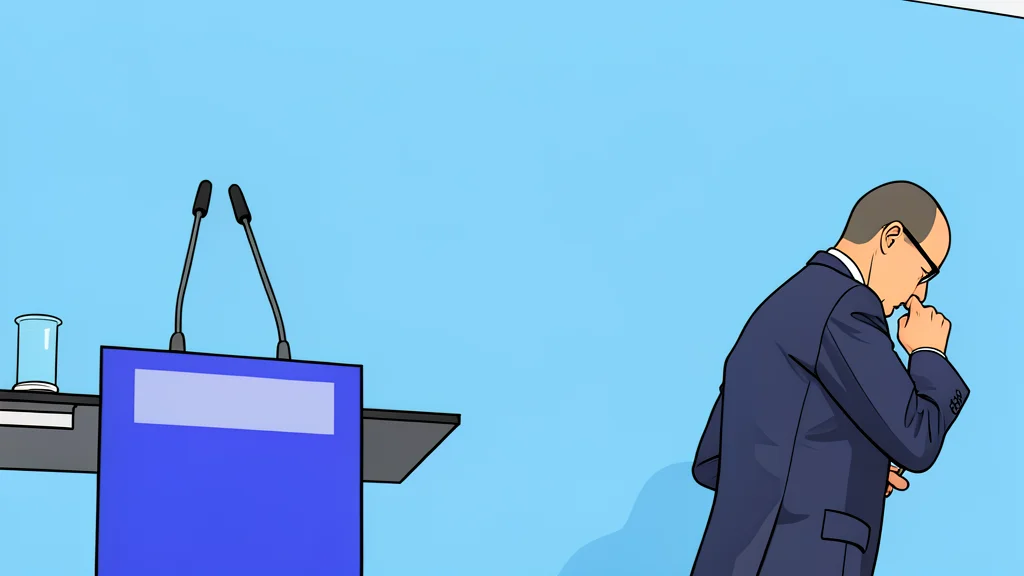
Friedrich Merz's approval ratings have hit record lows as the CDU suffers significant losses in recent state elections.
Key points
- Friedrich Merz's approval ratings have hit record lows, and the CDU has lost support in recent state elections.
- The rise of the AfD is linked to public dissatisfaction with long-standing austerity policies and economic stagnation.
- Similar political shifts are occurring in France and the UK, where centrist parties face growing opposition from far-right groups.
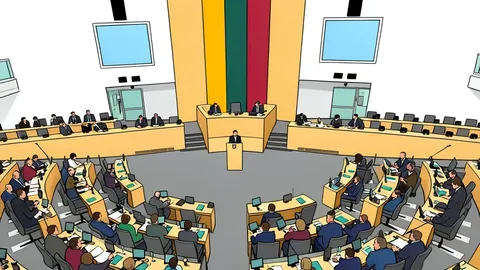
Friedrich Merz has served as German Chancellor for less than a year and a half, yet his approval ratings have reached record lows. According to Al Jazeera English, the Christian Democratic Union (CDU) is experiencing a sharp decline in support, having lost one state election and suffered a decisive defeat in another.
While German media often attribute these setbacks to weak campaigning or unpopular coalition dynamics, the broader context suggests a deeper shift. The party is losing its traditional dominance, marking a significant challenge for the center-right political establishment in Germany.
Shift in public perception
Observers note that the decline may reflect a crumbling image of centrist politicians as moderate technocrats. For decades, these parties presented themselves as pragmatic and competent, but recent economic stagnation has challenged that narrative. The public is increasingly questioning the effectiveness of long-standing centrist strategies.
The rise of the Alternative for Germany (AfD) is often linked to this dissatisfaction. Rather than being a sudden ideological shift, the growth of the ultra-right is viewed by some analysts as a reaction to years of austerity and economic hardship. This has created a political vacuum that populist parties are exploiting.
Pan-European political trends
This phenomenon is not unique to Germany. Similar trends are visible in France and the United Kingdom, where centrist parties face growing opposition. In France, President Emmanuel Macron’s policies have contributed to a rise in far-right support, particularly regarding economic inequality and labor reforms.
In the UK, the long-standing duopoly between Conservative and Labour parties has also faced challenges. Decades of economic policies favoring financial sectors have led to significant inequality, fueling discontent among the general population. These shifts suggest a broader European realignment against established centrist norms.
Implications for future elections
The consequences of these shifts are becoming apparent at the ballot box. Centrist parties are finding it difficult to maintain their hold on power as voters seek alternatives to traditional economic management. This could lead to more fragmented parliaments and unstable coalition governments across the continent.
Looking ahead, the key question is whether centrist parties can adapt their platforms to address these grievances. Without significant policy changes, they may continue to lose ground to both ultra-right and left-wing challengers, reshaping the political landscape of Europe.