BRICS Leaders Challenge Global Trade Norms and Sanctions Regime
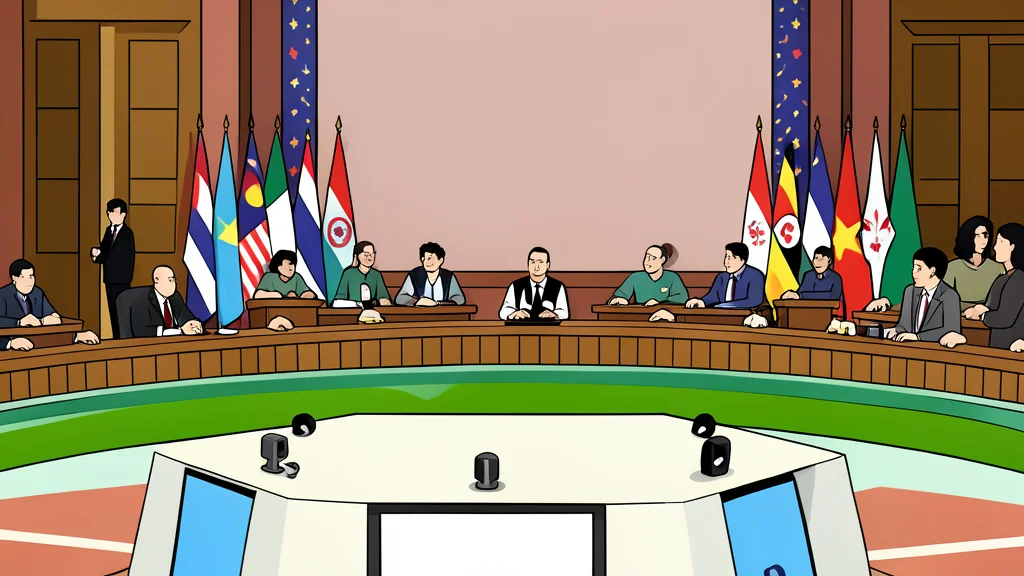
The New Delhi Declaration signals a coordinated push to reform international economic institutions and challenge unilateral measures.
Leaders of the BRICS nations have issued a joint declaration calling for an immediate halt to unilateral economic sanctions. Adopted during the 18th BRICS Summit in New Delhi, the document expresses deep concern over what the grouping describes as a critical crossroads for the global multilateral trading system. According to GN geopolitics/trade (en-US), the statement warns that arbitrary tariff increases and trade barriers framed as environmental measures are disrupting supply chains and disproportionately harming developing economies.
The declaration positions these actions as violations of World Trade Organisation rules and the United Nations Charter. The leaders argue that such protectionist policies fuel economic uncertainty and widen the gap between advanced and emerging markets. By condemning secondary sanctions imposed outside the mandate of the UN Security Council, the group asserts that these measures undermine fundamental rights, including access to food, healthcare, and sustainable economic development.
Reforming Global Economic Governance
A central pillar of the New Delhi Declaration is the demand for structural changes within the Bretton Woods institutions. The leaders emphasized that the growing share of emerging markets and developing economies in global output requires a corresponding shift in representation. They called for the governance structures of the International Monetary Fund and the World Bank to become more inclusive, accountable, and reflective of the current economic landscape.
The statement specifically advocates for greater regional diversity and increased representation of emerging economies in the leadership positions of these key financial bodies. This move is intended to ensure that the institutions remain agile and effective in addressing the needs of a multipolar world, rather than remaining anchored to post-war structures that the group argues no longer fit the current global reality.
Strengthening Multilateral Trade Frameworks
BRICS members also reaffirmed their support for a robust and rules-based multilateral trading system with the WTO at its core. The declaration highlights the urgent need to restore the two-tier binding dispute settlement mechanism, which has been largely non-functional in recent years. The leaders called for the immediate appointment of new Appellate Body members to ensure that trade disputes can be resolved fairly and predictably.
According to the text, the group views the WTO as the essential safeguard against the rise of non-tariff barriers and restrictive measures. They argue that a transparent and equitable trading system is vital for maintaining global economic stability and preventing the fragmentation of international commerce into competing blocs.
Implications for Future Cooperation
The summit, guided by the theme of building resilience and sustainability, underscores a collective intent to collaborate on trade disruptions. The BRICS nations aim to prioritize the development needs of their member states while engaging with the broader international community. This diplomatic stance reflects a broader trend among emerging powers to seek a more balanced voice in global decision-making processes.
As the summit concludes, the focus now shifts to how these declarations translate into concrete policy actions. Observers will watch for subsequent negotiations on WTO reform and the potential impact of this unified stance on ongoing trade disputes and sanctions regimes. The coming months will likely reveal whether these calls for reform lead to tangible changes in international economic governance or remain largely aspirational statements in a divided global landscape.