BRICS Leaders Gather in New Delhi Amid Global Conflict

The 18th BRICS summit opens in India, bringing together leaders from across the Global South as they navigate widening geopolitical rifts and internal disagreements over major ongoing conflicts.
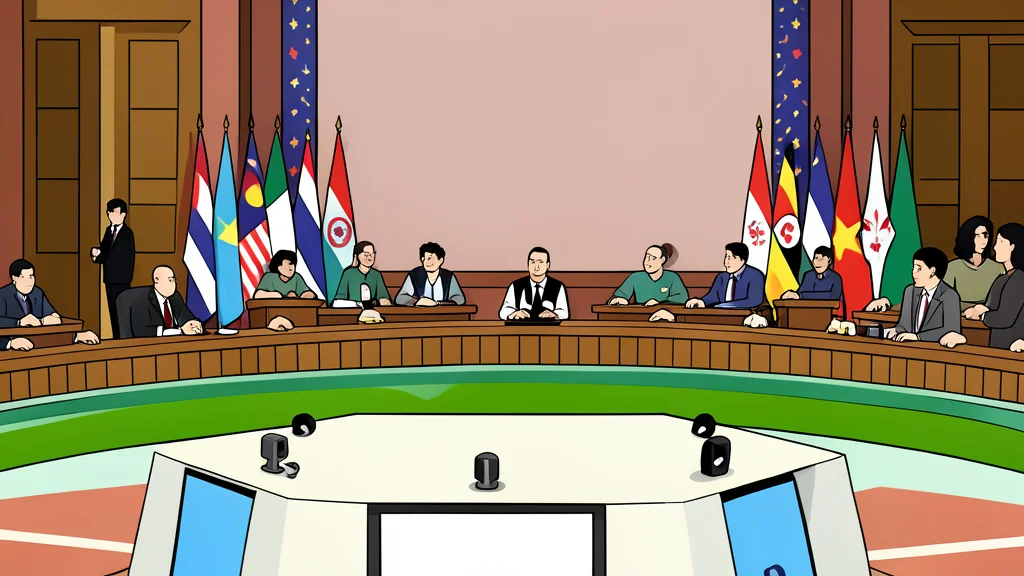
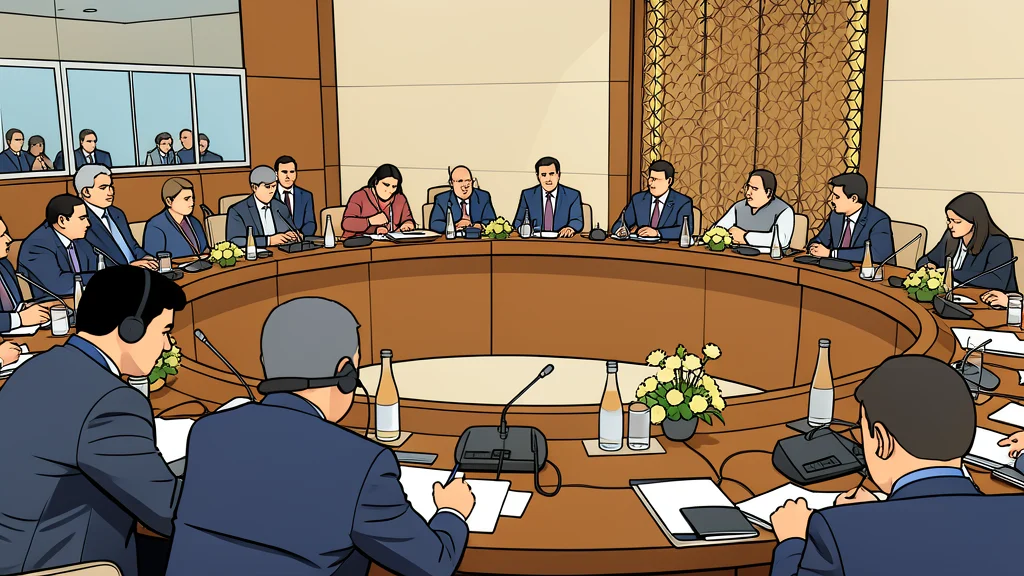
New Delhi has been transformed for the arrival of more than a dozen world leaders for the 18th annual BRICS summit. According to reports from Al Jazeera, the city is bracing for a high-security event as the bloc seeks to assert its relevance in a fragmented global order. The gathering is taking place against a backdrop of escalating tensions in the Middle East and prolonged conflict in Eastern Europe, creating a complex diplomatic landscape for the host nation.
The summit, which runs for two days, is viewed by many observers as a critical test of the group’s cohesion. While the bloc aims to position itself as a counterweight to Western-dominated economic alliances, it faces significant internal friction. Differences among member states regarding the war involving Iran and the ongoing conflict in Ukraine threaten to overshadow the scheduled discussions on trade and development.
Expanded membership reshapes the bloc
Since its inception, BRICS has evolved from a loose forum of five major emerging economies into a broader coalition. The group now includes eleven member states, representing nearly half of the world’s population and a significant portion of global GDP. Recent expansions have brought in nations from the Middle East and Africa, broadening the alliance’s geographic and political reach.
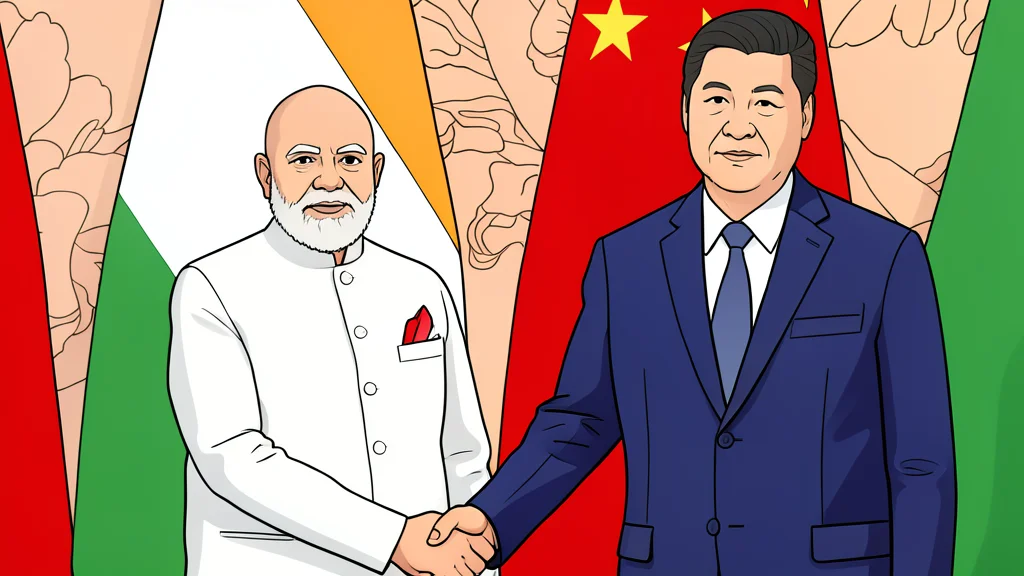
However, this growth has introduced new layers of complexity. According to the GN geopolitics/summit report, the diverse interests of these newer members often diverge from those of the original founding states. For instance, disagreements between India and China over border issues and differing stances on regional security in the Gulf have made consensus harder to achieve than in previous years.
Internal divisions threaten unity
The primary challenge facing the summit is the inability to present a unified front on major security issues. Member states have conflicting relationships with the parties involved in the ongoing wars in the region. While some members align with Russia, others maintain close ties with the United States or are directly affected by the spillover of regional conflicts. This lack of a common position risks diluting the bloc’s influence on the international stage.
Furthermore, economic disparities and varying development goals create friction in trade negotiations. The push to de-dollarize trade and establish alternative financial mechanisms faces resistance from nations that remain heavily dependent on Western financial systems. Balancing these competing interests is a delicate task for the Indian leadership, which must manage its relationships with both China and the West.
Looking ahead to global implications
The outcome of the summit will likely signal the future trajectory of the global multipolar order. If the leaders manage to produce a coherent statement on economic cooperation and security, it could strengthen the bloc’s position as a viable alternative to existing Western-led institutions. Conversely, a lack of substantive progress may expose the limits of the alliance in addressing complex geopolitical crises.
Analysts suggest that the coming days will be closely watched for any shifts in diplomatic stance, particularly regarding energy markets and regional security. The ability of BRICS to navigate its internal divisions will determine whether it remains a significant player in global governance or fades into a forum for symbolic dialogue. The world waits to see if unity can prevail over division.