Putin Advocates for Broader UN Security Council Representation
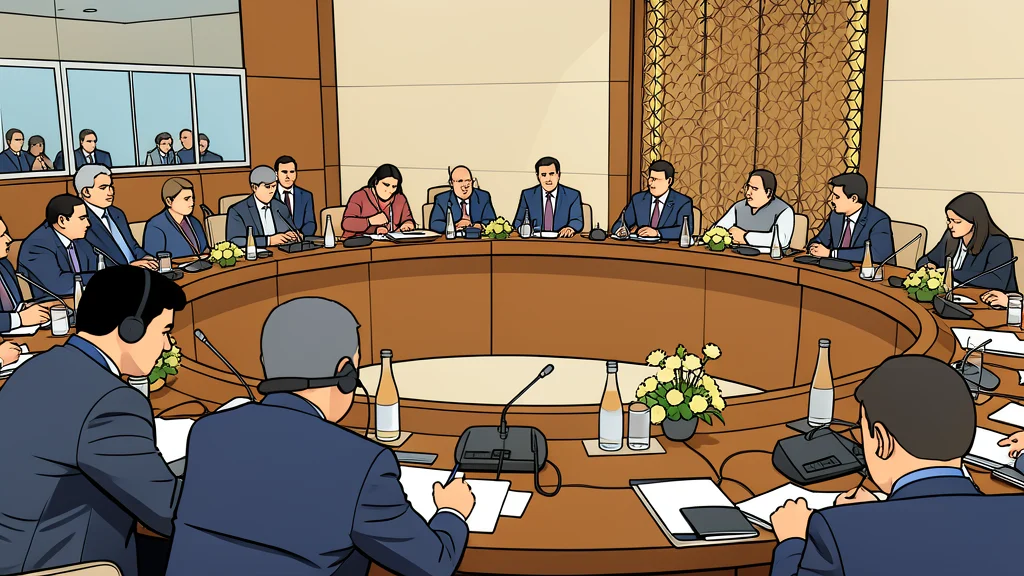
During the BRICS summit in New Delhi, Russian President Vladimir Putin urged for an expansion of the UN Security Council to better reflect the geopolitical weight of Asia, Africa, and Latin America.
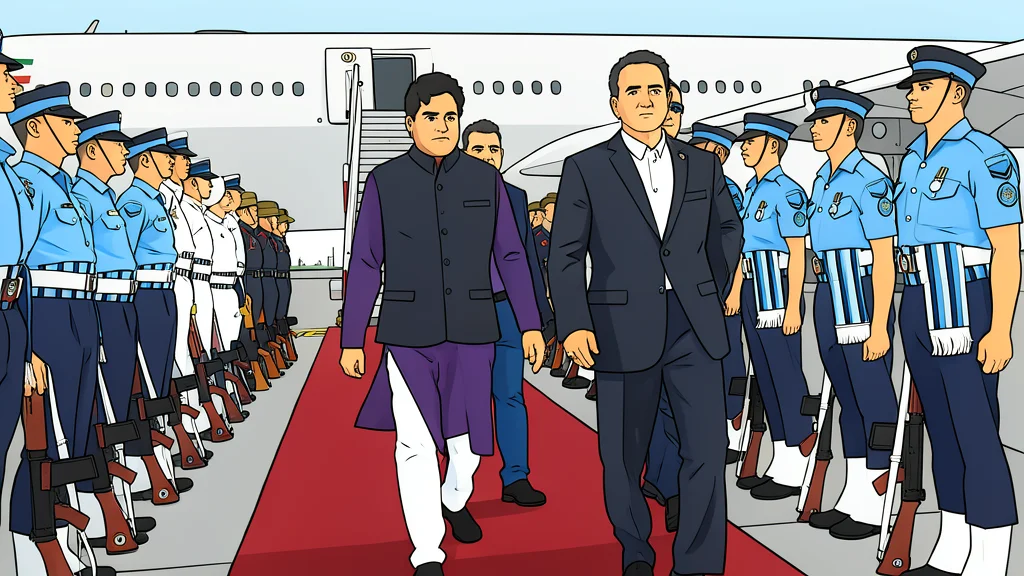
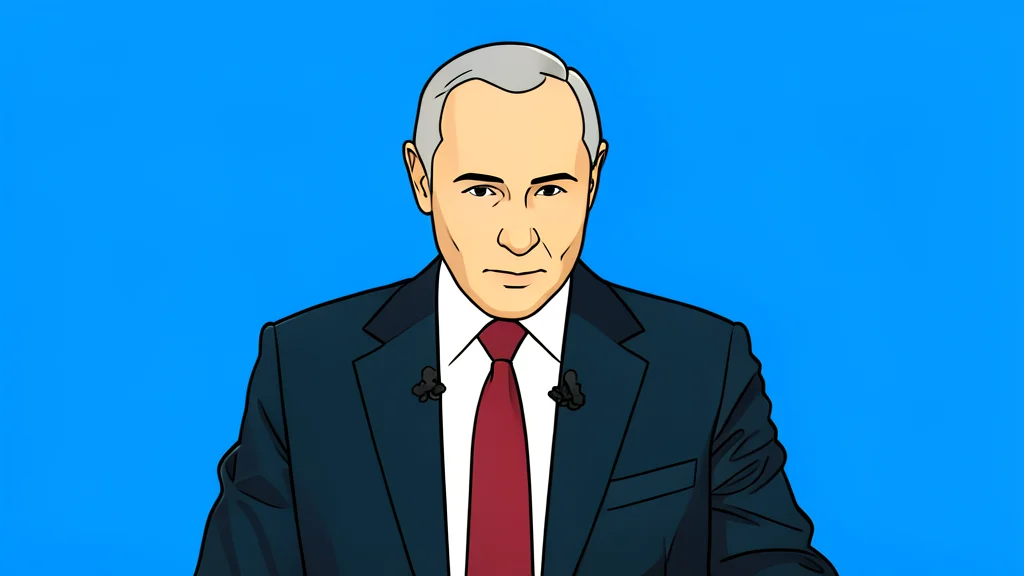
At the 18th BRICS summit held in New Delhi, Russian President Vladimir Putin articulated a call for structural reform within the United Nations. Speaking on September 12, Putin argued that the Security Council must increase its representation of states from Asia, Africa, and Latin America to align with current global realities. This statement, reported by Anadolu Agency citing a Kremlin transcript, underscores Moscow’s ongoing effort to position itself as a champion for non-Western interests in multilateral forums.
The Russian leader emphasized that preserving the UN’s central role in global affairs is a priority for Russia. He suggested that BRICS members should collaborate to enhance the organization’s effectiveness. By pushing for a larger council that includes more voices from the Global South, Putin framed the expansion as a necessary step toward a more balanced and representative international order.
Reform of Economic Institutions
Beyond the Security Council, Putin addressed the need for modernization within key financial bodies. He stated that the International Monetary Fund, the World Bank, and the World Trade Organization require improvements to adapt to contemporary political and economic conditions. According to Putin, these institutions face challenges in reflecting the current balance of power and should serve as effective platforms for dialogue among leading economies.
He urged BRICS nations to strengthen their coordination within these frameworks, highlighting the group’s intellectual and technological potential. The Russian president described BRICS as becoming a significant center of global governance, suggesting that collective action within existing international bodies could yield more substantial results than isolated efforts.
Challenges to Multilateral Governance
Putin characterized the formation of a multipolar world order as a difficult process. He alleged that certain states use tariff wars, sanctions, and force to contain their competitors, thereby undermining the stability of the international system. This perspective frames the push for UN reform as a countermeasure against what he described as coercive geopolitical strategies by established powers.
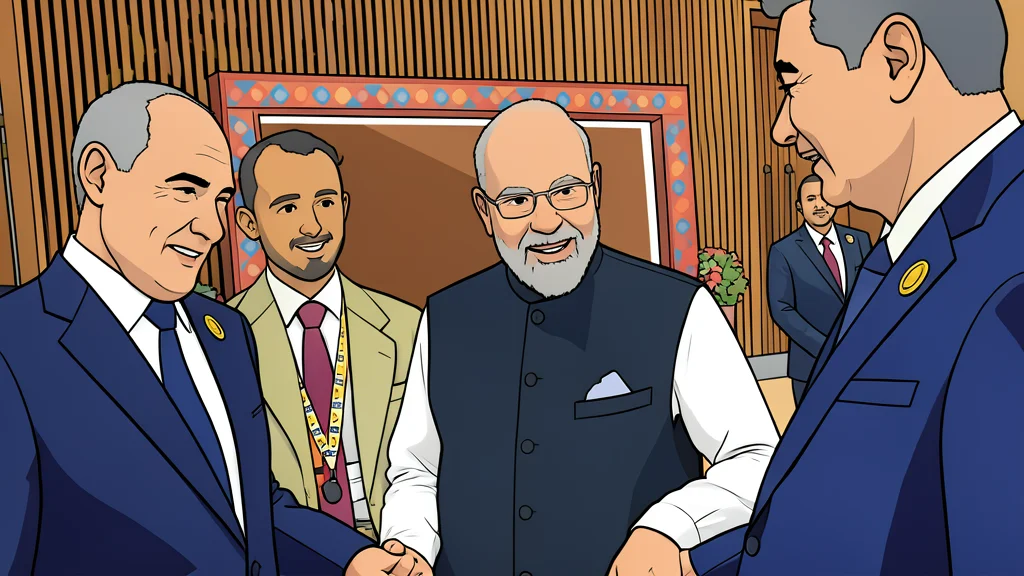
The remarks were part of a broader narrative presented at the summit, where BRICS leaders discussed their role in shaping future global institutions. Observers note that while calls for UN reform are not new, the specific emphasis on regional representation and the critique of Western-dominated economic bodies highlight the shifting dynamics in international diplomacy.
Diplomatic Implications for India
The summit’s location in India adds a layer of complexity to the diplomatic landscape. As a non-aligned major power, India hosts these discussions while maintaining its own distinct foreign policy priorities. The presence of such high-level discourse on institutional reform in New Delhi signals the growing influence of the Global South in shaping the agenda for international organizations, even as debates over specific reforms remain contentious.
As the BRICS group continues to expand its membership and influence, the pressure on the United Nations to adapt may intensify. The coming months will likely see further diplomatic maneuvering as various nations navigate the tension between preserving existing institutional frameworks and accommodating the demands for broader representation and reform. The outcome of these discussions could have significant implications for the future structure of global governance.