Canada Seeks Economic Security Through European Ties
Ottawa is pivoting toward Brussels as trade tensions with Washington escalate, raising questions about the future of middle-power coalitions.
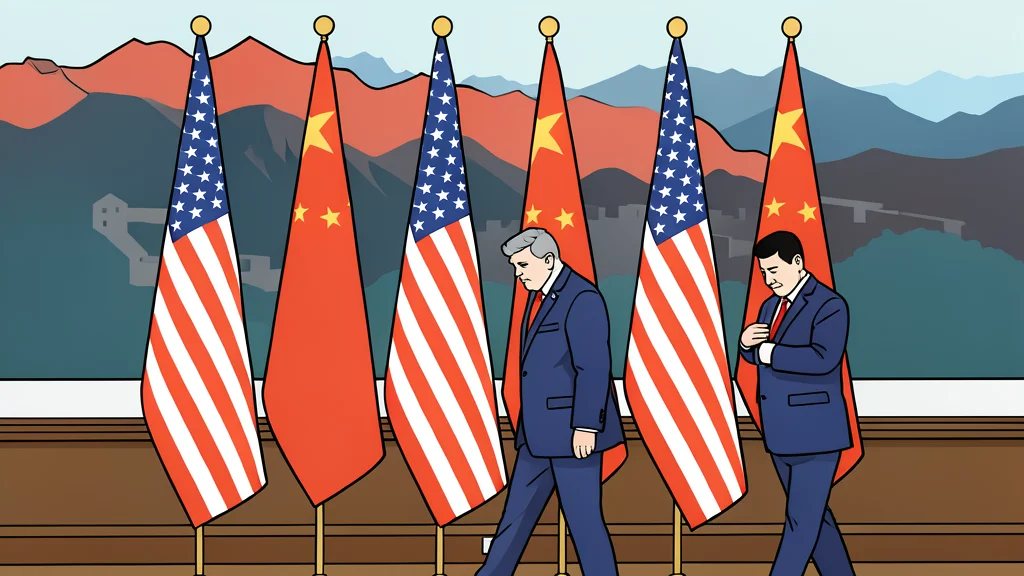
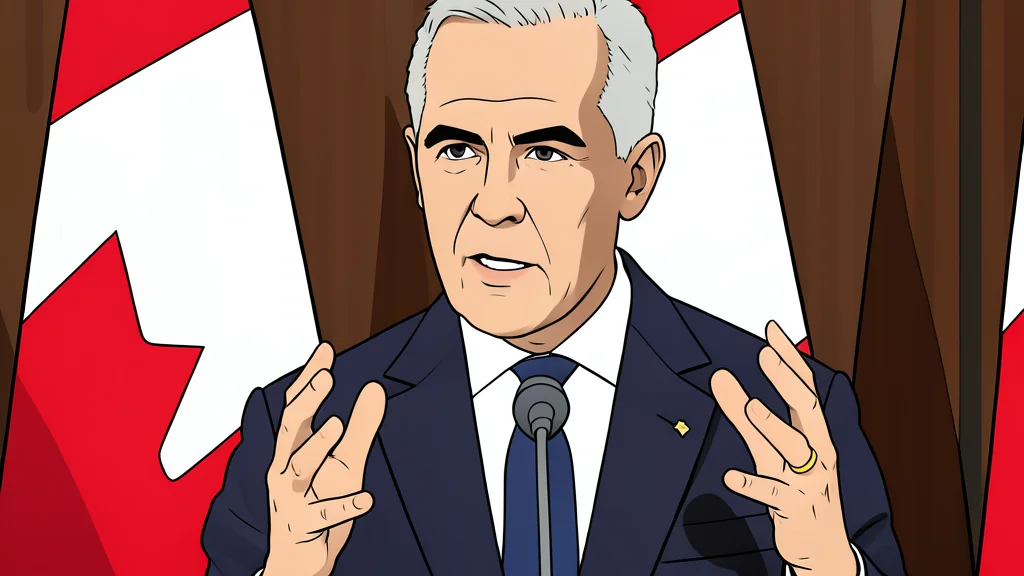
Prime Minister Mark Carney has articulated a strategic shift for Canada, prioritizing deeper integration with the European Union in response to escalating trade friction with the United States. According to Al Jazeera English, this move is driven by what Ottawa describes as coercive actions and tariff threats from Washington, which have prompted Canadian leadership to seek alternative markets and political allies to safeguard national sovereignty.
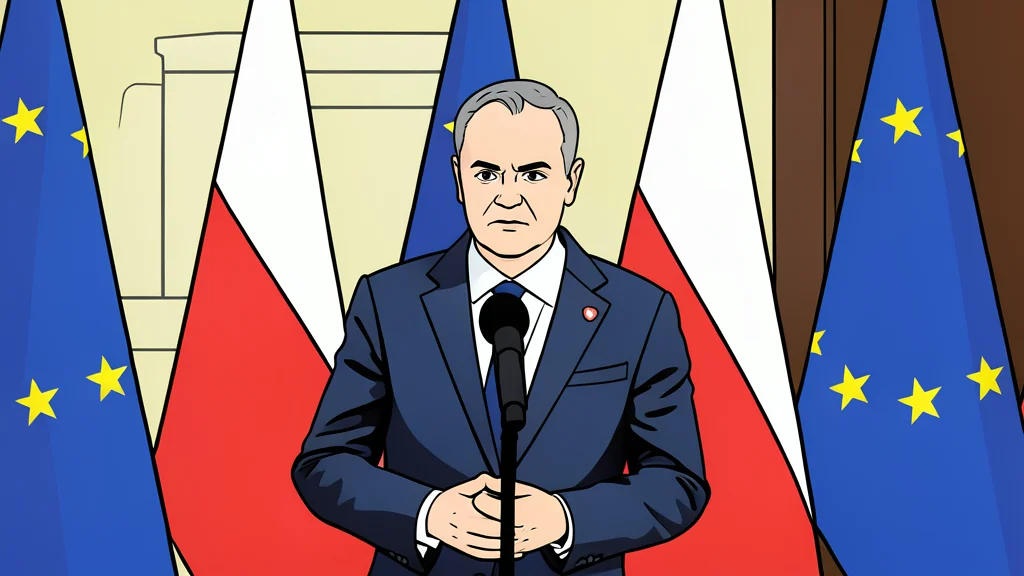
During an address to the European Parliament, Carney emphasized that closer ties with the bloc would serve as a bulwark against external control over Canadian markets. This diplomatic pivot follows earlier remarks at the World Economic Forum, where he urged other mid-sized economies to coordinate their responses to protect the rules-based international order from unilateral pressure by more powerful states.
Middle Powers Coordinate Strategies
The concept of "middle powers" acting as a unified front is gaining traction as a potential counterweight to great power dominance. Julian Karaguesian, a visiting lecturer at McGill University, suggests that coordinated action among nations like Canada, the EU, and others can mitigate the impact of coercive economic measures. This approach relies on collective bargaining power rather than isolated retaliation.
However, experts caution that achieving true unity among these nations remains challenging. Harry Broadman, a former assistant US trade representative, notes that while the rhetoric of solidarity is strong, the practical implementation of joint trade policies requires significant alignment on regulatory standards and political will, which has historically been difficult to maintain.
European Response to Canadian Initiative
In Brussels, the proposal for a formalized association with Canada has sparked debate among policymakers. Petros Fassoulas, Secretary General of the European Movement International, views the initiative as a positive step toward a more integrated global trading system. He argues that strengthening ties with reliable partners enhances the EU's own economic resilience in an increasingly fragmented world.
Conversely, some European officials remain wary of setting precedents that could complicate existing trade frameworks. The discussion around an "associate member" status highlights the delicate balance the EU must strike between welcoming new partnerships and maintaining the integrity of its single market rules.
Uncertain Path for Trade Alliances
The ultimate success of this coalition hinges on whether Canada’s retaliatory tariffs on the US serve as a viable blueprint for Europe. While the immediate reaction was defensive, the long-term strategy involves building institutional frameworks that can withstand future geopolitical shocks. Observers are watching closely to see if these middle powers can translate diplomatic intent into concrete economic agreements.
As negotiations continue, the forward question remains whether this alignment will solidify into a durable economic alliance or remain a temporary reaction to current tensions. The next several months will be critical in determining if the proposed cooperation can withstand the pressures of competing national interests and external interference.