India Hosts Expanded BRICS in New Delhi
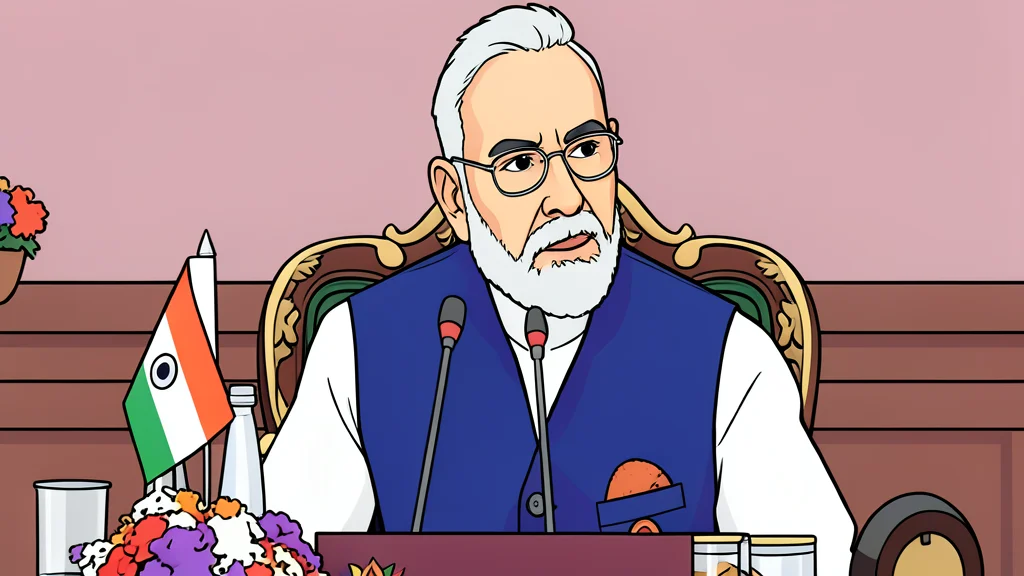
Prime Minister Narendra Modi concluded a series of bilateral engagements during the 2026 BRICS Summit in New Delhi, reinforcing diplomatic ties with key partners.
New Delhi — Indian Prime Minister Narendra Modi held a series of bilateral meetings on the final day of the 2026 BRICS Summit, marking a significant moment in India’s current presidency of the bloc. The discussions took place at the Bharat Mandapam venue and involved heads of state from Kazakhstan, Egypt, and the Philippines, according to reports from the GN auto geopolitics/global: international summit feed.
These engagements were framed as efforts to deepen economic and diplomatic cooperation, with specific attention given to trade, defense, and infrastructure. The summit concluded with the adoption of the New Delhi Declaration 2026, a comprehensive document that addresses global governance, climate change, and trade dynamics among the expanded membership.
Expanding the Global Bloc
The 2026 summit brought together an expanded group of eleven full members, including Brazil, Russia, China, South Africa, and new participants such as Egypt, Ethiopia, Indonesia, Iran, Saudi Arabia, and the United Arab Emirates. This broadened coalition now represents approximately 49.5 percent of the world’s population and nearly 40 percent of global GDP, according to official figures cited during the event.
During his address, Modi emphasized that the core pillars of India’s presidency are resilience, innovation, cooperation, and sustainability. He described the collective effort as a transformation of shared vision into a win-win collaboration, highlighting the bloc’s potential to influence global economic structures. South African President Cyril Ramaphosa praised India’s facilitation of these discussions, noting the successful management of diverse geopolitical interests within the forum.
Bilateral Priorities and Partnerships
Among the most notable interactions was the meeting between Modi and Philippine President Ferdinand R. Marcos Jr. The two leaders discussed the advancement of the India-Philippines Strategic Partnership, focusing on defense cooperation, trade expansion, and infrastructure development. Modi also acknowledged the Philippines’ role as the current chair of the Association of Southeast Asian Nations, underscoring the importance of regional stability.
Simultaneously, Indian External Affairs Minister S. Jaishankar engaged with various foreign diplomats to discuss regional and global developments. These parallel dialogues illustrate India’s active role in shaping international discourse, moving beyond multilateral plenaries to targeted bilateral agreements that address specific sectoral needs and strategic interests.
Domestic Reactions to Summit Choices
While the diplomatic outcomes were broadly positive, the summit also sparked domestic political debate in India. The decision to serve an all-vegetarian menu at the gala dinner became a point of contention among political parties. The Indian National Congress raised concerns regarding the dietary preferences of a large portion of the population, while the ruling Bharatiya Janata Party defended the choice as an embodiment of national values.
Forward Looking Implications
As the summit concludes, the primary focus shifts to the implementation of the New Delhi Declaration’s 140 points. Observers will watch how the expanded BRICS group navigates internal differences on trade and governance, particularly as the bloc aims to solidify its position in global financial institutions. The coming months will likely see increased diplomatic activity as member states work to translate the agreed-upon frameworks into concrete policy measures.