US House Prepares Vote on Sanctions Targeting Russian Arctic LNG Fleet
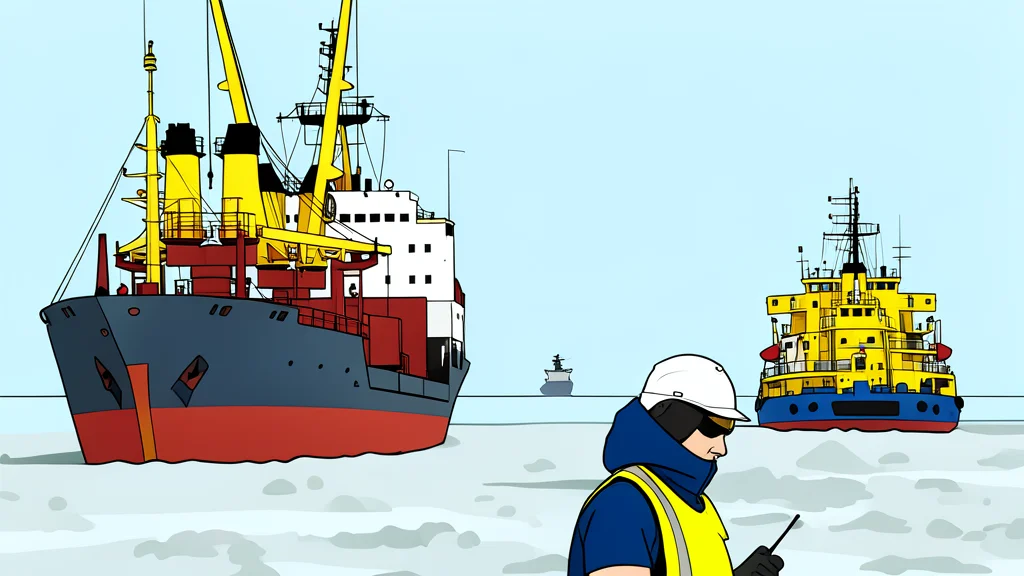
A pending US bill could empower Washington to sanction the specialized tankers that carry Russian liquefied natural gas, marking a significant step in economic pressure on Moscow's Arctic energy exports.
The United States House of Representatives is set to vote this week on legislation that would grant the administration broad authority to sanction vessels transporting Russian liquefied natural gas. According to the Kyiv Independent, the measure, which has already cleared the Senate, specifically targets the fourteen specialized icebreakers that support the Yamal LNG project on Russia’s Yamal Peninsula. If enacted, the bill would require the President to review these assets and determine which qualify for designation as blocked property within thirty days of enactment.
The timing of this legislative push coincides with broader European efforts to cut off imports of Russian energy. As Brussels prepares to implement a full ban on Russian LNG by January 2027, the United States is considering how to leverage its extraterritorial reach to reinforce these restrictions. Advocates argue that such measures provide a strategic tool to support security interests in the High North without the risks associated with direct military engagement, while simultaneously tightening the economic noose around Moscow’s energy sector.
Legislative Path and Presidential Authority
The Lindsey Graham Sanctioning Russia and Iran Act of 2026 passed the Senate with a substantial 86-11 margin in August and was advanced by the House Rules Committee on September 14. The current procedural step involves a floor vote in the House, where the bill is expected to receive favorable consideration. Unlike previous sanctions packages that may have relied on automatic designations, this legislation delegates the final decision to the executive branch. President Donald Trump will be tasked with identifying which of the targeted vessels meet the specific criteria for sanctions, offering the administration discretion in how it applies pressure to Russia’s shipping fleet.
Economic Impact on Arctic Exports
The targeted vessels are part of a critical logistical chain for one of Russia’s most profitable energy projects. The Yamal LNG facility accounts for more than sixty percent of the country’s total LNG exports, making it a vital source of revenue for the Kremlin. According to analysis cited by the Kyiv Independent, European ports received the vast majority of these cargoes in the first half of 2026, with 136 out of 140 shipments destined for the continent. These transactions were valued at an estimated 5.96 billion euros, underscoring the continued reliance of European markets on Russian gas despite ongoing political tensions and phased restrictions.
The proposed sanctions would extend beyond the tankers themselves, potentially affecting foreign port operators and owners that knowingly provide services to Russian sanctioned vessels. This broader scope aims to disrupt the entire supply chain, making it increasingly difficult for Russia to maintain its export capabilities. By targeting the specialized Arc7 tankers designed to navigate the harsh winter conditions of the Arctic, the US seeks to isolate a key asset that is difficult to replace, thereby amplifying the economic cost of the conflict for Moscow.
Strategic Implications for the High North
Supporters of the bill emphasize the strategic dimension of these sanctions, framing them as a method to assert Western influence in the Arctic without deploying troops. Alexander Kirk, a sanctions campaigner at the NGO Urgewald, noted that this approach allows Washington to support regional security interests while avoiding the direct military risks associated with a physical presence. The legislation represents a shift toward using financial and regulatory tools to contest Russian influence in the High North, a region of growing geopolitical importance due to new shipping routes and resource extraction opportunities.
As the House prepares to cast its vote, the outcome will signal the level of commitment by the US Congress to sustaining pressure on Russia’s energy sector. The forward question remains how quickly the administration will move to designate the vessels if the bill passes, and whether other nations will align their policies with these new US restrictions. The convergence of American legislative action and the impending EU ban suggests a coordinated tightening of global markets against Russian LNG, potentially reshaping the landscape of international energy trade in the Arctic region.