India Proposes BRICS Network for Seafarer Emergency Support

At the 18th BRICS Summit in New Delhi, Prime Minister Narendra Modi outlined a new framework for coordinating international assistance to maritime workers facing escalating regional risks.
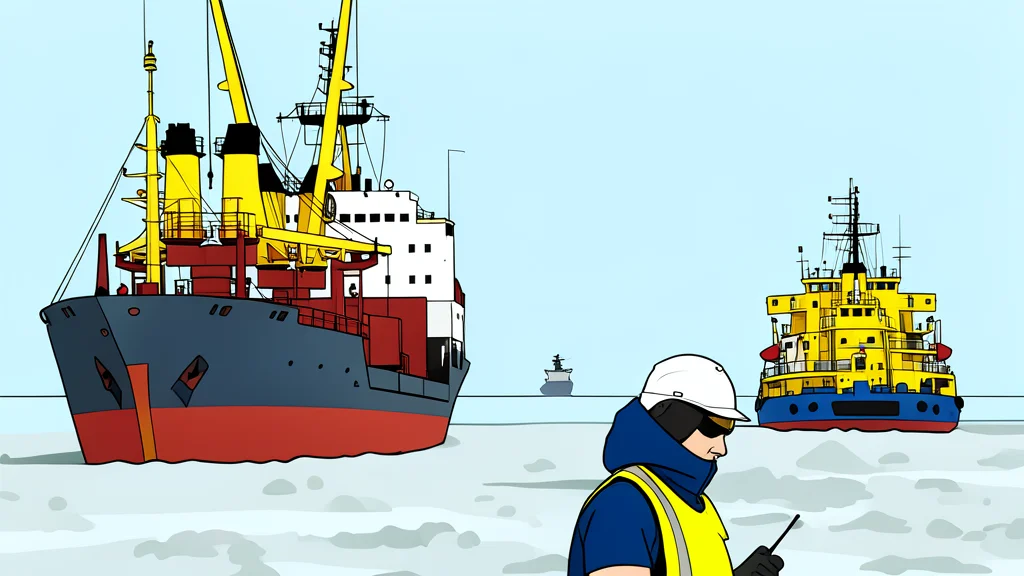
New Delhi has taken a significant step toward formalizing international maritime cooperation by proposing a dedicated emergency support mechanism for seafarers. Prime Minister Narendra Modi introduced the concept during the inaugural session of the 18th BRICS Summit, emphasizing that the safety of maritime personnel is a prerequisite for the stability of global trade. The proposal seeks to bridge gaps in current assistance structures, particularly in regions experiencing heightened geopolitical tension.
The initiative, reported by GN auto geopolitics/global: international summit, aims to connect maritime authorities and diplomatic missions of participating nations. This coordination would facilitate rapid responses to distress alerts, medical emergencies, and evacuation needs. By establishing a unified channel for communication and support, the network intends to reduce the isolation often felt by crews on commercial vessels operating in volatile waters.
Coordinated Response to Maritime Crises
According to the proposal, the network would serve as a central hub for sharing critical information among BRICS members. The system is designed to handle a spectrum of emergencies, from immediate medical aid to family communication and logistical evacuation. Such a mechanism addresses the vulnerability of seafarers who frequently operate in conflict zones without adequate local support, ensuring that their welfare remains a priority in international diplomatic frameworks.
The timing of this announcement coincides with a series of incidents affecting commercial shipping in West Asia. Recent attacks on vessels in the region have highlighted the urgent need for faster information sharing and coordinated emergency response. India, which maintains one of the largest maritime workforces globally, has a direct stake in improving these safety protocols to protect its nationals serving aboard merchant vessels worldwide.
Strategic Context of Maritime Security
Prime Minister Modi reinforced the importance of secure sea lanes during his address at the BRICS Business Forum, linking maritime safety directly to the progress of international commerce. He stressed that freedom of navigation and the well-being of crews are integral to maintaining open supply routes. This perspective was further explored during bilateral discussions with Iranian President Masoud Pezeshkian, where both leaders acknowledged the challenges posed by current regional developments to global trade stability.
The proposal aligns with India’s broader vision for its BRICS chairship, which prioritizes people-centric approaches and resilience in international cooperation. By focusing on the human element of maritime trade, the initiative seeks to transform high-level diplomatic consensus into practical, on-the-ground support systems. This approach reflects a growing recognition that geopolitical stability in shipping corridors depends not only on military security but also on robust humanitarian and logistical frameworks.
Implications for Global Trade Stability
The potential evolution of this proposal into a binding framework could set a precedent for international maritime cooperation. It offers a structured way for nations to coordinate their emergency response capabilities and diplomatic resources. As tensions in key shipping corridors persist, the effectiveness of such a network will be a critical factor in ensuring the continuity of global supply chains and the protection of maritime workers.
Observers will now watch how other BRICS members respond to this initiative and whether it gains traction in subsequent diplomatic negotiations. The success of the network will depend on the willingness of participating countries to share sensitive operational data and coordinate their maritime authorities. In the coming months, the practical implementation of these proposals will determine their impact on reducing risks for seafarers in high-threat environments.