India's BRICS Summit Prioritizes Multilateralism and Strategic Partnerships
New Delhi's hosting of the 18th BRICS Summit highlights a shift toward inclusive global governance, featuring extensive bilateral dialogues and a focus on strengthening multilateral frameworks.
The 18th BRICS Summit in New Delhi has concluded a three-day period of intensive diplomatic engagement, positioning India as a central node in evolving global alliances. According to reports from GN auto geopolitics/global: international summit, the event underscored a deliberate shift in diplomatic focus, moving beyond traditional economic blocs to address broader issues of inclusive governance and multilateral resilience. Prime Minister Narendra Modi’s schedule, which spanned from Friday to Sunday, reflected a strategy of maintaining broad-based connectivity while navigating complex geopolitical currents.
The summit’s agenda was designed to foster international collaboration through structured dialogue segments, including BRICS Plus outreach initiatives. By engaging with a diverse array of heads of state and international officials, India sought to reinforce its role as a bridge between different regions of the Global South. The proceedings emphasized practical cooperation on sustainability and innovation, aiming to create a more resilient framework for global growth that accommodates the interests of emerging economies.
Bilateral Priorities Across Continents
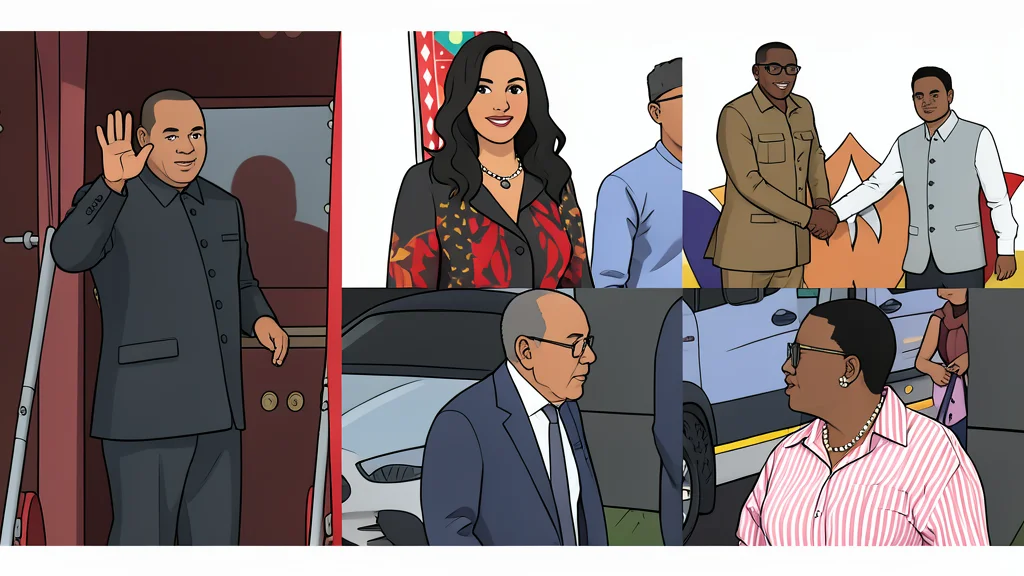
A significant portion of the summit was dedicated to high-level bilateral meetings that spanned multiple continents. According to official summaries, Modi’s engagements included critical discussions with Russian President Vladimir Putin, Iranian President Masoud Pezeshkian, and Chinese President Xi Jinping. These talks were noted for their depth, addressing strategic ties and regional stability. Additionally, meetings with leaders from Ethiopia, Malaysia, Abu Dhabi, Vietnam, Kazakhstan, the Philippines, and Egypt highlighted India’s commitment to strengthening partnerships across Africa, Asia, and the Middle East.
Inclusive Governance and Multilateralism
The core thematic sessions of the summit centered on the concept of inclusive global governance. In his address, the Indian Prime Minister outlined a vision for strengthening multilateral institutions to better reflect the realities of the 21st century. The discussions aimed to address gaps in current international frameworks, proposing mechanisms that prioritize equitable participation and shared responsibility. This focus aligns with broader trends seen in recent diplomatic forums, where the demand for reform in global institutions has become increasingly prominent.
Beyond formal debates, the summit incorporated symbolic activities intended to foster camaraderie among member states. Participants engaged in joint tree plantation activities and explored exhibitions focused on technological innovation, such as the 'Bharat Innovates' showcase. These elements of the program were designed to reinforce the human dimension of diplomatic relations, creating informal spaces for leaders to build personal rapport alongside their official counterparts. The presence of UN Secretary-General António Guterres further signaled the summit’s alignment with broader international community goals.
Forward-Looking Diplomatic Trajectory
As delegations depart New Delhi, the immediate focus shifts to the implementation of commitments made during the sessions. The coming months will likely see increased bilateral cooperation in trade, technology, and security, particularly between India and its Asian and African partners. Observers will watch for how these agreements translate into concrete policy actions and whether they can withstand the pressures of ongoing geopolitical tensions. The summit has set a stage for continued dialogue, but the durability of these new partnerships will depend on consistent follow-through and mutual benefit.