Putin’s Shifting Stance on Nuclear Taboos Amidst War Fatigue
Analysts suggest that domestic political pressures and battlefield realities may be reshaping the Kremlin’s approach to nuclear deterrence, challenging previous assumptions about strategic restraint.
A prevailing narrative in Western discourse posits that Vladimir Putin’s strategic position has significantly eroded in recent months, suggesting a diminishing capacity to sustain military operations in Ukraine. However, a detailed assessment of the current conflict dynamics indicates a more complex reality where the Kremlin maintains substantial leverage in both physical combat and long-range infrastructure strikes. While the information war in Western media spheres remains a point of contention for Moscow, the physical dimensions of the conflict continue to unfold with significant intensity on the ground.
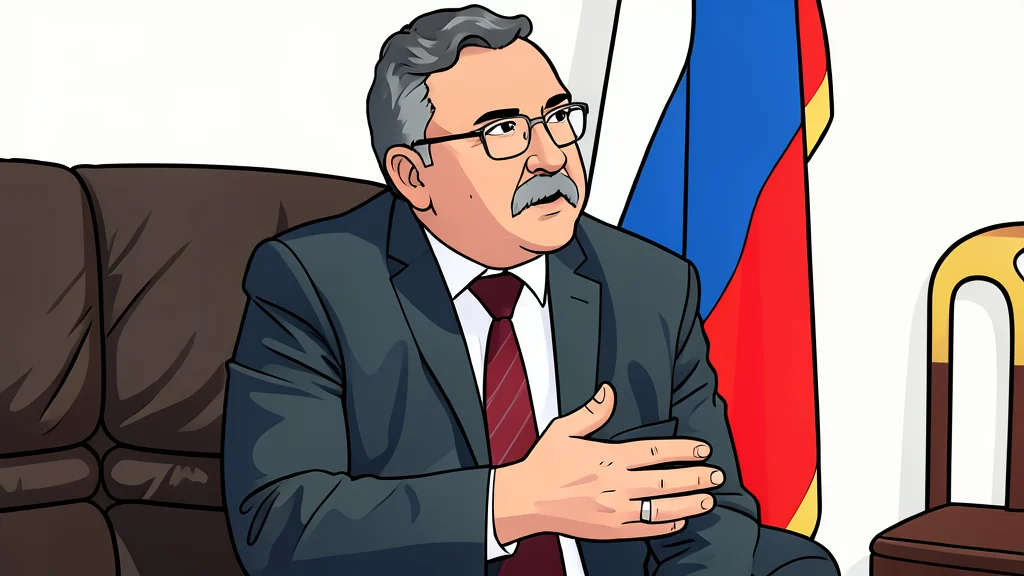
According to reporting from GN geopolitics/nuclear (en-US), the Russian leadership appears to be operating with a high degree of situational awareness, relying on cross-referenced intelligence from multiple security agencies rather than a single source. This careful scrutiny of data, which includes direct communications with military officers, suggests that Putin’s decision-making process is grounded in a comprehensive, albeit contested, view of the battlefield, complicating assumptions about internal disarray or lack of control within the command structure.
Domestic Opinion Shapes Strategic Restraint
Public sentiment in Russia is increasingly influencing the trajectory of the conflict, with recent polling data revealing a shift in attitudes toward peace negotiations. While support for the military campaign remains high, the proportion of citizens favoring a cessation of hostilities has declined, with a significant majority believing that the fighting will persist for more than a year. This demographic trend suggests that political pressure is not necessarily pushing for de-escalation but may instead be encouraging a more aggressive posture to achieve decisive results before domestic frustration reaches a critical threshold.
Notably, a substantial segment of the Russian population views the use of nuclear weapons as a permissible option, a sentiment that stands in stark contrast to the international norm of nuclear taboo. This internal acceptance of nuclear escalation provides the leadership with a wider range of strategic options, reducing the domestic political cost of considering such measures. As economic pressures mount and approval ratings slowly decline, the Kremlin’s calculus may be increasingly shaped by the need to demonstrate strength and control over the pace of the war.
Intelligence Accuracy and Battlefield Realities
The accuracy of intelligence reports reaching the highest levels of government is a critical factor in assessing the likelihood of extreme measures. Recent diplomatic efforts, including high-level communications from the United States, have focused on conveying the true state of military operations to Moscow. In response, Russian officials have emphasized the objectivity of their intelligence gathering, claiming that the picture emerging from various command bodies is sufficiently reliable to guide strategic decisions. This assertion underscores a confidence in their internal assessment mechanisms that persists despite the fog of war and ongoing information warfare.
As the conflict enters a new phase, the interplay between military exhaustion, economic strain, and domestic political dynamics will determine the next moves. The potential for escalation, including the consideration of nuclear options, is not a hypothetical scenario but a variable that is increasingly being weighed within the Kremlin’s strategic planning. Observers must remain vigilant to subtle shifts in rhetoric and military posturing that may signal a departure from previous patterns of restraint, particularly as the winter season concludes and resource constraints become more acute.