US Space Weapon Acknowledgment Raises Security Concerns
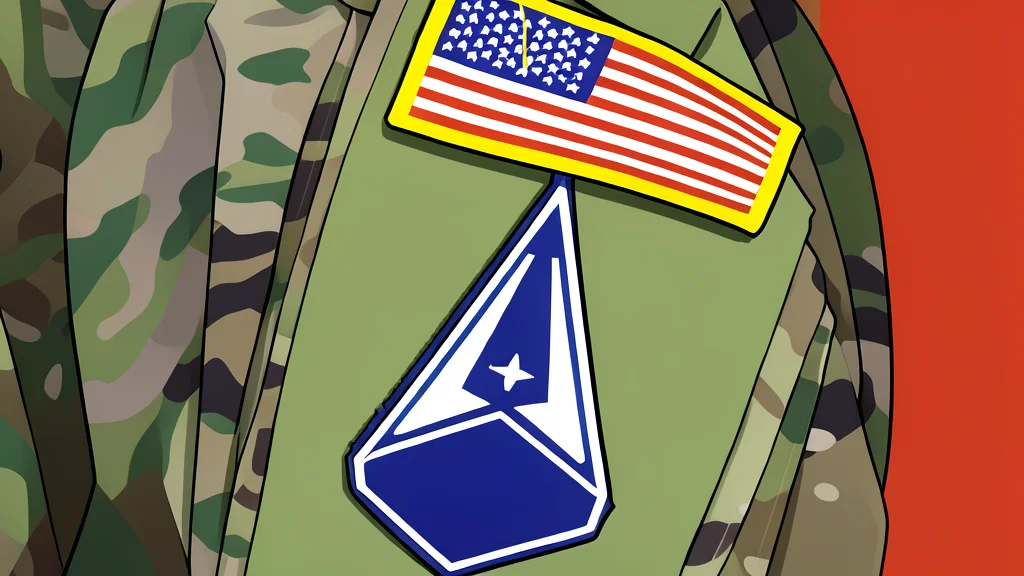
The US Air Force has publicly confirmed the deployment of on-orbit space control weapons, a move described by analysts as breaking a long-standing taboo and potentially destabilizing the strategic balance between major powers.
Troy Meink, the US Air Force Secretary, provided the first official acknowledgment that the Pentagon maintains weapons capable of operating in space. According to a statement from the US Air Force, these systems are designed to defend joint forces against hostile actions, marking a significant shift in transparency regarding orbital military capabilities. This admission has immediately drawn attention from international security experts who view it as a critical turning point.
The confirmation comes at a sensitive time, just days before Chinese President Xi Jinping is scheduled to make his first state visit to the United States in over a decade. The timing has intensified calls for bilateral dialogue on space security, with observers noting that the lack of established norms in this domain creates significant risks for misinterpretation and escalation.
Beijing Experts Warn of Strategic Danger
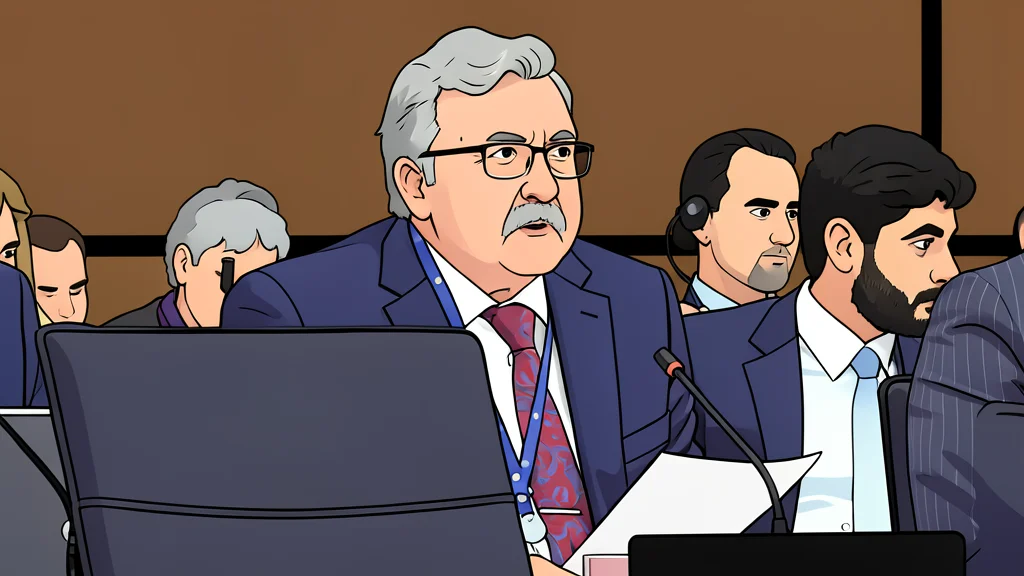
Speaking at the Xiangshan Forum in Beijing, defense experts from various nations warned that the US move has shattered a long-held taboo in international relations. They described the current situation as a breaking point in history, arguing that the absence of clear rules governing space warfare could easily trigger a new and uncontrollable arms race. The forum highlighted the urgent need for communication channels to prevent accidental conflict.
According to reports from the South China Morning Post, participants urged both Washington and Beijing to engage in serious discussions about space security protocols. They emphasized that while the US cites defensive readiness as its motivation, other nations perceive these capabilities as offensive threats. This divergence in perception underscores the difficulty of establishing trust in a domain where verification is technically challenging and politically sensitive.
Diplomatic Context and Rising Tensions
The revelation by Air Force Secretary Meink adds a new layer of complexity to the upcoming diplomatic engagement between the US and China. While the two nations have historically avoided direct confrontation in space, the explicit mention of on-orbit control weapons changes the strategic calculation. Analysts suggest that this transparency, intended to signal readiness, may instead be interpreted as a provocation, complicating efforts to stabilize the relationship.
The broader geopolitical landscape is increasingly affected by the militarization of space. As more nations invest in satellite technologies and counter-space measures, the risk of a cascade of retaliatory actions grows. The US position, as stated by its officials, remains focused on deterrence and defense, yet the international community remains divided on the definition and deployment of such weapons.
Future Implications for Global Security
The coming weeks will be crucial in determining whether this acknowledgment leads to constructive dialogue or further isolation. The upcoming state visit offers a rare opportunity to address these concerns directly, though the depth of disagreement suggests that progress will be slow. Observers will closely monitor whether any formal frameworks for space security emerge from these talks.
As the world watches this development, the focus remains on the potential for a new arms race that could reshape global security dynamics. The absence of a comprehensive treaty governing weapons in space leaves a vacuum that is now being filled by unilateral capabilities and rhetoric. The next steps will likely hinge on the willingness of major powers to prioritize stability over strategic advantage in this emerging domain.