UN Chief Outlines Path Forward Amid Global Divisions
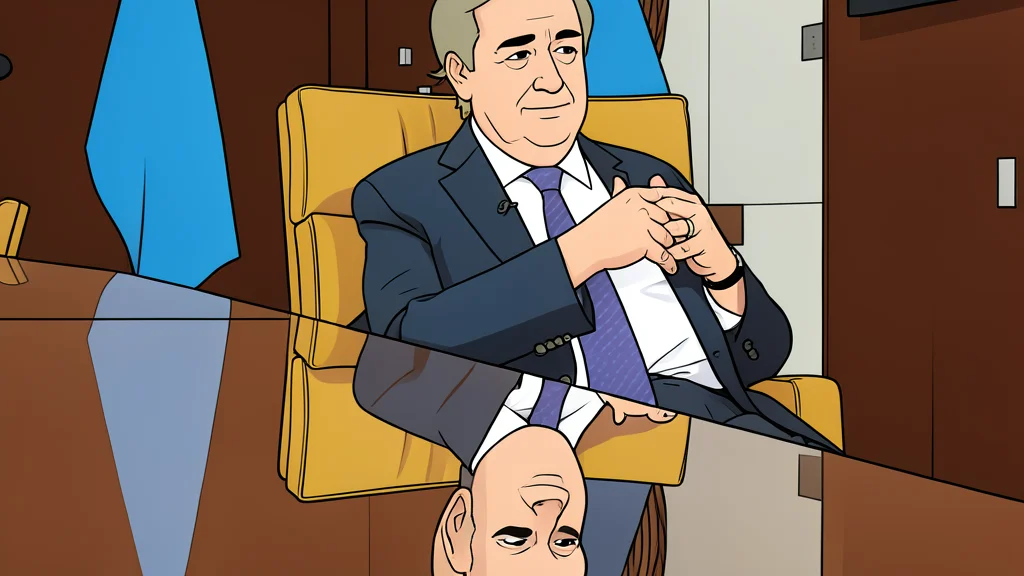
Outgoing Secretary-General António Guterres urges world leaders to address existential threats like AI, climate, and inequality before the end of his tenure.
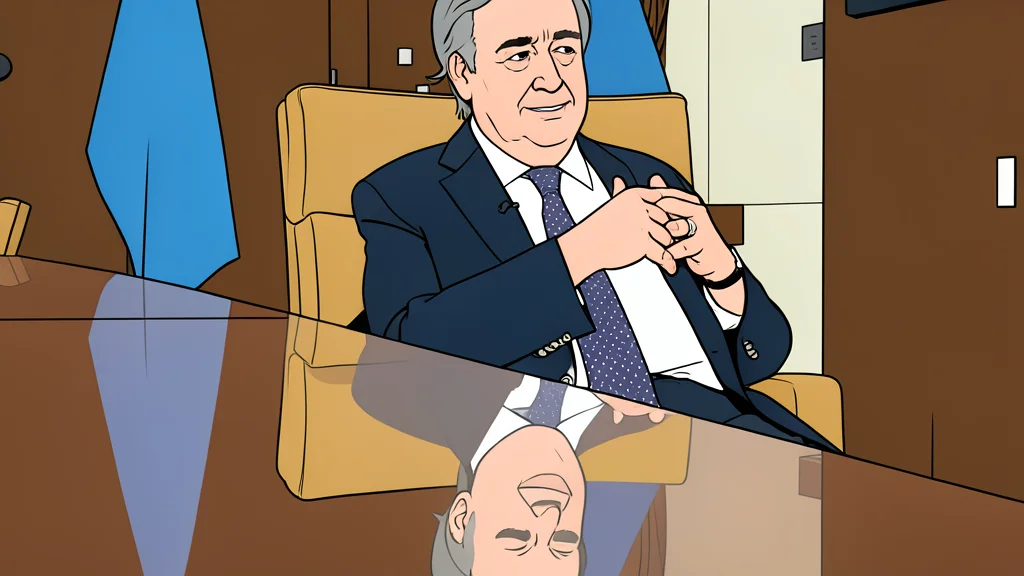
As his nearly decade-long tenure at the United Nations draws to a close, Secretary-General António Guterres has issued a stark assessment of the global landscape. According to an interview reported by GN geopolitics/un, the international body is currently paralyzed in its ability to resolve major conflicts, yet the outgoing chief argues that a viable path forward exists if member states commit to renewed cooperation.
Guterres identifies three critical existential challenges that require immediate international attention: the rapid advancement of artificial intelligence, accelerating climate change, and widening economic inequality. He warns that these issues are not isolated problems but interconnected drivers of instability that no single nation can address alone. His message to the 193 member nations is direct, emphasizing that inaction will only deepen the geopolitical fractures currently dividing the world.
Security Council Paralysis Deepens
A central concern for the Secretary-General is the dysfunction within the UN Security Council, where veto power has frequently blocked decisive action. He points to the ongoing conflict in Ukraine and tensions in the Middle East as examples of how powerful nations can act with a sense of impunity when international law is disregarded. This environment, he argues, encourages other states to flout agreements, believing that powerful actors face no consequences for violating the UN Charter.
The consequences of this geopolitical standoff are tangible, with global food and energy prices rising and interest rates climbing. Developing nations, in particular, are struggling to manage the economic fallout, creating a cycle of instability that further complicates diplomatic efforts. Guterres notes that the UN lacks the military or financial leverage to force compliance, leaving it to rely on moral authority and the convening power of its assembly.
Institutional Reform Remains Essential
To restore credibility and effectiveness, Guterres advocates for significant reforms to the institutions established after World War II. He argues that the Security Council, the International Monetary Fund, and the World Bank must be restructured to reflect the realities of the 21st century. This includes acknowledging the growing influence of emerging economies and ensuring their voices are adequately represented in global decision-making processes.
Leaders Face Critical Choice
With the General Assembly convening shortly, the focus shifts to whether leaders will heed these warnings. The Secretary-General’s final push is to frame the coming years as a period of opportunity rather than inevitable decline. The forward question is whether the international community can transcend its divisions to tackle these shared threats, or if the current trajectory of fragmentation will persist beyond his departure.