UN Chief Outlines Path Forward Amid Global Divisions
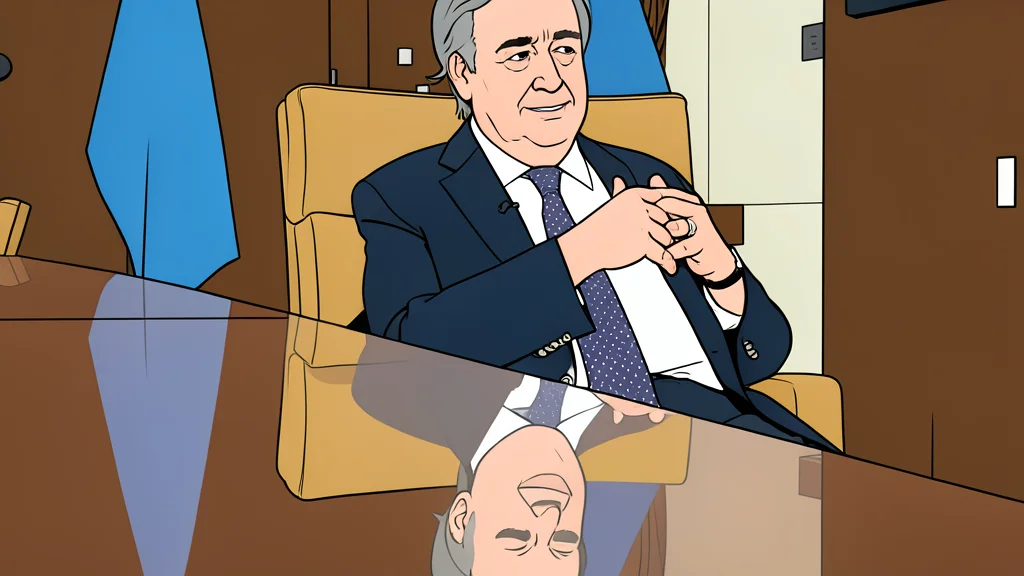
Outgoing UN Secretary-General António Guterres urges world leaders to address existential threats including AI and climate change, warning that current geopolitical paralysis fosters a culture of impunity in international law.
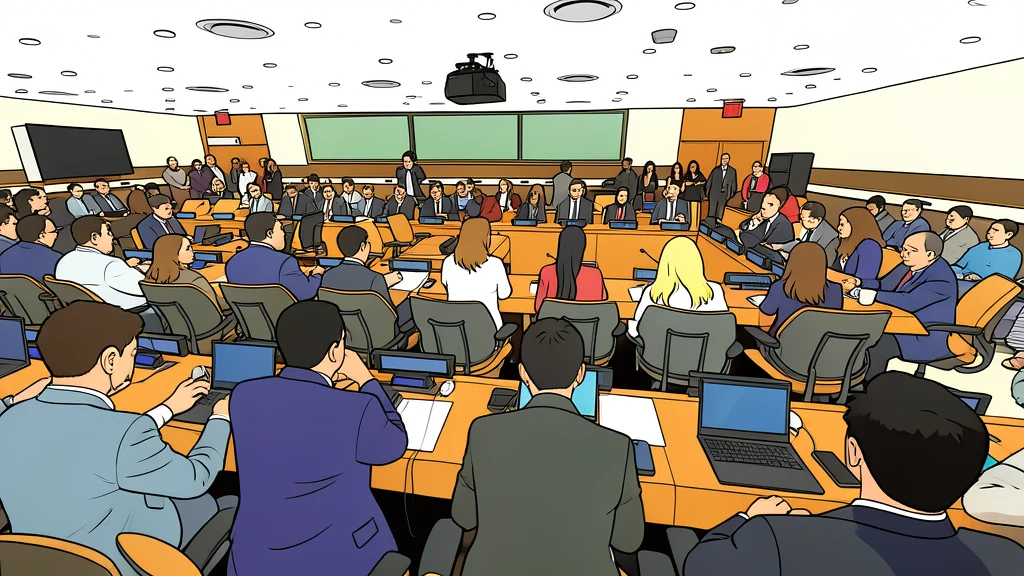
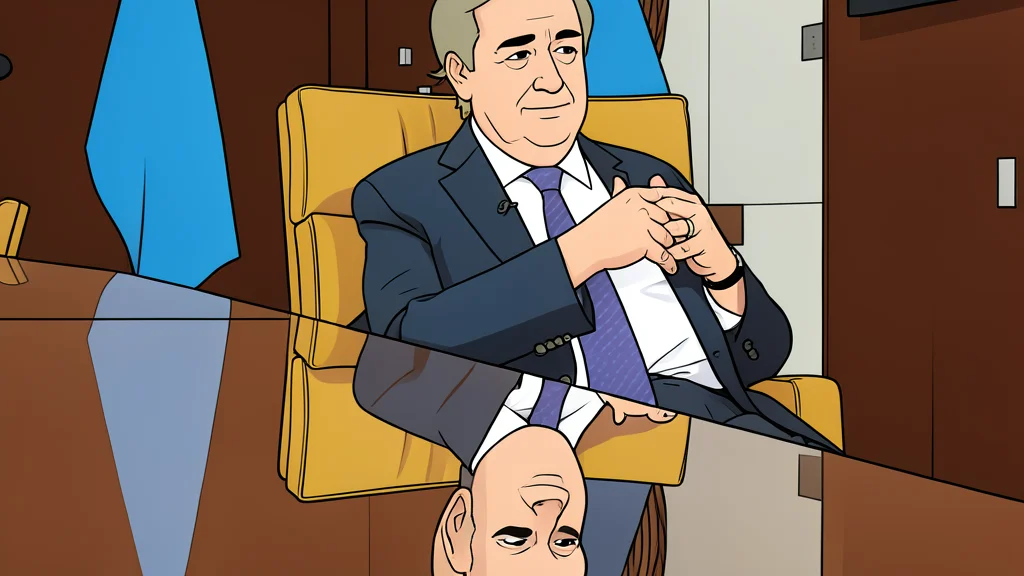
As António Guterres prepares to conclude nearly a decade as United Nations Secretary-General, he is issuing a stark assessment of the global order. In a recent interview with The Associated Press, the outgoing chief acknowledged that the world is deeply divided and that the UN Security Council remains largely paralyzed when it comes to resolving major conflicts. However, Guterres insists that a viable path forward exists, contingent upon a renewed commitment to international cooperation from member states.
The Secretary-General’s message to the 193 member nations ahead of the General Assembly is direct: the international community faces at least three existential challenges. These include the rapid advancement of artificial intelligence, accelerating climate change, and a widening gap in inequality that is increasingly driving instability. According to Guterres, these issues cannot be solved in isolation and require a collective response that transcends current political fractures.
Paralysis Fosters Global Impunity
A central concern raised by the UN chief is the erosion of respect for international law. Guterres warns that the geopolitical divide and the inability of the Security Council to act have created an environment of impunity. He cites the invasion of Ukraine by Russia and the United States' actions regarding Iran as examples of powerful nations flouting the UN Charter. This behavior, he argues, sets a dangerous precedent that encourages other states to disregard global norms.
According to the Secretary-General, this trend of lawlessness has resulted in significant destruction and economic disruption. The combined impact of the conflict in Ukraine and the broader Middle East crisis is driving up food and energy prices while raising interest rates. Developing nations are particularly vulnerable, facing immense difficulties in meeting the basic needs of their populations amidst this global economic strain.
Institutional Reform Is Essential
Guterres argues that the existing global architecture, established by the victorious powers of World War II, no longer reflects the realities of the twenty-first century. He calls for comprehensive reforms to the United Nations, particularly the Security Council, as well as major financial institutions like the International Monetary Fund and the World Bank. These bodies must be overhauled to accurately represent the influence of emerging economies and new global powers.
Despite the constraints of his role, which lacks military force or significant budgetary leverage, the Secretary-General emphasizes two key powers: the ability to speak out on global issues and the capacity to convene nations. He has maintained a firm stance in defending territorial integrity and the UN Charter, while also condemning severe violations of human rights in the ongoing conflicts in the Middle East.
Watching for Diplomatic Momentum
As the annual General Assembly convenes, the focus will be on whether member states are willing to act on the Secretary-General’s call for cooperation. The coming weeks will reveal if there is political will to address the existential threats of AI and climate change. Analysts will be watching for any signs of movement toward institutional reform or a reduction in the geopolitical paralysis that has defined the current UN session.