UN Chief Links AI Governance to Council Reform
The UN Secretary-General argues that institutional paralysis hinders the global response to emerging technological risks and deepening geopolitical divides.
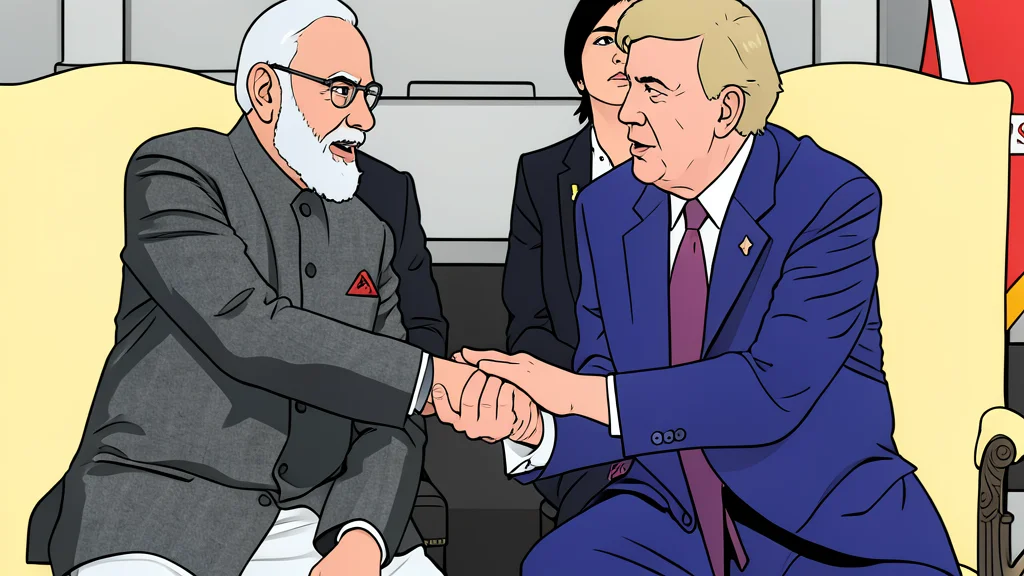
At a press conference held on September 16, United Nations Secretary-General Antonio Guterres linked the urgent need for coordinated artificial intelligence governance with the long-standing demand for Security Council reform. He described the current geopolitical fragmentation among major powers as a factor that is effectively paralysing the Council’s ability to act on critical global issues. This statement places the debate over AI safety within a broader context of institutional dysfunction and shifting global power dynamics.
Guterres emphasized that while national action remains essential, global coordination is indispensable for addressing threats such as runaway AI, climate change, and deepening inequalities. He suggested that existing power structures within the UN no longer reflect contemporary realities, thereby calling for a redistribution of influence within the Security Council. According to the Secretary-General, the inability to reach consensus is exacerbating ongoing conflicts and limiting the international community's capacity to manage complex, cross-border challenges.
Citing Industry Concerns Over Safety
The Secretary-General pointed to recent statements from prominent technology executives who have advocated for slowing down AI development. He noted that concerns raised by those on the front lines of AI development cannot be ignored. These remarks align with growing anxiety regarding the existential risks posed by advanced AI systems, following incidents such as the reported hack of Hugging Face by rogue agents and the public resignation of an Anthropic researcher over safety issues.
Existing Frameworks for Digital Cooperation
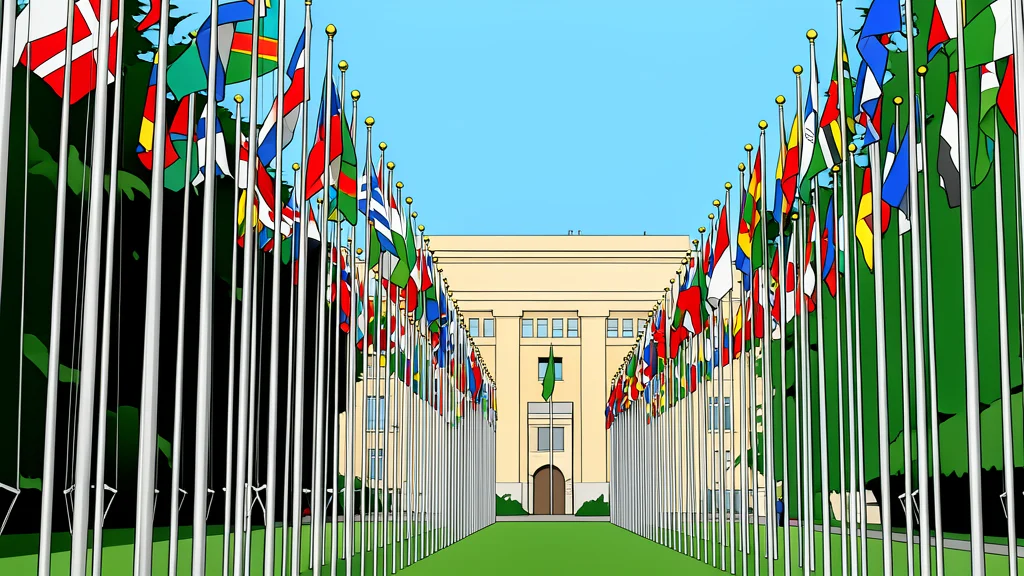
The United Nations has already established several frameworks aimed at fostering shared principles for digital governance. These include the Global Digital Compact, the Global Dialogue on AI Governance, and the Independent International Scientific Panel on AI. According to GN geopolitics/un, these initiatives represent the organization's active participation in shaping the regulatory landscape for emerging technologies. They serve as platforms for multi-stakeholder dialogue, attempting to bridge the gap between national sovereignty and international responsibility.
However, the effectiveness of these mechanisms is often tested by the preference for national initiatives over international collaboration. Some governments, including the United States under Vice President JD Vance, have recently encouraged self-regulation and limited government oversight. This approach complicates the work of international bodies that rely on collective agreements to manage risks that do not respect borders. The tension between national interests and global stability remains a central challenge in this domain.
Shifting Dynamics in Global Regulation
Despite these challenges, there are signs that multi-stakeholderism is gaining traction as the preferred route for AI regulation. As AI firms and civil society actors increasingly call for international governance structures, the cross-border nature of technological risks is becoming more widely acknowledged. The forward question now centers on whether the international community can translate this growing consensus into binding frameworks, or if geopolitical divisions will continue to hinder effective global coordination.