South Korea Weighs Risks of Hormuz Deployment
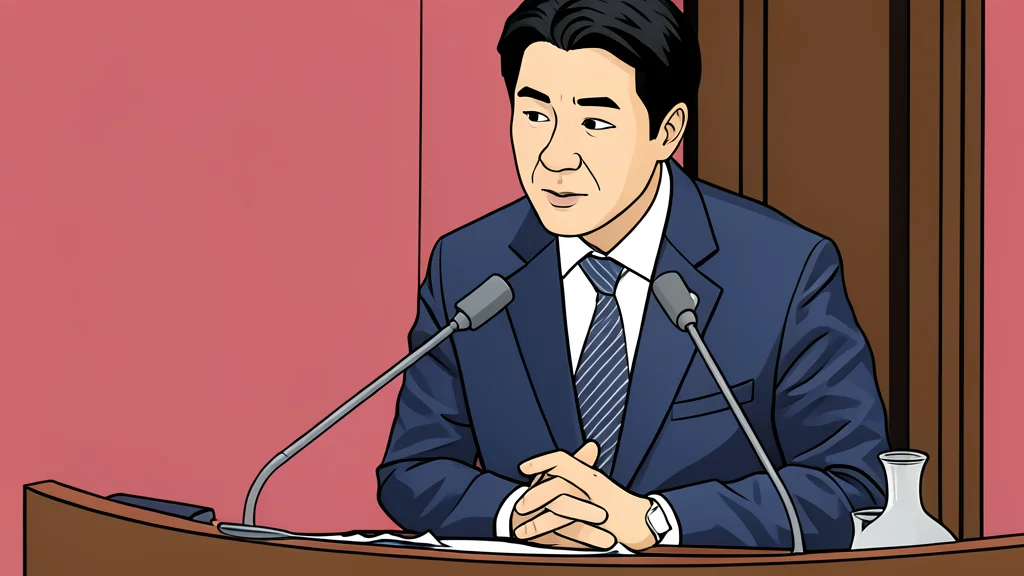
A prominent opposition lawmaker has cautioned that sending troops to the Strait of Hormuz could expose South Korea to direct retaliation, challenging the government's strategic calculus in the escalating regional conflict.
South Korean political debate over potential military involvement in the Middle East has intensified following warnings from a senior opposition figure. Lee Ki-heon, a member of the National Assembly’s Foreign Affairs and Unification Committee, argued on Friday that deploying forces to the Strait of Hormuz would not serve the national interest. Instead, he warned, such a move could transform South Korea into a direct target of Iranian attacks, a risk he believes outweighs any potential diplomatic gains with Washington.
The remarks, delivered during a broadcast on KBS Radio, highlight growing internal friction over how Seoul should respond to US calls for regional security support. According to the lawmaker, South Korea would be the first nation to join a conflict that the international community has characterized as a war of aggression. He emphasized that while other countries have declined US requests to participate, a unilateral deployment by Seoul would isolate the country and invite immediate military countermeasures.
Energy security and supply chain risks
Beyond the immediate military threats, Lee cited the vulnerability of South Korea’s energy infrastructure as a primary concern. The Middle East provides approximately 70 percent of the country’s crude oil, making the stability of shipping lanes critical to the domestic economy. He warned that military engagement could lead to the blockage of these supply routes, creating a severe economic crisis that would far outweigh the benefits of political alignment with the United States.
The lawmaker also addressed the safety of South Korean nationals and maritime assets. He argued that by becoming a belligerent party, Seoul would lose the ability to guarantee the safety of its citizens in the region. Furthermore, he suggested that deploying troops could paradoxically increase the threat to South Korean vessels and sailors, as Iranian forces might view them as legitimate military targets rather than neutral commercial traffic.
Criticism of diplomatic leverage strategy
Lee rejected the argument that troop deployment could serve as leverage for economic concessions in trade negotiations with Washington. According to the lawmaker, the United States maintains a strict separation between its political, security, and economic interests. He characterized the idea that military support would yield economic benefits as naive, asserting that the US would not compromise its core interests regardless of Seoul’s military contributions.
The opposition figure also scrutinized the recent dispatch of a Ministry of National Defense survey team to the region. While officials have stated that this fact-finding mission is not a precondition for deployment, Lee expressed skepticism about this explanation. He warned against allowing such moves to be perceived as precursors to a full-scale military commitment, urging caution in how the government frames these diplomatic and military steps.
Institutional checks and national security
Looking ahead, Lee placed the responsibility for a final decision on the National Security Council (NSC). He expressed confidence that the NSC would make a reasonable judgment that avoids placing overseas nationals in immediate danger. The lawmaker stated his expectation that no deployment order will be issued that would require the National Assembly to ratify a potentially dangerous military commitment. This stance reflects a broader trend of opposition scrutiny on executive defense decisions.
The situation underscores the delicate balance South Korea must maintain between its alliance with the United States and its own security interests in a volatile region. As noted in the GN auto geopolitics/asia-pacific: Korea Strait coverage, the debate is not merely political but deeply consequential for the country’s economic stability and the safety of its citizens abroad. The forward question now is whether the government will prioritize diplomatic neutrality or follow US pressure, a decision that could reshape regional dynamics.