Nine Nations Gather in Subic Bay for South China Sea Exercise
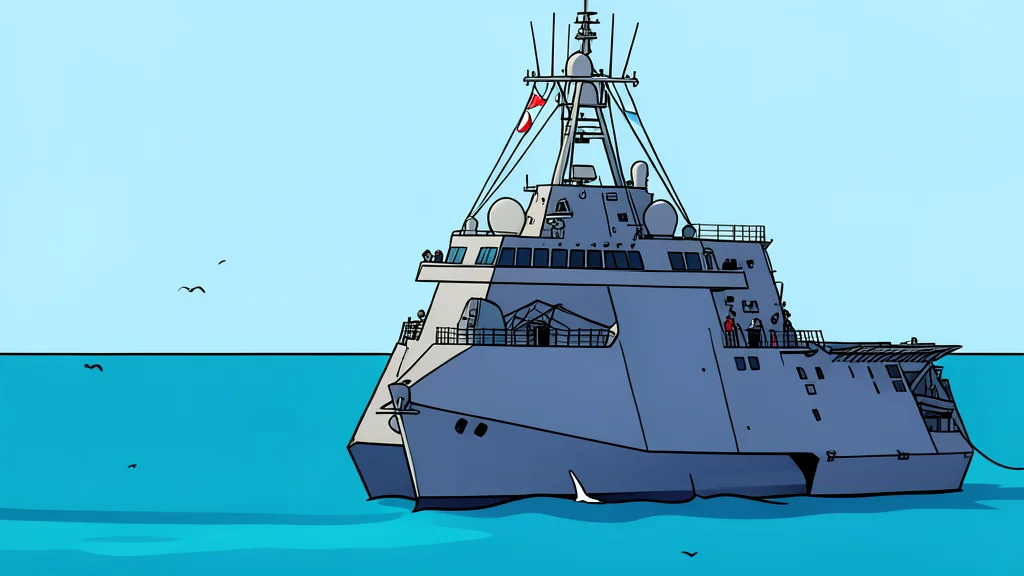
U.S. and allied forces conduct joint maritime drills in the Philippines to enhance regional surveillance and interoperability in contested waters.
Key points
- U.S. and eight partner nations conduct joint maritime exercises in the Philippines under the ADMM-Plus framework.
- The force includes the USS Canberra and a P-8A Poseidon aircraft to enhance long-range surveillance capabilities.
- The exercise aims to improve interoperability and maritime domain awareness in the contested South China Sea.
A multinational naval task force has assembled off the coast of the Philippines to conduct coordinated maritime security operations in the South China Sea. The exercise, centered at Subic Bay, involves vessels from the United States, Japan, India, Australia, Singapore, Brunei, New Zealand, and the Philippines. According to Army Recognition, the deployment emphasizes shared operational awareness and the ability to monitor maritime activity across strategically significant waters.
The initiative is part of the ADMM-Plus Experts’ Working Group on Maritime Security Joint Cooperative Activity, launched in September 2026 and co-hosted by Japan and the Philippines. While officially focused on interoperability and humanitarian assistance, the timing underscores the growing importance of persistent surveillance in a region where encounters between Philippine and Chinese forces continue to shape the security environment. The presence of long-range patrol aircraft and diverse surface combatants signals a commitment to maintaining a shared operational picture.
Multinational Force Composition
The U.S. contribution includes the Independence-variant littoral combat ship USS Canberra (LCS 30) and a P-8A Poseidon maritime patrol aircraft. Allied participants include Japan’s Hyuga-class destroyer JS Ise, India’s Shivalik-class frigate INS Sahyadri, and Australia’s Anzac-class frigate HMAS Perth. The group also features vessels from Singapore, Brunei, New Zealand, and the Philippines, creating a diverse mix of capabilities ranging from anti-submarine warfare to logistics support.
Strategic Focus on Surveillance
The inclusion of the P-8A Poseidon is particularly significant for extending sensor coverage beyond the horizon of surface ships. According to military analysts, this combination allows participating forces to exchange information rapidly and coordinate responses across a wide operating area. The exercise reflects a broader trend among regional navies to prioritize maritime domain awareness and interoperability as they monitor increasingly contested waters.
Regional Security Implications
This deployment occurs amid heightened tensions in the South China Sea, where maritime activities have increasingly emphasized anti-submarine warfare and shared procedures within the Philippine exclusive economic zone. The coordinated presence of eight nations highlights the operational importance of multinational cooperation in maintaining stability. Observers will watch how this enhanced surveillance framework influences future interactions and diplomatic engagements in the region.