Australia Launches Bid for UN Security Council Seat
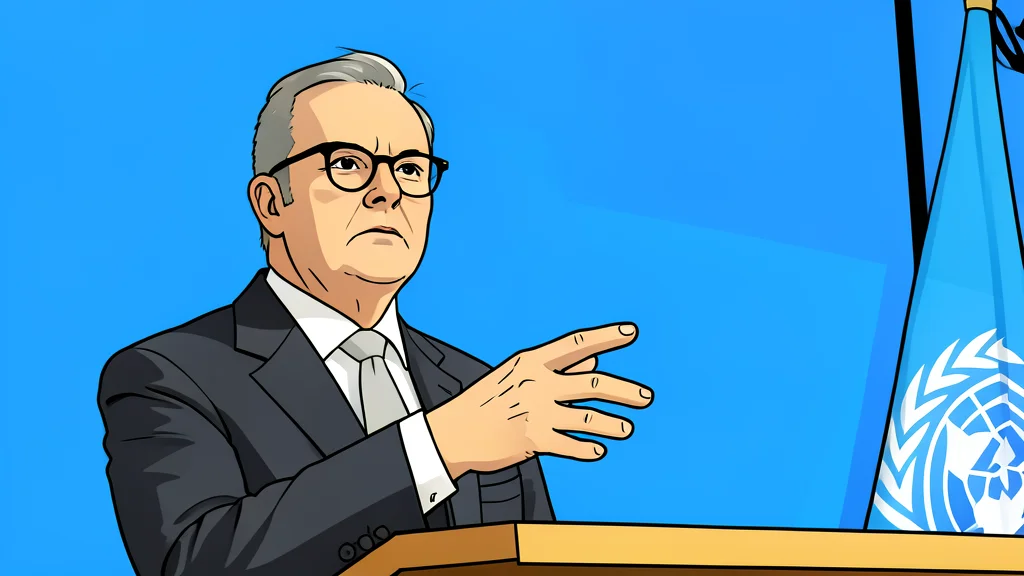
Prime Minister Anthony Albanese formally begins Australia's campaign for a non-permanent seat, citing global influence and technological leadership.
Key points
- Australia has officially begun its campaign for a two-year non-permanent seat on the UN Security Council starting in 2029.
- Prime Minister Albanese appointed Siobhan McKenna as the next consul-general in New York to support the diplomatic effort.
- A secret ballot in mid-2028 requires a two-thirds majority of UN General Assembly members for success.
Australia has officially launched its campaign to secure a two-year non-permanent seat on the United Nations Security Council. Prime Minister Anthony Albanese announced the move in New York, asserting that the nation is well-positioned to gain one of the two available spots for the upcoming term starting in 2029.
According to reports from abc.net.au, the Prime Minister described Australia as punching above its weight on the global stage. The bid aims to leverage the country’s leadership in areas such as climate change, online safety, and the regulation of artificial intelligence to shape international responses to emerging crises.
Strategic positioning in global governance
The campaign, operating under the slogan "We listen. We partner. We protect," emphasizes Australia’s role as a first mover in technology regulation and environmental policy. Albanese highlighted the need for international cooperation, specifically urging major powers to collaborate on managing the rapid advancement of artificial intelligence.
To bolster its diplomatic presence, the government appointed Siobhan McKenna as the next consul-general in New York. McKenna, currently the chair of Australia Post and a former executive at News Corp, will succeed Heather Ridout, whose term expires later this year. This appointment underscores the importance Australia places on maintaining robust diplomatic channels in the United States.
Electoral hurdles and international competition
Securing a seat on the 15-member council requires a secret ballot among UN General Assembly members. A candidate must achieve a two-thirds majority, which translates to at least 128 votes if all 193 member states participate. The voting process is scheduled for mid-2028, providing a significant window for diplomatic engagement.
Currently, only Finland has nominated for the two available non-permanent positions alongside Australia. Albanese expressed confidence in the country’s chances, noting its strong international reputation. However, the process remains competitive, as the council’s effectiveness is often scrutinized due to the veto power held by permanent members such as Russia and China.
Domestic justification and economic impact
Addressing potential domestic criticism regarding the cost of the campaign, Albanese characterized the expenditure as modest. He argued that active engagement in global affairs directly impacts the Australian economy, particularly in managing inflation and fuel prices exacerbated by conflicts in the Middle East.
The Prime Minister stressed that international stability is crucial for the cost of living and the daily quality of life for Australians. By securing a seat on the Security Council, Australia aims to contribute to peacekeeping efforts and dispute resolution, ensuring that global decisions reflect a broader range of perspectives beyond the traditional powers.