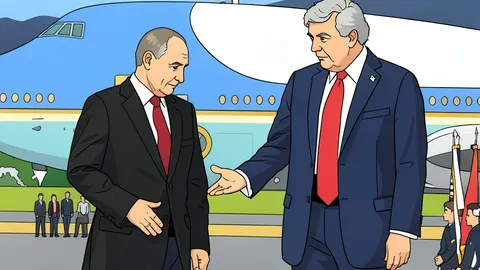
Xi's White House Visit Tests Fragile US-China Trade Truce
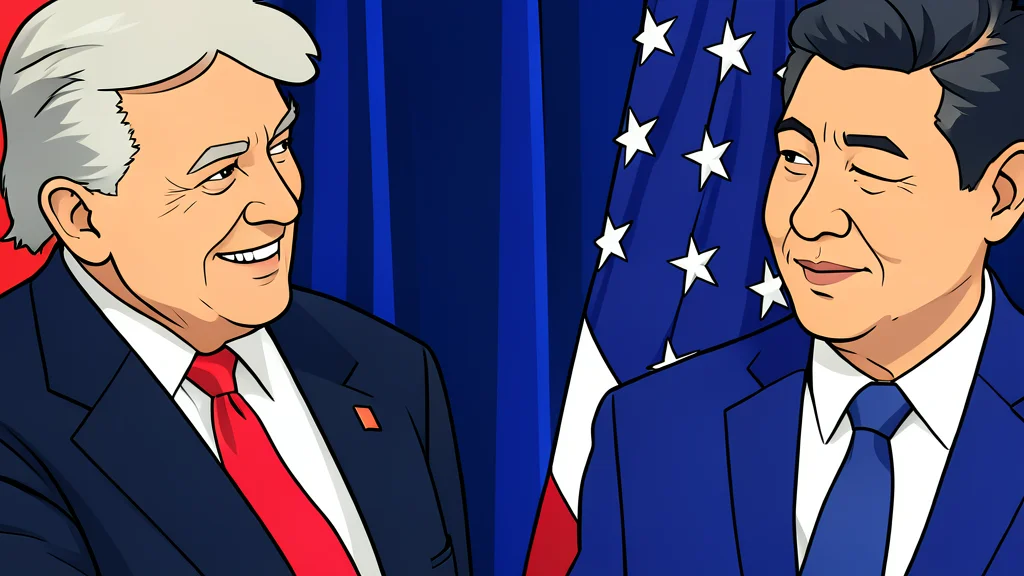
Despite a 30% drop in bilateral trade, China recorded a $1.2 trillion global surplus, complicating the upcoming diplomatic talks between the two leaders.
Key points
- US-China bilateral trade fell nearly 30% in 2025, yet China recorded a $1.2 trillion global trade surplus.
- Average tariff rates on Chinese goods in the US are 36.5%, with specific sectors like copper facing over 73%.
- The upcoming White House summit seeks to extend a fragile truce expiring in November amid growing tech restrictions.
Chinese President Xi Jinping is scheduled to meet United States President Donald Trump at the White House for the first high-level state visit in over a decade. The three-day summit arrives at a critical juncture, as the two largest economies navigate a complex landscape of tariff truces, technology restrictions, and shifting supply chains.
According to Al Jazeera English, the central question facing the leaders is whether the ongoing trade conflict has yielded strategic advantages for either side. While the US has significantly reduced its direct trade volume with Beijing, China has maintained a massive global trade surplus, suggesting that the economic impact of the dispute extends far beyond bilateral borders.
Bilateral trade volumes decline sharply
US trade with China fell nearly 30 percent in 2025 compared to the previous year, a direct result of the elevated tariff rates and regulatory barriers imposed since early 2025. This significant contraction in direct exchange reflects the intensity of the economic decoupling that has characterized the relationship between Washington and Beijing in recent months.
However, this decline in bilateral trade does not equate to a reduction in China’s overall economic standing. Beijing recorded a global trade surplus of $1.2 trillion last year, indicating that Chinese goods are being redirected to other markets rather than disappearing from the global economy. This shift suggests that the tariffs have altered trade flows more than they have suppressed total production or demand.
Tariff structures vary by sector
A Congressional Research Service report highlights that average tariff rates for Chinese goods entering the US stand at 36.5 percent, while US goods entering China face an average of 31 percent. These averages mask significant variations across specific industries, with some sectors facing much higher effective duties due to layered regulatory measures.
For instance, Chinese copper products face an effective tariff rate of over 73 percent, while aluminum and steel items encounter rates between 50 and 58 percent. In response, China has applied additional levies on specific US imports, including crude oil, liquefied natural gas, and agricultural products, creating a complex matrix of financial barriers for businesses in both countries.
Technology rivalry expands beyond tariffs
The conflict is no longer limited to traditional trade goods; it now encompasses critical technologies and strategic resources. The US has imposed curbs on the sale of advanced AI chips and banned imports of certain Chinese-manufactured robotics, while Beijing has restricted exports of rare earth elements and drone technology. These measures reflect a broader competition for dominance in the digital and industrial future.
With the current tariff truce set to expire in November, the coming weeks will be decisive. Observers will watch closely to see if the leaders can reach a new agreement that stabilizes these fragmented supply chains, or if the diplomatic meeting will further entrench the economic divisions between the two nations.