Diplomatic Efforts Bridge Iran-UAE Divide at BRICS Summit
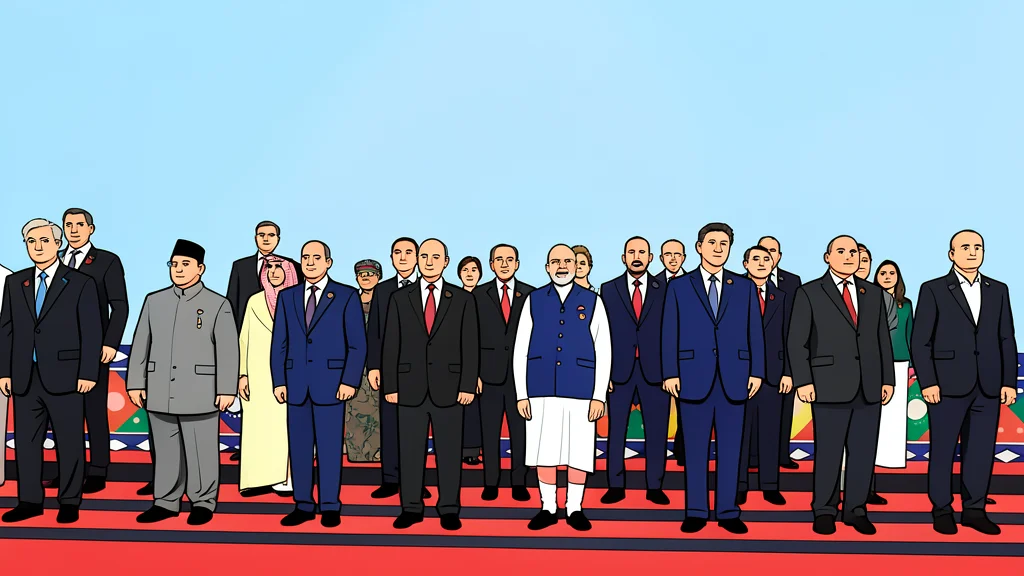
Behind-the-scenes negotiations and high-level interventions facilitated a rare consensus among BRICS members regarding the conflict in West Asia, marking a significant diplomatic achievement for India's chairship.
The recent BRICS joint declaration, which secured a consensus on the war in West Asia, resulted from a complex interplay of diplomatic maneuvering, high-level political will, and multilateral pressure. According to reporting from the GN geopolitics/ceasefire desk, the breakthrough was not immediate but emerged from a narrow window of opportunity created by the lapse of a previous US-Iran ceasefire.
Indian diplomats, leveraging their experience in multilateral forums, spent nearly 100 hours in final negotiations to bridge the gap between Tehran and Abu Dhabi. This effort was supported by subtle nudges from China and Russia, as well as backing from other members like Egypt and Brazil, transforming initial stalemates into a unified statement.
Early Stalemates and Shifting Dynamics
Initially, the path to agreement was obstructed by deep-seated differences. During the second Sherpas’ meeting in May, officials noted a distinct shift in atmosphere, with Iranian and Emirati representatives unable to find common ground. The resulting Foreign Ministers’ meeting produced only a vague acknowledgment of differing national positions, highlighting the difficulty of aligning member states on such a sensitive regional issue.
Sustained Diplomatic Engagement and Mediation
The Indian delegation, led by Sherpa Sudhakar Dalela and supported by a team with extensive multilateral background, initiated a sustained outreach campaign. This involved direct communication between Prime Minister Narendra Modi and leaders of both the UAE and Iran, as well as high-level talks between security advisors and foreign ministers. Ambassadors in both capitals were tasked with laying the groundwork, though initial responses saw positions harden as red lines were firmly established.
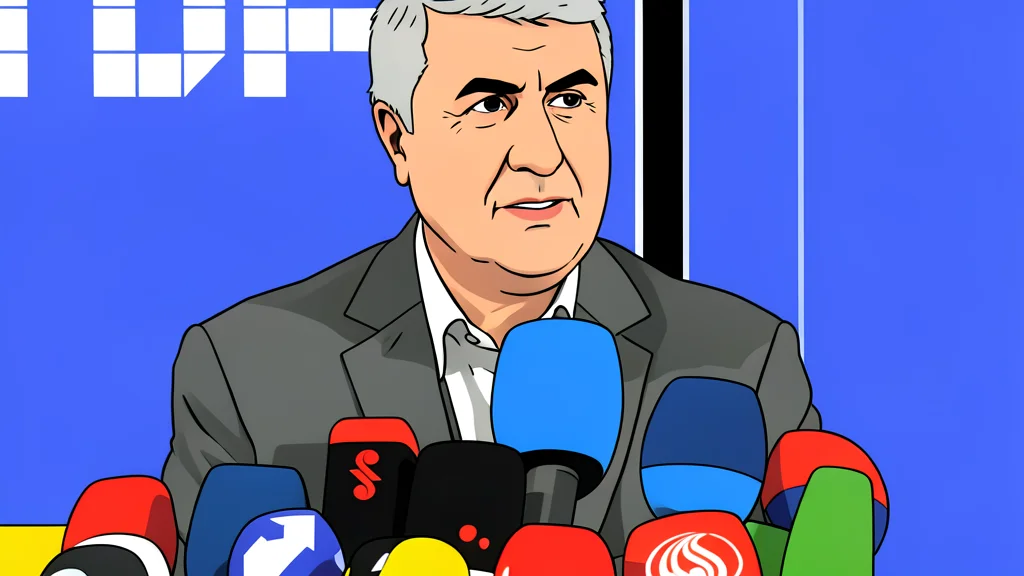
A pivotal moment occurred during the SCO summit in Bishkek, where President Masoud Pezeshkian was engaged directly. Officials indicated that Iran was persuaded to move toward consensus to preserve its standing as a new BRICS member and to avoid being blamed for a conflict initiated by external actors. This shift provided the momentum needed to overcome the UAE’s initial reluctance, allowing negotiators to focus on the precise formulation of the joint statement.
Finalizing the Joint Declaration
In the final days of the process, negotiations intensified with sherpas working extended hours to refine the language of the declaration. The text was scrutinized line by line to ensure it satisfied the distinct concerns of both Tehran and Abu Dhabi. This meticulous work, backed by the broader support of the BRICS membership, culminated in the successful adoption of the consensus statement during the summit in New Delhi.