Iran's Nuclear Chief Absent from Vienna IAEA Summit
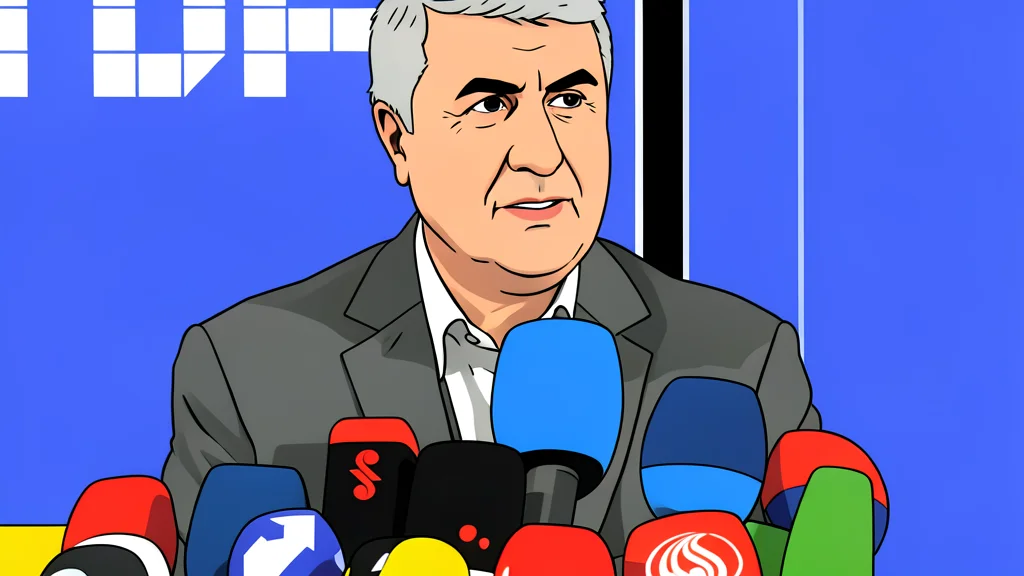
Tensions between Tehran and Western powers have deepened as Iran's top nuclear official is barred from attending the annual IAEA General Conference in Vienna, marking a significant rupture in diplomatic channels.
Mohammad Eslami, the head of Iran’s Atomic Energy Organization, is not expected to attend the annual gathering of the United Nations nuclear watchdog’s member nations in Vienna. According to an official briefed on the matter, Eslami is prohibited from international travel due to recent sanctions, effectively excluding him from the conference for the first time in several years. This absence underscores the rapidly deteriorating relations between Iran and the West, particularly following the collapse of a fragile ceasefire in July that led to renewed hostilities.
Austria, as the host nation for the United Nations in Vienna, sought a waiver from the U.N. sanctions committee to allow Eslami to attend, but the request was denied. The official, who spoke on condition of anonymity due to the sensitivity of the issue, noted that such exemptions are typically granted to enable sanctioned officials to participate in international conferences. However, the current geopolitical climate has made such diplomatic accommodations difficult to secure, reflecting the broader strain in international nuclear diplomacy.
Sanctions Reimposed Following Snapback Mechanism
The travel ban Eslami faces is part of a broader set of United Nations sanctions that were automatically reimposed last year. France, Britain, and Germany triggered the so-called snapback mechanism, arguing that Iran willfully departed from the 2015 nuclear deal. These measures include a conventional arms embargo, restrictions on ballistic missile development, asset freezes, and bans on nuclear-related technology production. The reinstatement of these sanctions has significantly complicated diplomatic engagements, as key figures from Tehran are now legally barred from entering many Western jurisdictions.
Dispute Over Uranium Stockpile Verification
Since Israel and the United States struck Iran’s nuclear sites during the twelve-day conflict in June 2025, Tehran has refused to grant IAEA inspectors access to the affected facilities. This refusal violates Iran’s legal obligations under the Nuclear Nonproliferation Treaty to cooperate with the watchdog. Consequently, the IAEA has been unable to verify the status of a stockpile of near-weapons-grade uranium. According to the agency, Iran maintains 440.9 kilograms of uranium enriched to 60 percent purity, a technical step away from the 90 percent level required for nuclear weapons.
Iran maintains that it is not pursuing nuclear weapons and asserts that its program is entirely peaceful. However, the lack of transparency regarding the enriched uranium stockpile has heightened concerns among Western nations. The IAEA General Conference, scheduled to run from Monday to Friday, will focus on budget approvals and policy issues, including nuclear safeguards in the Middle East. The absence of Iran’s nuclear chief from these discussions signals a challenging period for international nuclear oversight.
Conflicting Reports on Official Travel
Despite the official statement that Eslami would not attend, Iran’s state news agency IRNA reported that he had left Tehran for Vienna to participate in the conference and meet with representatives from various countries. Eslami has regularly attended and addressed the IAEA General Conference since his appointment in 2021. This discrepancy highlights the information gap and the competing narratives emerging from both Tehran and Western diplomatic circles. The situation remains fluid, with the outcome of the conference and the potential for further diplomatic engagement uncertain.
The forward question for observers is whether the IAEA can maintain its monitoring role amid such political constraints. As the agency prepares to discuss safeguards and budget, the inability to verify nuclear materials in Iran poses a significant risk to global non-proliferation efforts. The coming days will reveal if any back-channel diplomacy can bridge the divide, or if the conflict continues to drive a wedge between Iran and the international community.