Regional Tensions Strain Saudi Oil Logistics and Diplomatic Efforts
Diplomatic initiatives to stabilize shipping routes have stalled as infrastructure damage threatens critical energy exports, creating a five-day buffer for supply continuity.
Middle East diplomacy faced a significant setback on Monday when Oman postponed a scheduled meeting between Iran and Gulf states. According to reporting from GN auto geopolitics/middle-east: Middle East diplomacy, the delay was announced in the interests of consensus, dealing a blow to efforts aimed at securing safe passage through the Strait of Hormuz. This development coincides with heightened security concerns surrounding the region’s two primary oil transit routes, increasing fears of further disruption to global energy supplies.
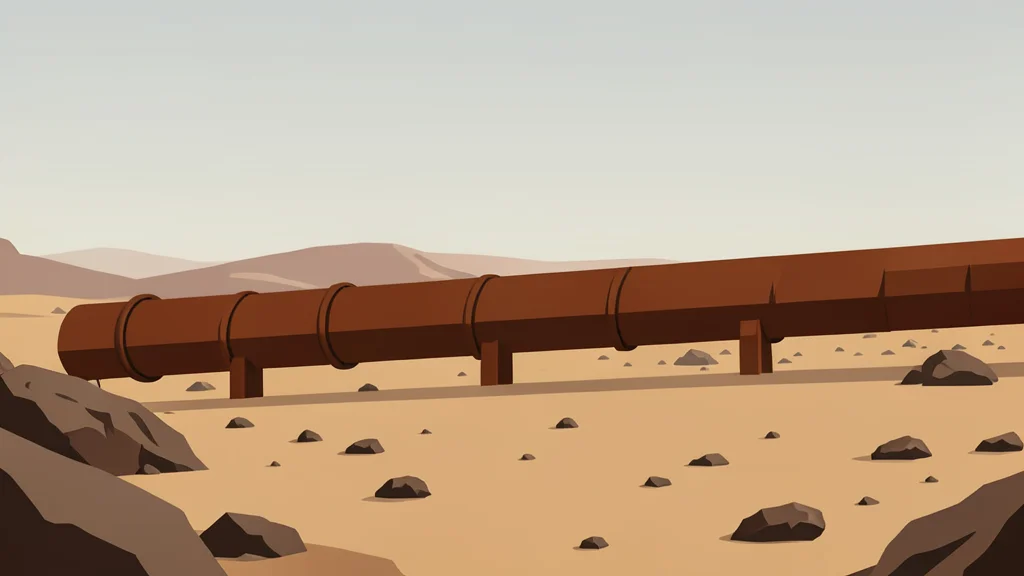
The diplomatic pause occurs against a backdrop of physical infrastructure damage. Saudi Arabia has kept a 1,200-kilometer east-west pipeline shut following drone strikes on Friday. This pipeline serves as a critical alternative route for exporting Middle Eastern oil while bypassing the Strait of Hormuz. Traders and buyers indicated that Riyadh currently has sufficient crude stored at its Red Sea port of Yanbu to maintain exports for only five to seven days if the pipeline remains offline.
Pipeline damage constrains export capacity
The disruption to this key infrastructure could jeopardize as much as four percent of global oil supply, adding to millions of barrels per day already affected by reduced traffic through the Strait of Hormuz. Saudi Arabia has not disclosed the full extent of the damage or the precise timeline for repairs, with sources providing conflicting estimates ranging from days to weeks. This uncertainty has contributed to a surge in oil prices, which climbed above 100 US dollars a barrel last week for the first time since July.
Security risks persist in key straits
The Strait of Hormuz remains a major security focal point. The UK Maritime Trade Operations agency reported that a vessel was struck by a projectile while transiting the strait, causing a fire and forcing the crew to evacuate. Separately, Iranian authorities stated that one person was killed and four crew members were wounded aboard an Iranian commercial vessel struck off its coast. Iranian Foreign Minister Abbas Araqchi indicated that Iran would not reopen the strait until the United States met Tehran’s demands, regardless of any bilateral agreements with Oman.
Meanwhile, Yemen’s Houthi rebels have continued attacks on Saudi Arabia following their advance to Perim Island in the Bab el-Mandeb strait. Saudi state media released footage showing damage to homes and a mosque in Jazan province, while the Houthis claimed strikes on a military base in a neighboring province. These actions have added pressure on Washington, which seeks to support Saudi Arabia and protect shipping without opening another front in the broader conflict.
US response remains cautious and limited
Three sources indicated that Saudi Crown Prince Mohammed bin Salman contacted US President Donald Trump on Thursday to request military aid against the Houthis. However, Washington has offered intelligence support for the time being. President Trump confirmed the conversation on Saturday and reiterated during a trip to Ireland that he expected the war with Iran to end this year. He also suggested that petrol prices would drop significantly once the conflict concludes, though the immediate five-day supply risk for Saudi exports remains a pressing concern for global markets.