Vienna Conference Dispute over Iranian Nuclear Official Access

A high-level Iranian official was denied entry to the IAEA conference in Vienna following U.S. pressure, altering the diplomatic dynamics at the start of the week’s proceedings.
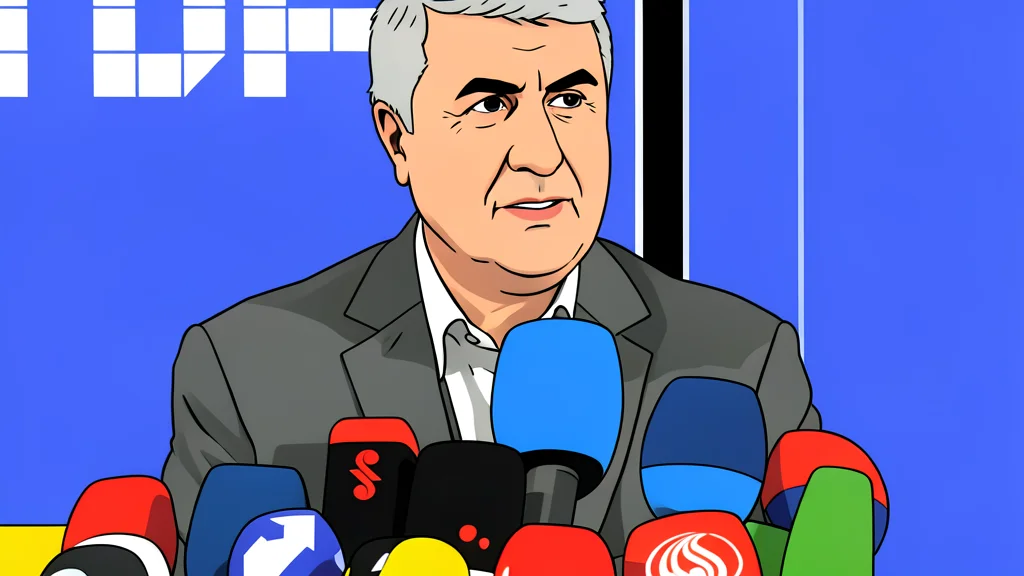
Mohammad Eslami, Iran’s vice president for nuclear affairs, was prevented from addressing the International Atomic Energy Agency’s general conference in Vienna after Austria denied him entry. The decision came at the urging of the U.S. administration, which sought to block a U.N.-requested sanctions waiver that would have permitted his travel. This move effectively sidelines a top emissary from Tehran during the opening days of the gathering, a moment that could have lent significant credibility to Iran’s position in the ongoing nuclear dispute.
According to a U.S. official speaking on condition of anonymity, the denial of entry followed direct pressure from Washington. While a lower-level Iranian representative may still address the assembly later in the week, the absence of Eslami at the start of the conference marks a significant shift in the diplomatic landscape. The incident occurs seven months into a heightened conflict involving the United States and Israel, with President Donald Trump emphasizing the necessity of preventing Iran from acquiring nuclear weapons.
U.S. Secretary Sets Stark Warning
In the vacuum left by the blocked Iranian speech, U.S. Energy Secretary Chris Wright is scheduled to deliver a firm warning to Tehran. He is expected to insist that Iran must fully cooperate with the IAEA and meet its safeguards obligations. Wright’s remarks will highlight the agency’s recent observation of construction activity at the Pickaxe Mountain site, a heavily fortified location suspected of housing nuclear-related work.
The administration’s stance is unequivocal, with President Trump recently warning Iran not to engage in evasive tactics. Wright will emphasize that the IAEA must prioritize operational efficiency and ensure that funding from member states is used to uphold the foundational promises of the nuclear nonproliferation regime. This approach aligns with broader U.S. efforts to maintain strict oversight of nuclear activities while promoting the agency’s core technical mandate.
Broader Context of Nuclear Diplomacy
The dispute over Eslami’s access highlights the complex interplay between sanctions, diplomacy, and nuclear security. According to the GN auto geopolitics/middle-east: Iran nuclear reporting, this incident underscores the difficulty of maintaining multilateral forums when bilateral tensions run high. The IAEA finds itself in a delicate position, tasked with verifying safeguards while navigating the political pressures of its largest contributors.
Wright is also expected to promote the peaceful use of nuclear technology, citing a recent agreement with Saudi Arabia that allows American companies to build reactors in the kingdom. This dual-track approach seeks to position the United States as a leader in nuclear energy innovation while enforcing rigorous standards for safety and nonproliferation. The administration argues that rapid growth in nuclear power and uncompromising security standards can coexist, strengthening both national interests and global competitiveness.
Watching for Future Diplomatic Moves
The next few days will be critical for assessing the impact of this diplomatic friction. Observers will watch whether the lower-level Iranian representative can effectively convey Tehran’s position despite the absence of its senior nuclear official. Additionally, the reaction from other IAEA member states to the U.S. pressure on Austria will provide insight into the broader coalition dynamics within the agency.
The situation remains fluid, with the potential for further escalation or a tentative de-escalation depending on subsequent negotiations. The ability of the IAEA to maintain its operational independence and credibility will be tested in the coming weeks. As the conference proceeds, the focus will remain on whether technical discussions can proceed amidst the heightened political stakes, and how the various parties navigate the delicate balance between security concerns and diplomatic engagement.