Malaysia Weighs Supersonic Missile Acquisition
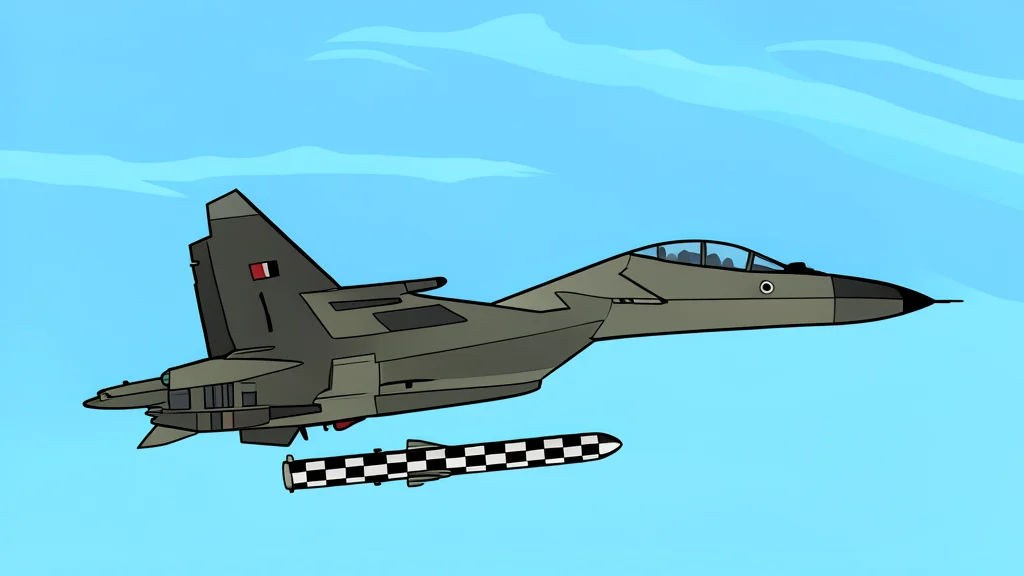
Kuala Lumpur is exploring India’s BrahMos missile system, a move that could shift maritime deterrence dynamics in the South China Sea.
Malaysian Prime Minister Anwar Ibrahim has confirmed that Kuala Lumpur is exploring the acquisition of India’s BrahMos air-launched supersonic missile. According to the GN auto geopolitics/asia-pacific: South China Sea report, this discussion marks a shift from technical speculation to acknowledged political engagement. However, officials emphasize that no final decision has been made, and the Royal Malaysian Air Force must still evaluate whether the weapon meets strict operational, technical, and financial criteria.
The primary candidate for integration is the BrahMos-A, a variant specifically designed for carrier-based or air-launched operations from platforms like the Su-30MKI. For Malaysia, the logical host for this system would be its existing fleet of 18 Su-30MKM fighters. While the strategic appeal is clear, the path to deployment is fraught with significant technical hurdles that extend beyond simple procurement.
Technical Demands of Integration
The BrahMos-A is a heavy weapon, weighing approximately 2,500 kilograms. This mass imposes an unusually demanding integration burden on the host aircraft. As noted in the analysis, adapting the Su-30MKM requires strengthened mounting structures, a custom centerline pylon, and revised release mechanisms. Furthermore, significant avionics changes and safe-separation validation are necessary before the system can be declared operationally ready.
The missile’s propulsion system combines a solid-fuel booster with a liquid-fueled ramjet, allowing it to sustain speeds between Mach 2.8 and Mach 3. This velocity compresses the time available for defending forces to detect, classify, and intercept the weapon. The combination of high speed, low terminal altitude, and stand-off launch geometry could significantly complicate defensive planning across the Strait of Malacca and contested sectors of the South China Sea.
Strategic Implications for Deterrence
If implemented, the BrahMos-A would provide Malaysia with a high-speed stand-off capability that exceeds the current weapons inventory of the Su-30MKM fleet. The system offers a conventional high-explosive or semi-armour-piercing warhead with a mass between 200 and 300 kilograms, guided by inertial navigation and active-radar terminal homing. This would materially widen the geography from which Malaysian aircraft could generate combat effects, enhancing maritime-strike deterrence.
Diplomatic and Industrial Considerations
The acquisition carries diplomatic weight because BrahMos Aerospace is an India–Russia joint venture. A purchase would deepen Malaysia’s defense-industrial reliance beyond traditional Western channels, connecting Kuala Lumpur more closely to New Delhi’s expanding security relationships. Prime Minister Ibrahim stated that the relationship with India is built on trust, supporting deeper cooperation. However, the decisive question for regional planners remains whether Malaysia can convert this exploratory diplomacy into a funded and sustainably supported force posture without compromising the availability of its existing air fleet.