Houthi Red Sea Control Forces Gulf Security Reassessment
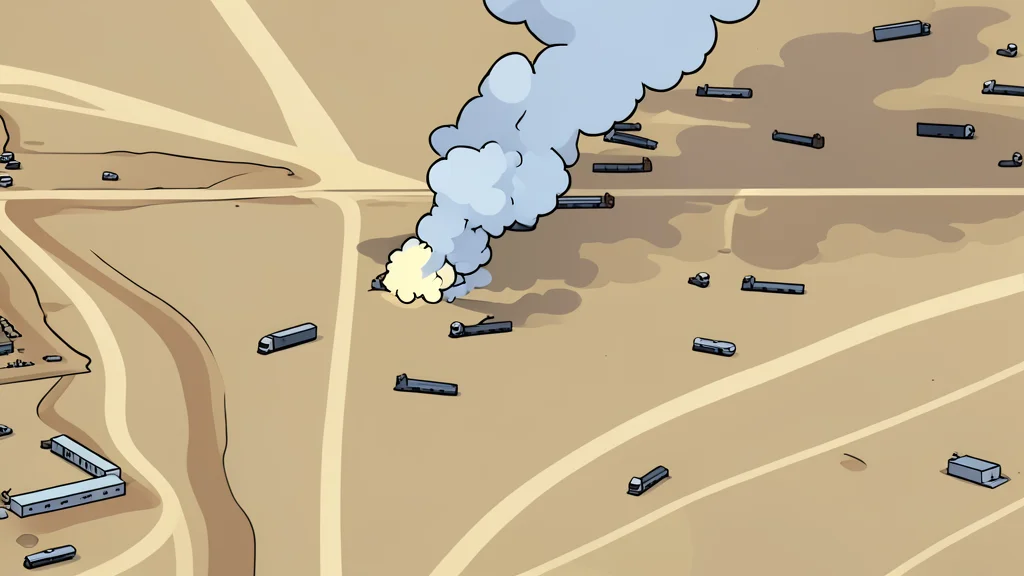
The Houthi capture of strategic islands near the Bab el-Mandeb strait is reshaping regional power dynamics, compelling Gulf states to weigh economic costs against diplomatic engagement with Iran.
The recent Houthi seizure of key islands near the Bab el-Mandeb strait has fundamentally altered the strategic landscape in the Gulf. According to Middle East analyst Fawaz Gerges, this move provides the Iran-aligned group with significantly greater geopolitical and geoeconomic leverage over Saudi Arabia, other Gulf states, and global trade routes. The development creates a complex dilemma for regional capitals, which must now decide whether to absorb increasing economic pressures or pursue diplomatic accommodation with Tehran.
By securing a position overlooking one of the world's most critical shipping arteries, the Houthis have introduced a second point of pressure that threatens Saudi oil exports previously diverted from the Strait of Hormuz. Regional officials note that this dual threat allows Tehran and its proxies to influence oil prices and inflation while reducing the region's reliance on Washington for crisis resolution. The strategy effectively forces Gulf states to choose between enduring economic pain from restricted trade or engaging with Iran to protect energy flows and stability.
Diplomatic Channels Face Stalls
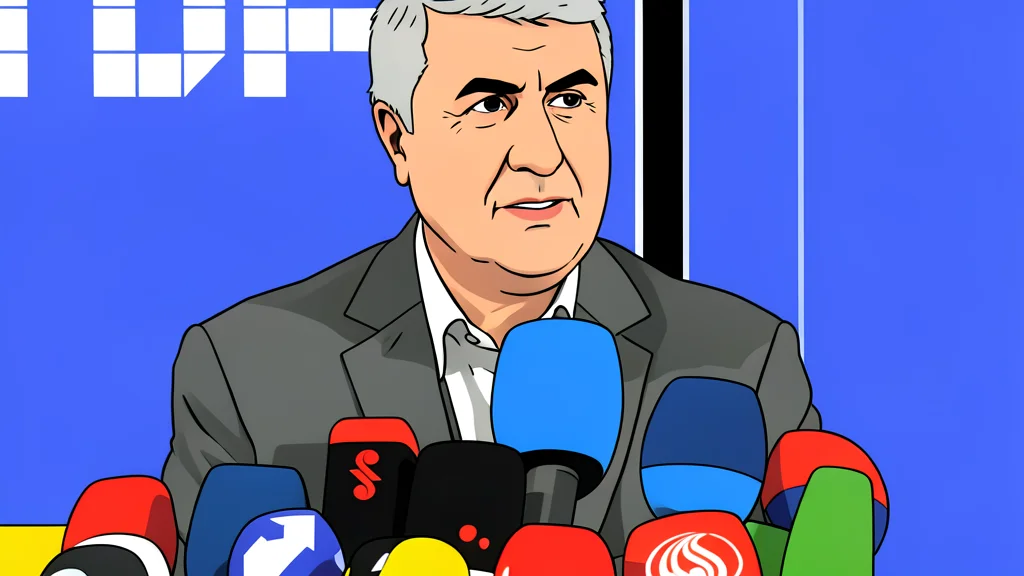
Efforts to manage the crisis through dialogue have encountered obstacles. A meeting scheduled in Salalah, Oman, between Gulf Arab foreign ministers and Iranian counterpart Abbas Araghchi was postponed due to disagreements over the terms of the talks, according to a Gulf source. Omani Foreign Minister Badr Albusaidi stated that the delay was necessary to preserve consensus, emphasizing a continued commitment to fostering dialogue that supports regional stability and lasting cooperation.
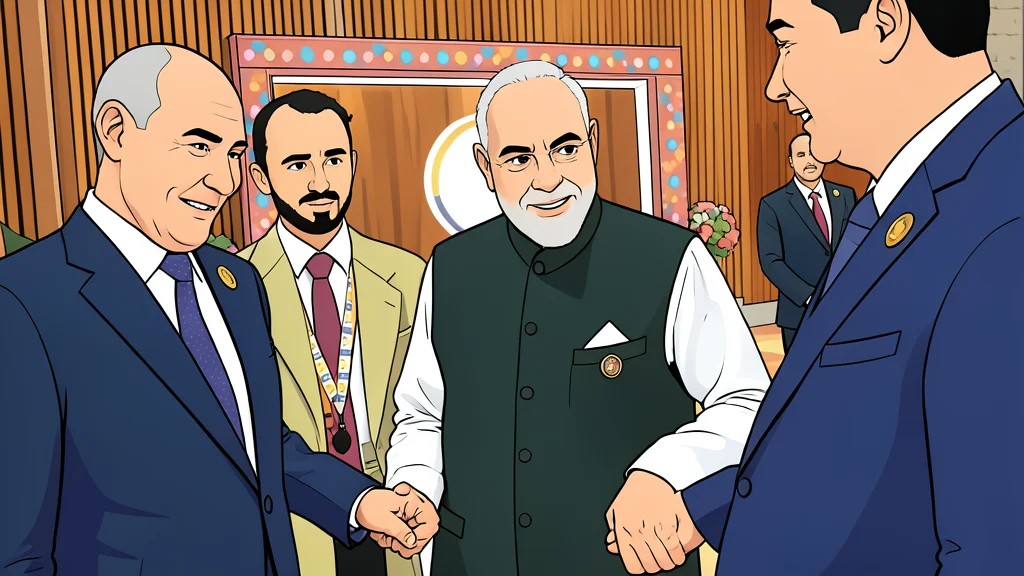
Despite these hurdles, signals of potential engagement persist. Iranian President Masoud Pezeshkian indicated that he had held constructive talks with UAE Crown Prince Sheikh Khaled bin Mohamed bin Zayed Al Nahyan on the sidelines of the BRICS leaders' summit in New Delhi. Pezeshkian suggested a mutual agreement to move past previous confrontations and focus on building a shared future, while US President Donald Trump maintained a hands-off approach, stating that the decision to meet with Iran rested solely with the Gulf states.
Geographic Realities Shape Strategy
The core challenge for Gulf leadership remains the immutable nature of regional geography. Decades of confrontation have failed to change the reality that Iran’s proximity to key energy and trade routes makes it an unavoidable player in any security equation. The recent conflict, triggered by US and Israeli actions, has undermined long-standing diplomatic efforts to contain Iranian influence, leaving Gulf states with limited options to bypass this strategic reality.
As reported in the GN auto geopolitics/middle-east: Yemen conflict coverage, the situation highlights a step-by-step strategy by Iran to expand its sphere of influence. The inability to secure a temporary framework for shipping management in the Strait of Hormuz underscores the urgency for the region to find a sustainable path forward. The coming weeks will likely reveal whether economic necessity overrides political hesitation, driving Gulf states toward a new diplomatic posture.