Diplomatic Stalls and Pipeline Strikes Heighten Regional Oil Risks
Fresh attacks on critical energy infrastructure and the postponement of key diplomatic talks have created a volatile mix for global oil markets and regional security.
Tensions in the Middle East have intensified as diplomatic channels narrowed and physical threats to energy infrastructure grew. According to reporting from GN auto geopolitics/middle-east: Middle East diplomacy, the postponement of a scheduled meeting between Iran and Persian Gulf powers has left a vacuum in regional negotiations. This delay coincides with fresh attacks on key oil transit routes, creating a dual pressure on both political stability and global energy supply chains.
The immediate consequence of these developments is visible in financial markets. Oil prices surged when trading resumed, reflecting investor anxiety over potential disruptions. The market reaction underscores a growing concern that the region’s ability to maintain steady energy flows is being tested by both state and non-state actors.
Infrastructure Damage Disrupts Supply
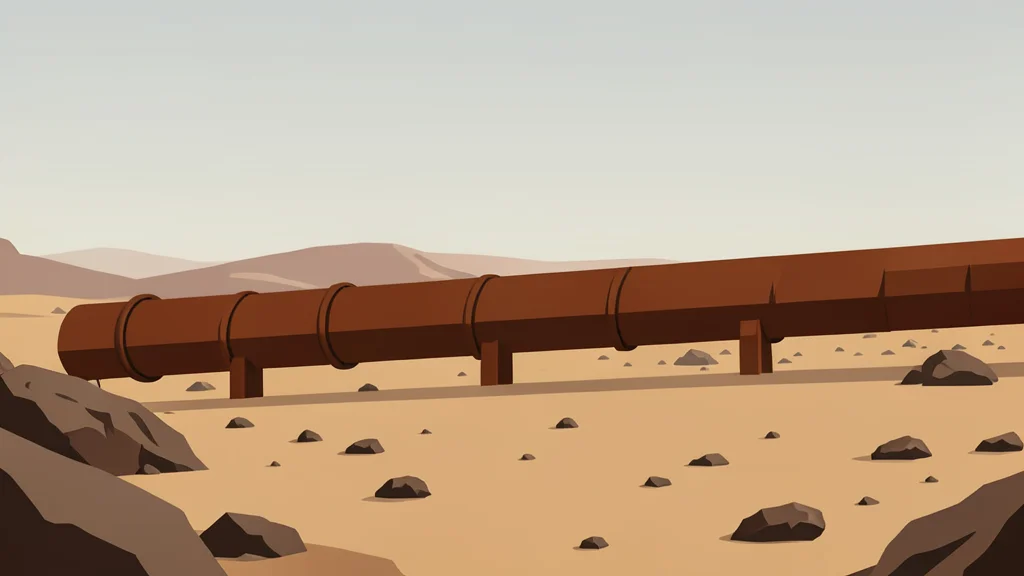
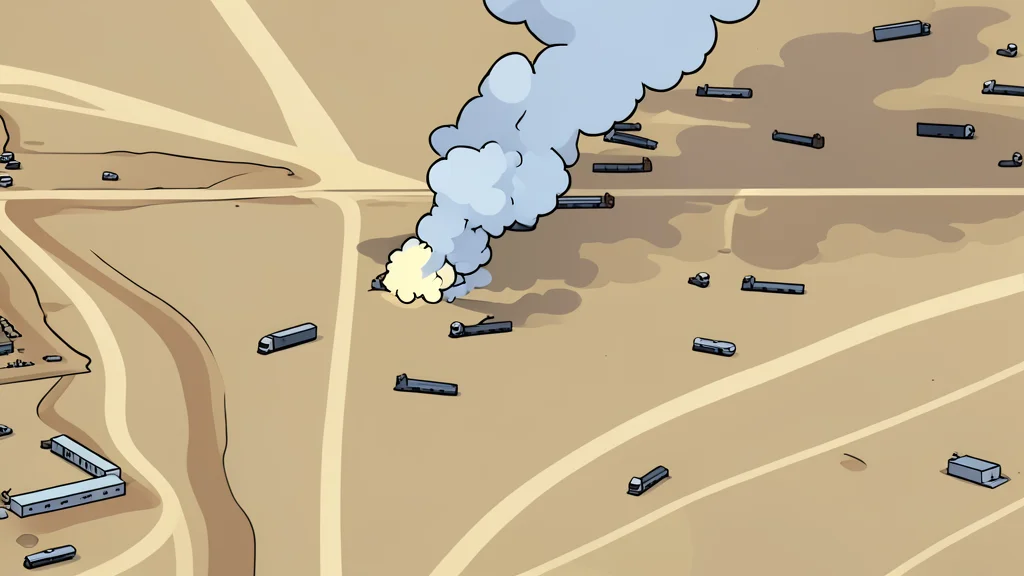
A significant factor in the current volatility is the closure of a vital Saudi pipeline. Reports indicate that the infrastructure was damaged by drone strikes, forcing authorities to halt operations to ensure safety and prevent further environmental or economic damage. This closure removes a critical artery from the global energy network, reducing overall capacity and raising the cost of transporting crude to international buyers.
The physical risk to these routes has become a central theme in recent regional analysis. When critical infrastructure is threatened, the risk premium on energy assets rises. This is not merely a local issue; it ripples through global logistics, affecting shipping routes and refining schedules across multiple continents. The market is pricing in a higher likelihood of disruption for the foreseeable future.
Diplomatic Delays Complicate Resolution
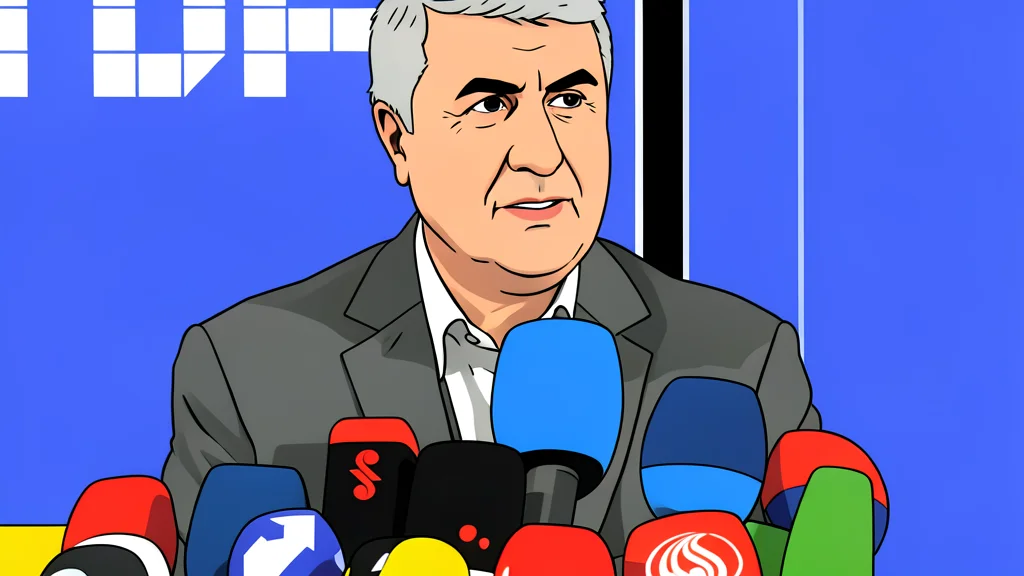
The postponement of the high-level talks between Iran and its Gulf neighbors has dampened hopes for a swift de-escalation. These meetings were originally intended to address the very disruptions now plaguing the sector. Without a direct dialogue channel, the space for misunderstanding or miscalculation expands. Analysts note that the lack of a clear diplomatic roadmap leaves regional powers relying more heavily on defensive postures and indirect communication.
This diplomatic stalemate occurs at a time when trust levels are already low. The inability to meet face-to-face removes a key mechanism for confidence-building. As a result, each side may interpret the other's actions through a more defensive lens, potentially leading to a cycle of reaction and counter-reaction that further destabilizes the region.
Yemen Conflict Adds New Front
Complicating the regional picture, Houthi forces in Yemen have intensified their offensive against Saudi targets. This expansion of violence introduces a new variable for Washington, which must balance its support for allied security with the desire to avoid opening a new military front. The U.S. position is delicate, requiring careful calibration of diplomatic and potential security responses.
The confluence of these events places Middle Eastern diplomacy at a precarious juncture. The combination of infrastructure attacks, diplomatic delays, and expanding conflict zones creates a complex web of risks. Observers are now watching for any signs of renewed dialogue or further military posturing, as these factors will dictate the trajectory of both regional stability and global energy prices.