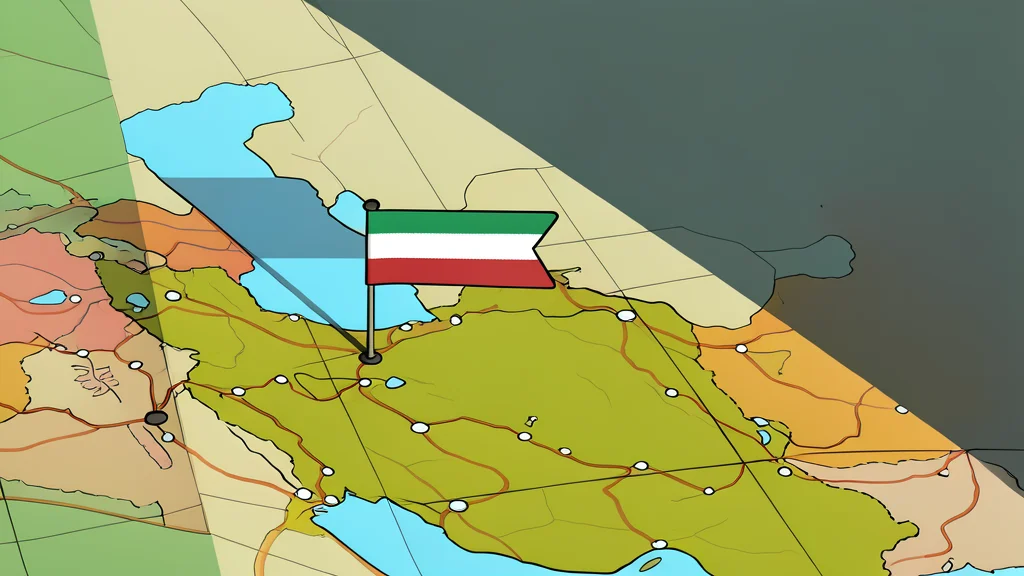
Energy Markets Face Prolonged Pressure from Mideast Conflict
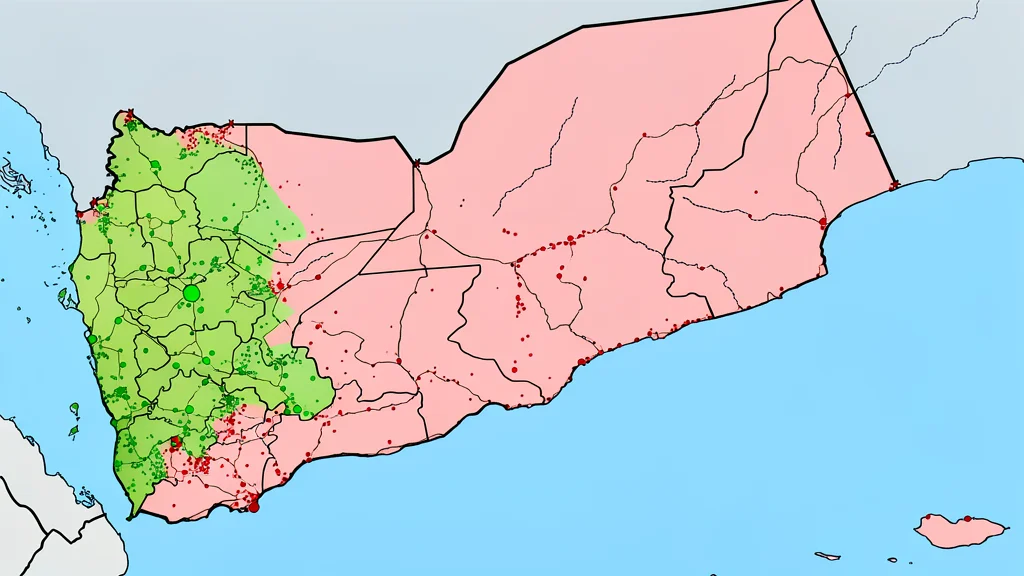
The shift from a short-term supply shock to a sustained geopolitical crisis is reshaping global oil logistics, with key transport routes facing simultaneous disruption.
Global energy markets are entering a phase defined by endurance rather than immediate reaction. The recent expansion of hostilities into Yemen and the targeting of critical Saudi infrastructure mark a departure from the initial, contained supply disruptions seen earlier in the year. According to analysis from GN auto geopolitics/middle-east: Yemen conflict, the situation has evolved into a complex test of economic resilience, where the safeguards that previously cushioned the market have largely eroded. With crude prices stabilizing above significant thresholds, the focus has shifted from managing a sudden spike to navigating a prolonged period of volatility and logistical uncertainty.
Political signals suggest this timeline may extend further than previously anticipated. Recent statements by US President Donald Trump indicated that the conflict could persist until after the upcoming midterm elections, a notable shift from earlier expectations of a brief confrontation. While the accuracy of such predictions remains speculative, the physical reality on the ground supports the view of a drawn-out struggle. The simultaneous pressure on two of the world’s most vital energy arteries suggests that the conflict is not winding down, but rather deepening into a structural challenge for global supply chains.
Strait Blockades Tighten Regional Chokepoints
The strategic landscape has shifted significantly in the Red Sea. Yemen’s Houthi movement has tightened its control over the Bab el-Mandeb Strait, announcing a naval blockade that specifically targets vessels linked to Saudi Arabia. This development complicates the maritime routes that were previously relied upon to bypass other restricted areas. The group’s actions have created a fragmented shipping environment, where safety is no longer uniform but depends heavily on the national affiliation of the vessel. This selective targeting adds a layer of diplomatic and operational complexity to an already tense regional security situation.
At the same time, land-based infrastructure is under direct threat. Saudi authorities reported that the kingdom’s East-West pipeline, a critical alternative to the Strait of Hormuz, was temporarily shut down following a series of drone strikes attributed to actors in Iraq. Satellite imagery indicates that at least one pumping station was damaged, though the full extent of the repair work remains unclear. This pipeline had become a lifeline for the kingdom, allowing it to double its west-coast exports during the initial months of the conflict. Its disruption forces a rapid reassessment of export capacities and highlights the vulnerability of overland transport routes in a contested region.
Export Volumes Hit Decade Lows
The impact on production and export figures is tangible and severe. Data from Kpler and the International Energy Agency shows a sharp decline in Saudi output, with August figures marking the lowest level in more than three decades. Shipments via the East-West pipeline fell to two million barrels per day, a significant drop from the four to five million barrels per day seen in the early months of the conflict. This reduction represents a substantial portion of global oil supply, forcing other producers to increase output to fill the gap. The market is now absorbing a structural loss of capacity rather than a temporary interruption, a distinction that has profound implications for long-term pricing and investment decisions.
While some crude oil continues to flow through the Strait of Hormuz, the volume is far below pre-war levels. Approximately five million barrels per day have been exported through the strait since June, roughly a quarter of what was previously normal. Iranian strikes on tankers in the region serve as a constant reminder of the risks involved in these transits. Furthermore, refined products such as diesel and jet fuel have been hit harder than crude, with exports remaining nearly 60 percent below pre-war levels. This disparity is causing acute shortages in specific fuel categories, creating localized crises that are difficult to mitigate with crude oil alone.
Global Inventories Deplete Rapidly
The sustainability of the current supply arrangement is increasingly questionable. Middle East oil exports, which previously accounted for about a fifth of global supplies, have been halved. While the market has adjusted to this reduction in the short term, the depletion of global inventories is a critical concern. According to the IEA, global stocks have fallen by over 500 million barrels since the conflict began. This drawdown leaves the market with less buffer against further shocks. If the disruption continues, the lack of strategic reserves could lead to more volatile price swings and potential supply crises in major consuming economies.
The forward-looking picture suggests that the energy sector must prepare for a new normal characterized by higher risks and lower efficiency. The reliance on alternative routes, such as the Omani coast under naval supervision, provides a temporary solution but does not resolve the underlying structural vulnerabilities. The conflict has demonstrated that even the most diversified energy systems are susceptible to targeted geopolitical disruptions. As the market navigates this marathon, the focus will likely remain on preserving essential flows while managing the inevitable economic costs of a fragmented and contested energy landscape.