Gulf Alliance Strains Emerge Amid Nuclear and Maritime Tensions

Regional dynamics are shifting as diplomatic channels stall and maritime security concerns intensify across the Middle East.
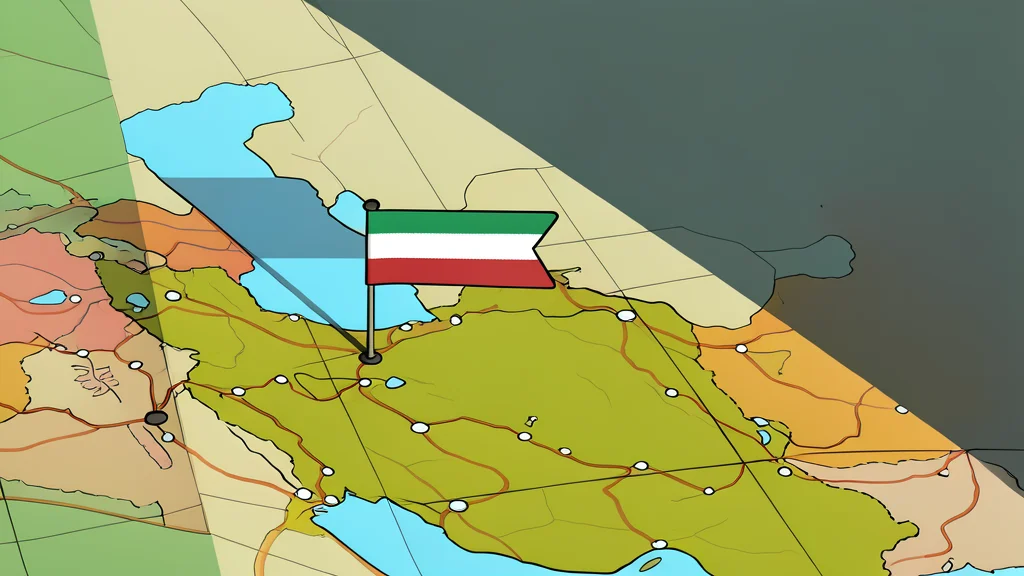
Diplomatic friction is mounting in the Gulf region as a scheduled high-level meeting between Iran and the Gulf Cooperation Council has been postponed. According to the Iranian Foreign Ministry, Saudi Arabia requested the delay of the gathering in Oman, leaving the future trajectory of regional alliances uncertain. This development occurs against a backdrop of heightened security concerns, with Yemen’s Houthis continuing operations in the Red Sea that have disrupted shipping lanes and raised alarm among Gulf states.
Simultaneously, tensions surrounding nuclear oversight remain acute. Reports indicate that Iran’s top nuclear official, Mohammad Eslami, was blocked from attending the International Atomic Energy Agency conference in Vienna following pressure from the United States. While a lower-level representative may still participate, the exclusion of such a senior figure underscores the deepening rift in international nuclear diplomacy. The combination of stalled diplomatic talks and restricted nuclear dialogue suggests a period of sustained instability in the region.
Diplomatic Channels Face Stalled Progress
The postponement of the Tehran-GCC meeting in Oman marks a significant setback for regional cooperation. Iran’s Foreign Minister stated that Saudi Arabia initiated the request for the delay, a move that has left observers analyzing the implications for broader Gulf solidarity. The uncertainty surrounding these alliances is compounded by ongoing security incidents, including the arrest of an individual in Hebron planning an immediate shooting attack, which highlights the persistent threat environment in the Levant.
Analysts note that the situation is not merely a bilateral dispute but part of a wider strategic recalibration. The inability to convene key leaders for dialogue suggests that trust deficits remain significant. As regional actors navigate these diplomatic hurdles, the lack of a clear path forward for cooperation creates a vacuum that could be exploited by non-state actors or lead to further unilateral actions by state parties.
Nuclear Oversight and International Pressure
The exclusion of Iran’s nuclear chief from the IAEA conference in Vienna reflects the intensifying pressure from Western powers. According to reports, US influence played a key role in barring Eslami from addressing the opening of the event. This move signals a hardening of the international stance on nuclear compliance and transparency, potentially complicating future negotiations or verification processes. The incident highlights the growing disconnect between Tehran and the international community regarding nuclear governance.
This diplomatic isolation comes at a critical time when technical discussions are essential for maintaining global non-proliferation standards. The absence of senior Iranian voices from such forums reduces opportunities for de-escalation and direct communication. Consequently, the risk of miscalculation increases, as both sides operate with limited channels for verifying intent and capabilities. The situation underscores the fragility of the current nuclear architecture in the region.
Maritime Security and Regional Consequences
Maritime security in the Red Sea and Gulf remains a primary concern for regional economies. The Houthis’ continued control of the coastline has left Gulf states with difficult strategic choices regarding their response. Shipping traffic through the Strait of Hormuz has remained below the ten-day average, indicating ongoing disruption to energy flows. These economic pressures are further exacerbated by recent strikes on infrastructure, including reports of damage to the Saudi East-West pipeline, which pose significant risks to global energy markets.
The interplay between maritime instability and diplomatic stalled talks creates a complex security landscape. Gulf nations must balance their economic interests with their security commitments, often leading to cautious or delayed responses. As the Houthi presence persists, the prospect of further escalation remains high, with potential consequences extending beyond the immediate region to global trade routes. The situation demands a coordinated regional approach to mitigate economic losses and restore stability.