Gulf Diplomatic Pause and Pipeline Damage Strain Energy Markets
A scheduled regional meeting on Strait of Hormuz governance has been postponed, coinciding with ongoing disruptions to Saudi oil exports and rising global energy prices.
Middle East diplomatic efforts appear to have stalled as a planned gathering between Iran and Persian Gulf states was postponed, according to reports from the GN auto geopolitics/middle-east desk. The meeting, originally scheduled for Monday, was intended to present a joint agreement with Oman regarding the governance of shipping routes through the Strait of Hormuz. Instead, officials indicated that the session was delayed to allow for further consensus-building among regional actors.
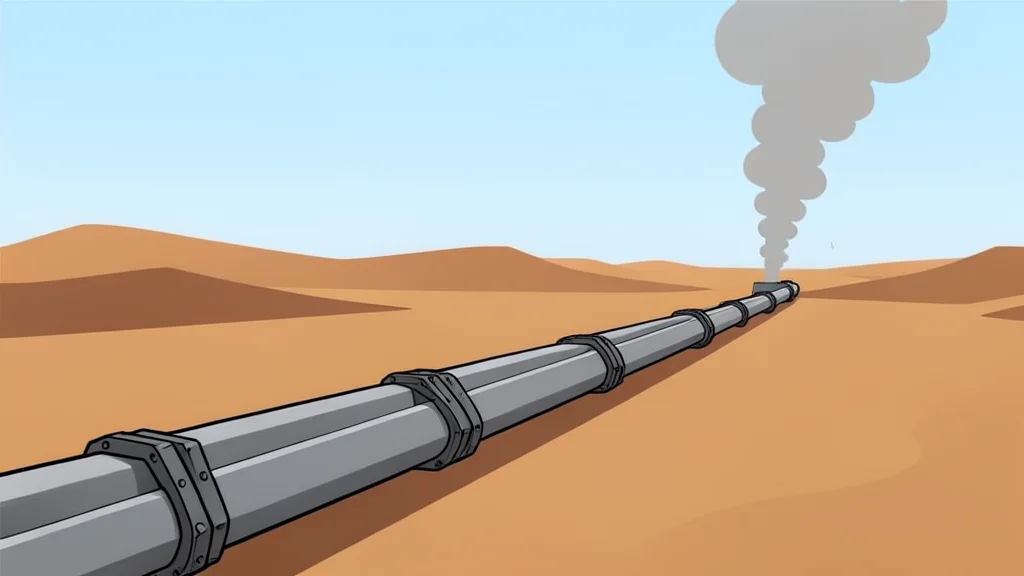
This diplomatic pause comes amid heightened concerns over global energy security. Saudi Arabia has kept a critical east-west pipeline closed following drone strikes, while the Strait of Hormuz continues to face security threats, including reports of vessels under attack. As a result, oil prices have surged, with retail diesel costs in the United States reaching record highs, reflecting the fragility of supply chains in the region.
Regional consensus delays key gathering
Oman’s Foreign Minister, Sayyid Badr Albusaidi, announced late Sunday that the regional meeting had been postponed in the interests of consensus. Iranian officials, citing the Fars news agency, stated that the delay was a joint decision made at the request of some regional countries. Tehran indicated it would coordinate with Muscat to determine a suitable new date, suggesting that the framework for agreement remains intact but requires further negotiation time.
The postponement follows a period of intense diplomatic activity aimed at stabilizing shipping lanes in one of the world’s most critical chokepoints. While the delay may frustrate those seeking an immediate resolution, it also signals a cautious approach by key stakeholders who are weighing the geopolitical implications of any binding agreement on maritime governance.
Pipeline damage threatens export capacity
Saudi Arabia’s decision to shut down its main oil pipeline bypassing the Strait of Hormuz has raised alarms among traders and buyers. According to sources, the kingdom has sufficient reserves at its Red Sea port of Yanbu to maintain exports for only five to seven days if the pipeline remains offline. This vulnerability threatens a significant portion of global oil supply, adding to the pressure already felt from disrupted traffic through the strait.
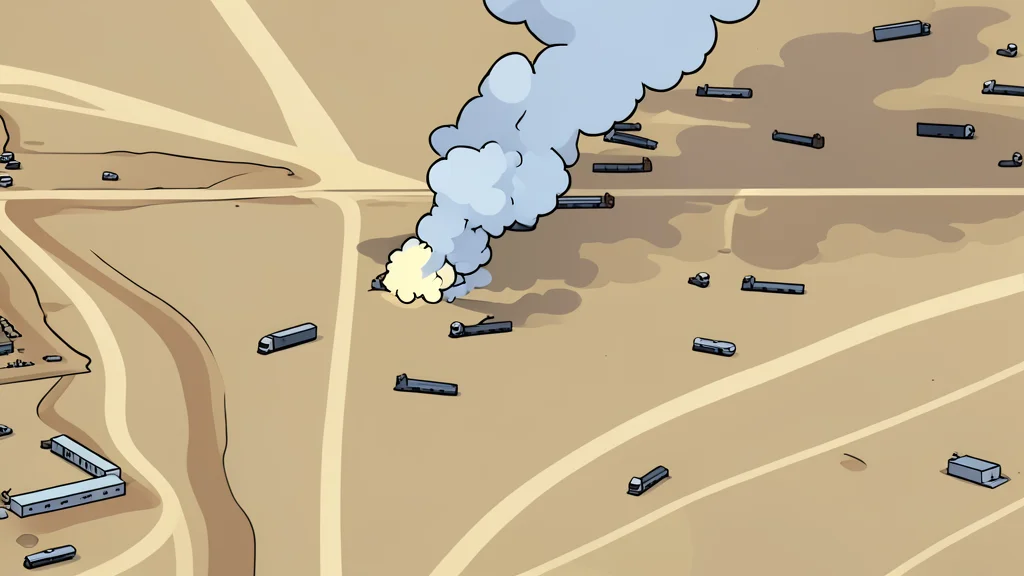
Satellite imagery has revealed significant smoke rising from locations along the pipeline route, indicating the scale of the damage. Estimates for repair times vary widely, ranging from days to weeks, with officials providing conflicting details on the extent of the infrastructure impact. This uncertainty has contributed to a sharp spike in oil prices, which recently exceeded $100 per barrel for the first time since July.
Market volatility reflects security risks
The British maritime security agency UKMTO reported that a vessel was struck by a projectile in the Strait of Hormuz, causing a fire and forcing the evacuation of the crew. Iran also reported casualties on a commercial vessel struck off its coast. These incidents underscore the persistent security risks facing oil shipping in the region, which has become a focal point of broader geopolitical tensions.
As the situation evolves, the forward question centers on whether the postponed diplomatic track can resume effectively before supply constraints become critical. Observers are watching for signals from both Tehran and Riyadh regarding repair timelines and the potential for renewed negotiations, as the balance between diplomatic resolution and military escalation continues to shift.