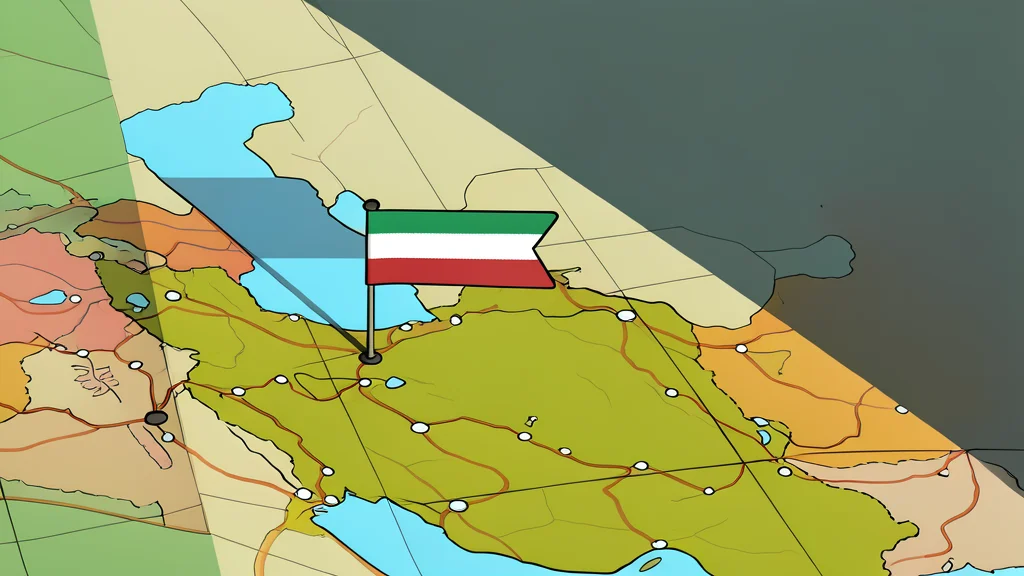
Gulf Diplomatic Pause Raises Regional Security Concerns
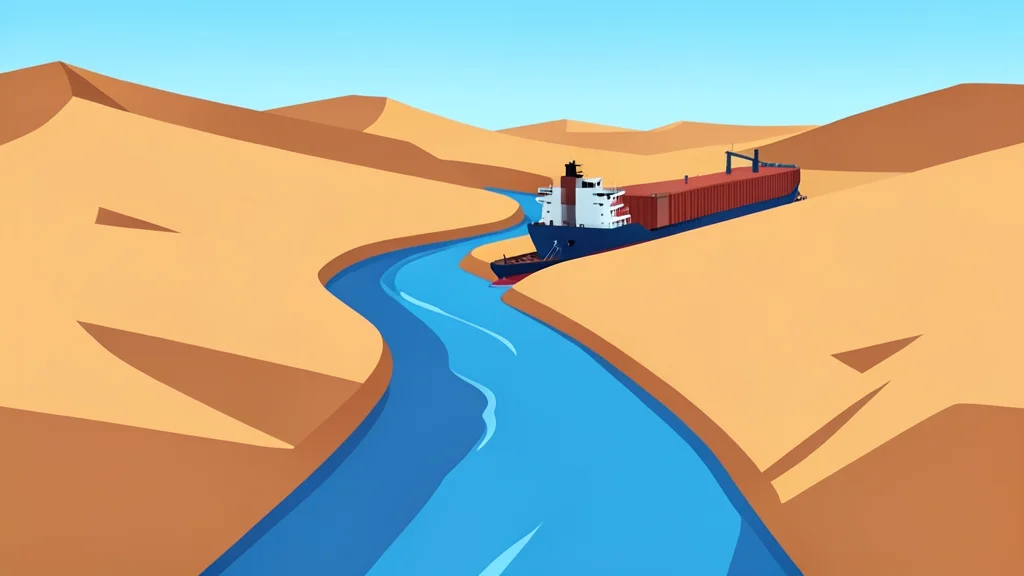
Tensions in the Gulf have intensified as planned talks between Iran and regional neighbors were delayed, coinciding with renewed attacks on critical energy infrastructure. This development has heightened anxiety regarding global oil supply chains and the stability of key shipping corridors.
Diplomatic efforts to stabilize the Middle East have hit a significant setback as a scheduled meeting between Iran and Gulf Arab states was postponed. According to reporting by GN auto geopolitics/middle-east: Middle East diplomacy, the delay was announced late Sunday by Omani officials, who cited the need for broader consensus among participants. This move has effectively suspended a potential breakthrough that was expected to address tensions in the region’s most critical waterways.
The postponement comes at a precarious moment, with physical security concerns mounting across the area. Attacks on shipping lanes and energy infrastructure have deepened fears over the continuity of oil flows. The timing suggests that diplomatic channels are struggling to keep pace with the escalating military and economic pressures facing the Gulf states.
Energy prices react to supply fears
Global markets responded sharply to the deteriorating security environment. Oil prices surged more than three percent on Monday, reflecting investor anxiety over potential disruptions to supply. This spike was driven by a series of incidents, including strikes on Saudi Arabia, the world’s largest oil exporter. These attacks compounded existing concerns about the reliability of the region’s energy output.
A particularly concerning development was the closure of Saudi Arabia’s major east-west pipeline, a vital artery for transporting crude oil. The closure, forced by an attack over the weekend, underscores the vulnerability of land-based energy infrastructure. Combined with attacks on vessels in the Gulf, these events have created a multi-front challenge to energy security that markets are now pricing in.
Strait of Hormuz talks suspended
The postponed gathering was intended to present a framework for governing shipping routes through the Strait of Hormuz. Iranian officials had indicated they would attend to discuss an agreement with Oman on this matter. The strait is a chokepoint of immense strategic importance, carrying roughly a fifth of the world’s oil supplies before the current conflict. The delay leaves this critical issue unresolved.
Oman’s foreign minister stated that the meeting was deferred in the interests of consensus. This diplomatic phrasing suggests that disagreements among the invited parties may have made a productive discussion difficult to achieve in the short term. The absence of a formal agreement on shipping governance adds another layer of uncertainty to an already volatile security landscape.
Regional stability remains uncertain
The convergence of diplomatic stalling and physical attacks creates a complex puzzle for regional leaders. The inability to secure a meeting on Hormuz governance while infrastructure is under threat suggests that trust is fraying among key stakeholders. Observers note that the lack of a clear diplomatic path forward may further empower actors who benefit from the status quo of tension and risk.
Looking ahead, the focus will remain on whether alternative diplomatic channels can be opened to replace the cancelled talks. The next few days will be critical in determining if the current standoff persists or if a new mechanism for dialogue can be established. The resilience of global energy markets will depend heavily on the speed and effectiveness of any such diplomatic recovery.