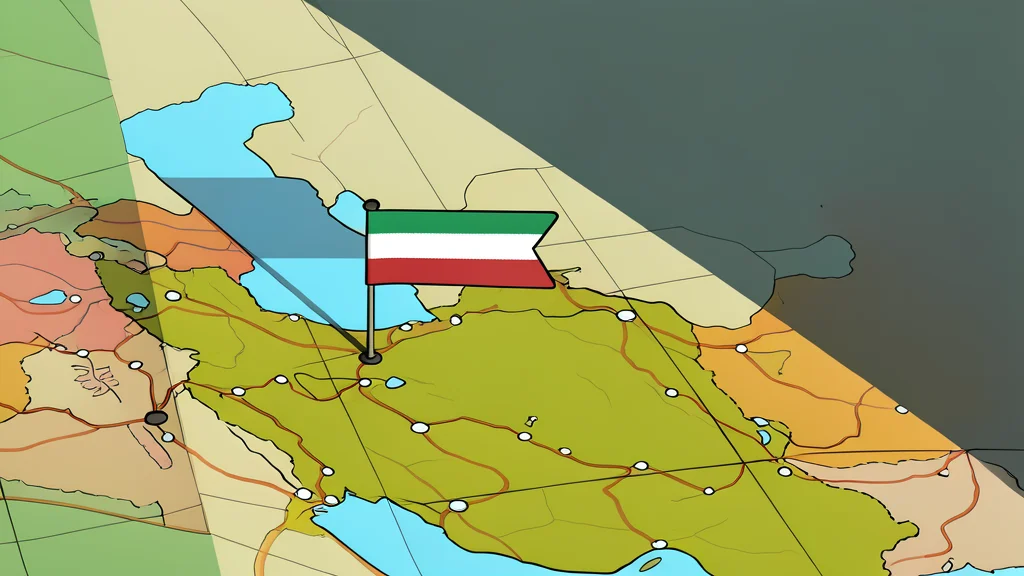
Houthis Report Surge in Saudi Airstrikes Amid Regional Escalation

Yemen’s Houthi movement claims more than 50 Saudi airstrikes in a single day, a sharp escalation following their own missile attacks on Saudi territory and the capture of key Red Sea coastal areas.
Yemen’s Houthi movement has reported a significant intensification of military activity, claiming that Saudi Arabia launched more than 50 airstrikes against their positions within a 24-hour period. According to the group’s military spokesman, Yahya Saree, the strikes targeted various locations, marking a notable shift from previous engagements that primarily focused on front lines. This development comes after the Iran-backed group executed its heaviest missile and drone attack in years against Saudi Arabia, which the Houthis stated targeted weapons depots and command centers.
The recent surge in violence follows a week-long Houthi offensive that resulted in the group securing control of Yemen’s Red Sea coastline. By cementing their hold on the Bab al-Mandab Strait, a vital artery for global oil exports, the Houthis have significantly altered the strategic landscape of the region. With the Strait of Hormuz remaining closed due to ongoing tensions between the United States and Iran, the stability of the Red Sea corridor has become a central focus for energy security and regional diplomacy.
Escalating Combat Along the Border
The Houthis have documented over 100 strikes against their positions since Tuesday, although Riyadh has not officially confirmed these figures. Almasirah TV, the group's state-aligned channel, reported specific incidents including strikes on Saada, a Houthi stronghold, and artillery fire in the border district of Monabbih. Additionally, reports emerged of two Saudi strikes on a market in the northern Al-Jawf province. The Saudi civil defence agency has issued brief alerts for southern regions near Yemen, such as Abha and Khamis Mushait, indicating ongoing defensive preparations.
Saudi Arabia has maintained a policy of limited public disclosure regarding the Houthi attacks on its territory, issuing only brief warnings of potential threats. Earlier this week, the Houthis claimed responsibility for an attack on the Sharurah military base in southern Saudi Arabia. The group stated that the operation targeted infrastructure they described as managing aggression against Yemen. Meanwhile, the Saudi side reported that two individuals were injured after a projectile fell in the Jizan region, highlighting the persistent risks along the shared border.
Humanitarian Crisis Deepens in Yemen
The renewed hostilities have triggered a severe humanitarian crisis, with the United Nations reporting that nearly 86,000 people have been displaced in recent weeks. This figure represents a sharp increase of 10,000 from the previous day, underscoring the rapid deterioration of the situation on the ground. The International Organization for Migration noted that the pressure of the conflict is driving some residents to flee Yemen entirely, with more than 2,000 individuals reported to have reached Djibouti.
Yemen’s civil war, which began in 2014 when the Houthis seized the capital and forced out the internationally recognized government, has already claimed hundreds of thousands of lives. After a period of relative calm following a UN-brokered ceasefire in 2022, the conflict reignited in July when the Houthis declared a maritime blockade on Saudi Arabia. The current escalation draws Yemen into the broader Middle East war, a conflict that intensified following US and Israeli strikes against Iran in late February.
Diplomatic Efforts and Regional Tensions
According to reports from Axios, Saudi Crown Prince Mohammed bin Salman made multiple attempts to request US support for strikes against the Houthis last week. These requests were reportedly rejected by President Donald Trump, suggesting a continued reluctance by Washington to directly intervene in the ground conflict despite the regional stakes. The source of this information, GN auto geopolitics/middle-east: Yemen conflict, highlights the complex diplomatic calculations surrounding the crisis.
As the situation evolves, attention turns to the potential for further escalation in the Red Sea and the impact on global energy supplies. The closure of the Strait of Hormuz and the instability in the Bab al-Mandab Strait create a precarious environment for international shipping and trade. Observers are closely watching for any signs of direct confrontation between major powers or further shifts in Houthi control over critical maritime infrastructure.