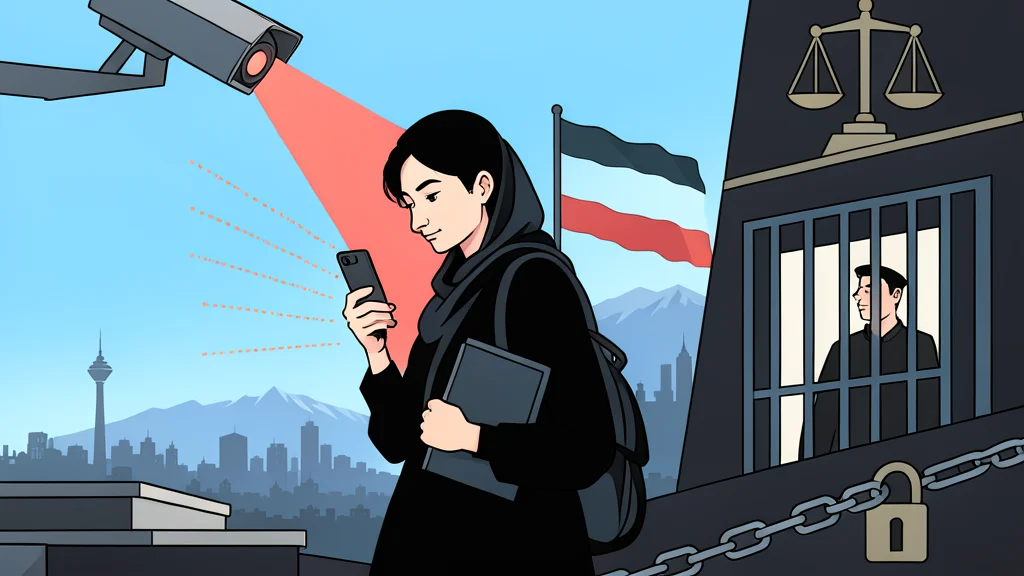
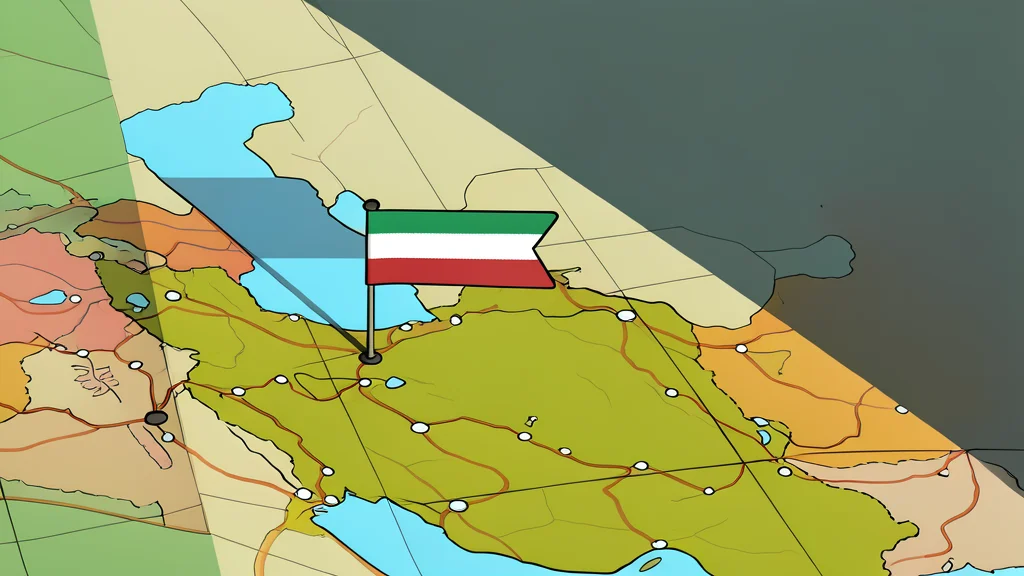
Iran Defends Underground Nuclear Sites Amid Ongoing Security Tensions
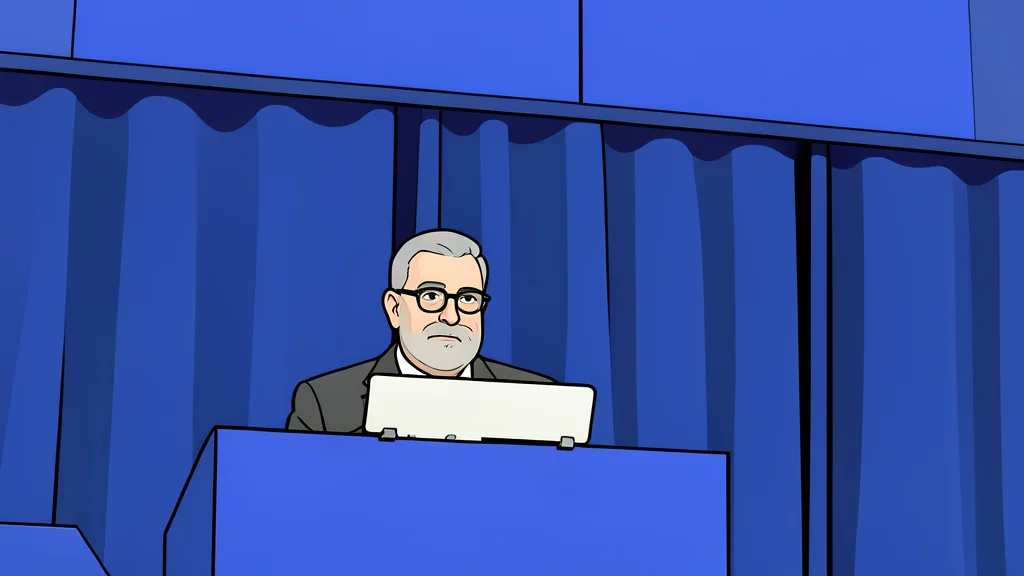
Tehran asserts that physical security measures for its nuclear infrastructure are a necessary response to regional threats, challenging the international community to distinguish between defense and concealment.
During a recent address to the International Atomic Energy Agency in Vienna, Iranian officials maintained that the relocation of sensitive nuclear facilities to secure underground sites is a pragmatic security measure rather than an act of opacity. Behrouz Kamalvandi, the spokesman for the Atomic Energy Organization of Iran, argued that given the persistent threats of military aggression, protecting vital infrastructure is a standard sovereign obligation. This stance reflects a broader shift in Tehran's diplomatic posture, which seeks to frame its nuclear program as a defensive necessity born from decades of external pressure and unreliable international partnerships.
The comments were delivered against a backdrop of heightened regional tension, specifically following what Iranian media described as aggressive actions by the United States and Israel targeting safeguarded nuclear sites. According to reports from GN auto geopolitics/middle-east: Iran nuclear, these developments have occurred while the IAEA has been accused by Tehran of inaction. Kamalvandi emphasized that while the physical location of these facilities has changed to ensure safety, the sites have remained subject to IAEA monitoring and inspection, aiming to reassure the international community that transparency has not been compromised by the need for physical defense.
Historical context of nuclear diplomacy
Tehran traces its current nuclear posture to a long history of diplomatic friction, citing more than two decades of sanctions and broken contractual commitments. Officials noted that Iran’s nuclear technology predates the current administrative bodies by several decades, underscoring a long-term indigenous capability that they argue should be respected. The narrative presented in Vienna highlights a period of intense negotiation under the Joint Comprehensive Plan of Action, where Iran claims to have honored its commitments even after the United States withdrew from the agreement. This historical grievance serves as the foundation for Tehran’s current insistence on self-reliance in nuclear defense.
Challenges to international oversight standards
The Iranian delegation also directed criticism toward the IAEA’s handling of recent geopolitical events, alleging that the agency’s statements have inadvertently provided pretexts for military action against Iran. Kamalvandi questioned the consistency of the agency’s inspections, pointing out that repeated checks have not yielded findings of nuclear material diversion. By calling for the IAEA to condemn attacks on nuclear facilities and to treat Iran equally with other member states, Tehran is urging a recalibration of international oversight that accounts for the specific security environment of the Middle East.
Future of regional security dynamics
As negotiations for a return to previous diplomatic frameworks remain stalled, the focus shifts to how the international community will interpret Iran’s defensive infrastructure. The upcoming period will likely see continued tension between demands for maximalist transparency and Iran’s insistence on sovereign security. Observers will closely watch whether the IAEA can maintain its mandate as a neutral arbiter or if it becomes further entangled in the geopolitical disputes that have defined the region in recent months.