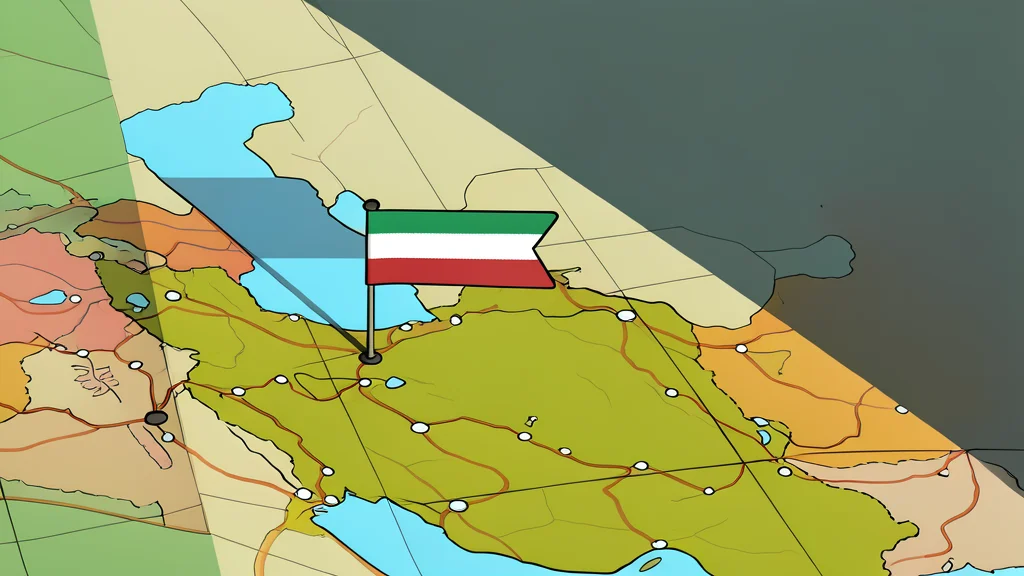
Iran-Gulf Diplomatic Talks Delayed Amid Energy Supply Crisis
Regional diplomatic efforts have stalled as a key meeting between Iran and Gulf states is postponed, coinciding with escalating threats to critical oil transit routes and rising global energy prices.
Diplomatic momentum in the Middle East has appeared to stall heading into Monday, with the postponement of a significant gathering between Iran and several Gulf powers. This delay comes at a critical juncture, as attacks on the region’s two most vital oil transit routes have intensified concerns over global energy security. The decision to push back the talks, initially scheduled for Monday, was announced late Sunday by Oman’s foreign minister, Sayyid Badr Albusaidi, who cited the need to preserve consensus among participants.
The postponement occurred against a backdrop of rising tensions and market volatility. Oil prices surged by more than three percent on Monday, driven by Houthi strikes on Saudi Arabia that forced the closure of its major east-west pipeline. Simultaneously, Iranian attacks on vessels in the Gulf have compounded supply worries, creating a dual threat to both overland and maritime energy exports from the region.
Disruption of Critical Oil Transit Routes
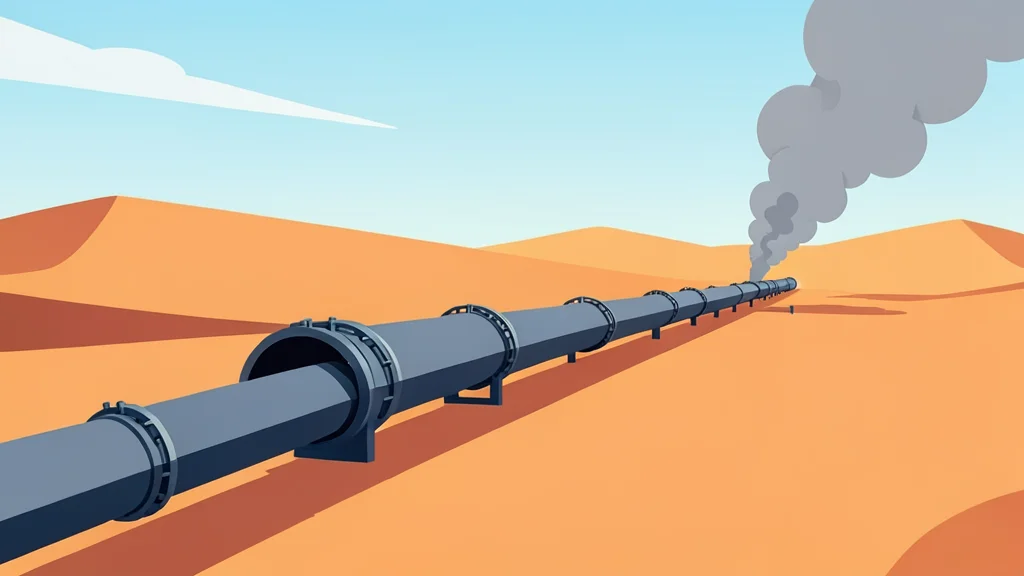
The physical infrastructure of the region’s energy sector is under unprecedented strain. Saudi Arabia has temporarily shut down its key pipeline, which serves as the primary bypass for the Strait of Hormuz. According to traders and Saudi oil buyers, Riyadh holds enough stored oil at its Red Sea port of Yanbu to maintain exports for only five to seven days if the pipeline remains offline. This creates a precarious window where up to four percent of global oil supply could be jeopardized, in addition to the millions of barrels already lost to maritime disruptions.
Maritime security in the Strait of Hormuz has also deteriorated. The British maritime security agency UKMTO reported on Sunday that a vessel was struck by a projectile while transiting the strait, resulting in a fire and the evacuation of the crew. Meanwhile, Iranian officials stated that one person was killed and four crew members were wounded aboard an Iranian commercial vessel hit off its coast. Preliminary shiptracking data indicates that commodity vessel transits through the strait have dropped to single-digit numbers per day, a sharp decline from the recent average.
Diplomatic Stalemate and Regional Coordination
The delay in talks highlights the fragility of regional consensus. Iranian officials, citing a foreign ministry official via the Fars news agency, indicated that the postponement was requested by some regional countries and decided jointly by Tehran and Muscat. Iran had planned to present an agreement with Oman on governing shipping routes through the Strait of Hormuz, a waterway that historically carried about a fifth of global oil supplies. The decision to reschedule suggests that alignment among Gulf states and Iran remains elusive.
Iran’s Foreign Minister, Abbas Araqchi, maintained a hardline stance in a recent interview, stating that despite any agreement with Oman, Iran would not reopen the strait until the United States satisfies Tehran’s demands. This position stands in contrast to the diplomatic efforts aimed at stabilizing the region. The recent uptick in violence follows a relatively quiet August, during which oil flows had begun to recover, indicating that the current crisis represents a significant escalation in the broader conflict.
Global Market Impact and US Response
The geopolitical instability is translating directly into economic consequences. Oil prices crossed the $100 mark last week for the first time since July, while the retail price of diesel fuel in the United States hit a new all-time high above $6.20 per gallon on Sunday. These price spikes reflect the market’s reaction to the combined threats from the closed Saudi pipeline and the hazardous conditions in the Strait of Hormuz.
The situation also underscores the challenges facing US policy objectives. President Donald Trump’s administration launched "Operation Epic Fury" in February with goals to end Iran’s nuclear program and prevent regional attacks. However, the current diplomatic impasse and continued violence suggest that these objectives have not been fully achieved. The focus now shifts to how long the infrastructure damage will persist and whether diplomatic channels can be reopened to stabilize the energy supply.