IAEA Refers Iran Nuclear Dispute to UN Security Council
The International Atomic Energy Agency has formally referred Iran's nuclear program to the UN Security Council, marking a significant escalation in the long-standing diplomatic standoff.
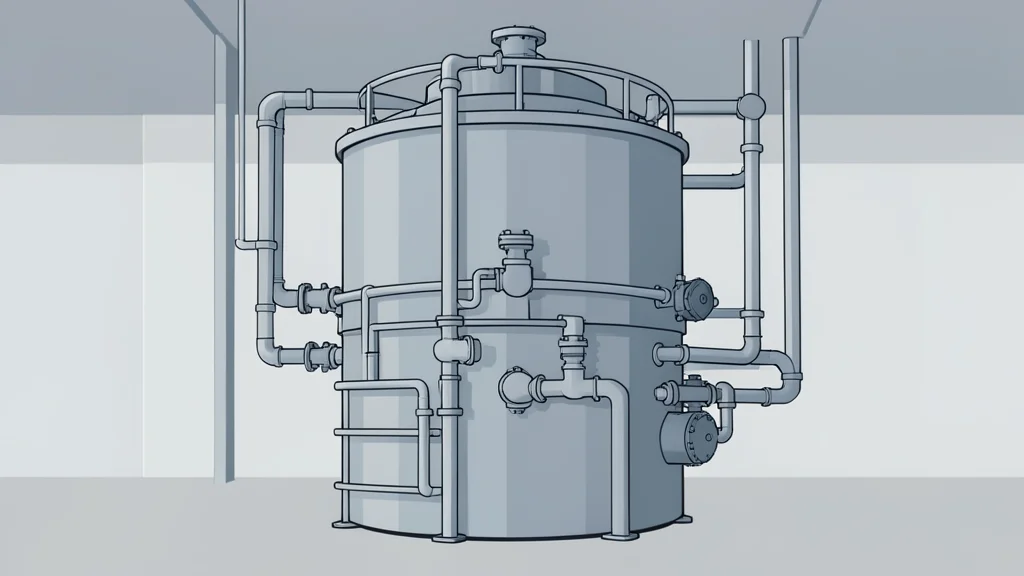
The International Atomic Energy Agency has adopted a resolution referring Iran’s nuclear activities to the United Nations Security Council, citing the country’s failure to meet its obligations regarding nuclear development. The vote took place at a board meeting in Vienna, where the measure was submitted by the United States, Britain, France, and Germany. According to the IAEA, uranium was detected in locations within Iran that Tehran had not declared, leading the agency to declare the nation non-compliant with its information-sharing obligations as early as June of last year.
Diplomatic Division Emerges in Vienna
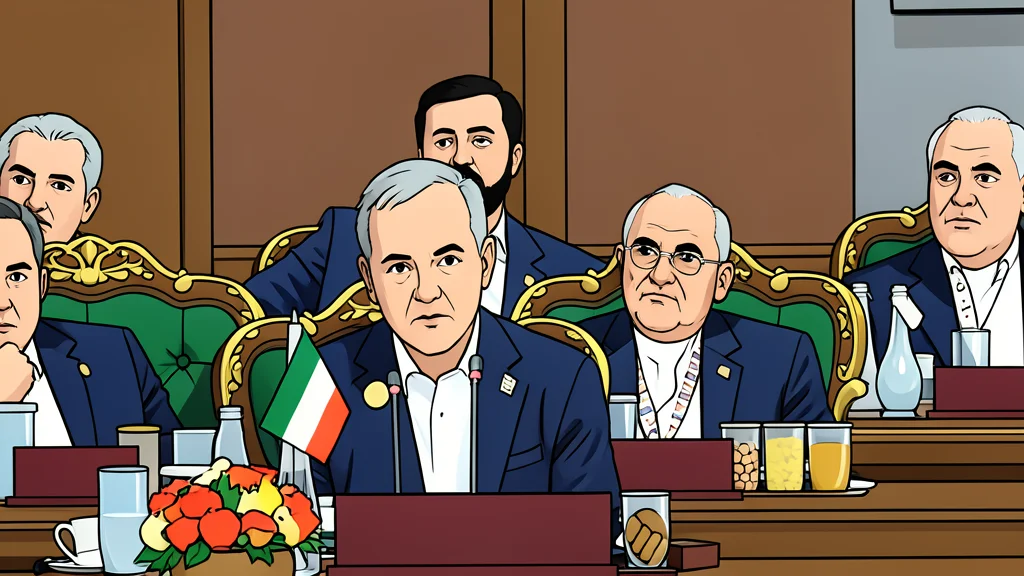
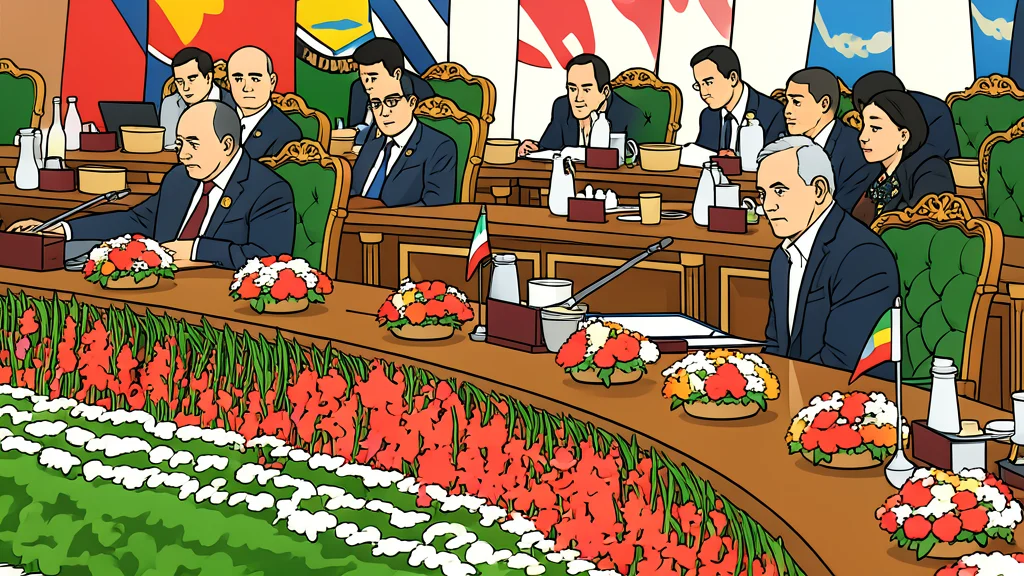
The vote revealed a distinct split among the member states. Diplomatic sources indicate that three countries, including Russia and China, opposed the resolution, while twenty-three nations, including Japan, voted in favor. This is the first time since 2006 that the IAEA board has adopted such a referral measure. Iran’s mission in Vienna reacted sharply to the outcome, describing the action as a political resolution that was adopted without consensus. The agency’s findings suggest that Tehran has not fully addressed the concerns raised regarding the undeclared nuclear material and the lack of transparency in its reporting.
Security Council Veto Powers Limit Outcomes
Despite the formal referral, analysts note that the likelihood of new sanctions or concrete punitive actions remains low. Russia and China hold veto power in the Security Council, which effectively blocks any binding resolutions that they do not support. Consequently, the resolution may serve more as a diplomatic signal of international concern rather than a trigger for immediate enforcement mechanisms. The geopolitical dynamics suggest that the issue will remain a point of contention in multilateral forums, with the permanent members of the Security Council maintaining their protective stances toward their respective interests in the region.
Forward Look on Nuclear Compliance
The next steps will likely involve continued diplomatic engagement and potential further inspections, although the scope of these actions may be constrained by political realities. Observers will watch for any changes in Iran’s reporting behavior or new declarations regarding its nuclear facilities. According to the GN auto geopolitics/middle-east: Iran nuclear desk, the situation remains fluid, with the potential for both de-escalation and further tension depending on how the major powers navigate their competing interests in the coming months. The core question remains whether technical compliance can be achieved through dialogue or if the dispute will become entrenched in broader strategic rivalries.