Iranian Lawmakers Push for NPT Withdrawal Process
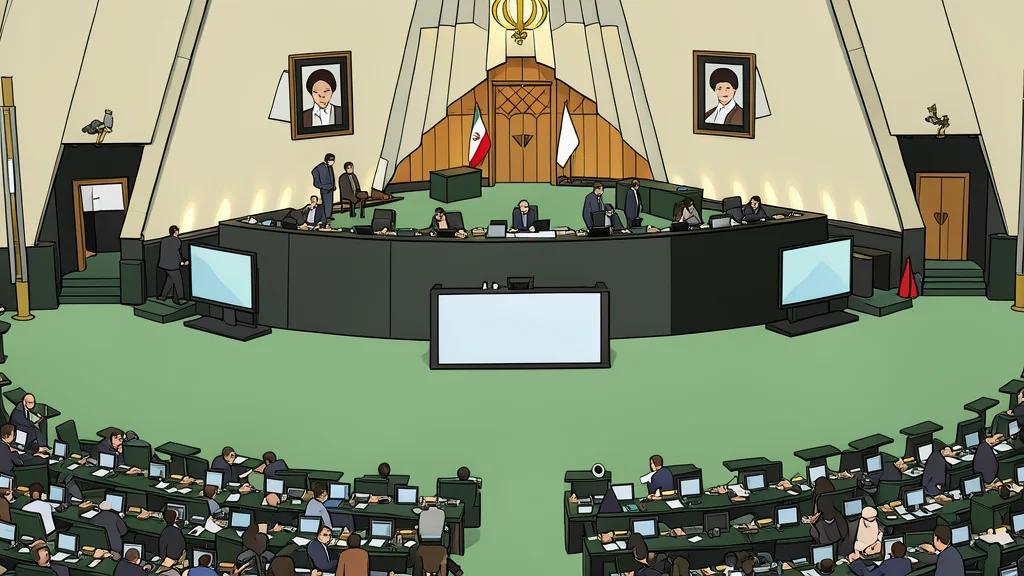
A bloc of 130 Iranian parliamentarians has signed a statement urging the immediate initiation of legal procedures to exit the Nuclear Non-Proliferation Treaty, citing systemic security failures.
Tehran — A significant faction within the Iranian parliament has moved to challenge the country’s foundational nuclear commitments. According to reporting from the GN auto geopolitics/middle-east: Iran nuclear desk, 130 lawmakers signed a joint statement on Monday calling on the presiding board of the Islamic Consultative Assembly to activate the legal process for complete withdrawal from the Nuclear Non-Proliferation Treaty (NPT).
The move marks a sharp escalation in rhetoric from Tehran’s legislative branch, framing the issue not merely as a diplomatic dispute but as a matter of existential national security. By invoking specific treaty provisions, the lawmakers are signaling a potential shift in strategy that could fundamentally alter the global non-proliferation regime.
Legislative Push for Treaty Exit
Meysam Zohourian, a member of parliament’s Economic Commission, clarified that the statement urges a reconsideration of Iran’s membership status. The lawmakers argue that the reciprocal balance between non-proliferation commitments and the guarantee of member rights has collapsed. They contend that international mechanisms have failed to protect Iran’s rights, security, and peaceful nuclear infrastructure, necessitating a formal legal exit in the shortest possible time.
Beyond the call for withdrawal, the statement advocates for expanded scientific, technical, and legal cooperation with nations described as like-minded. This suggests a broader strategic realignment, where Tehran may seek to build alternative technical networks outside the current Western-dominated verification and cooperation frameworks.
Citing Security Failures and Sabotage
The legislative bloc identified four primary drivers for the proposed withdrawal. These include the failure of international mechanisms to protect nuclear facilities, organized sabotage and attacks on infrastructure, the assassination of nuclear scientists, and what they describe as the misuse of inspections. The lawmakers assert that accepting maximum supervision has not enhanced security but rather served as a tool for identifying and targeting Iran’s strategic assets.
They specifically cited recent conflicts and threats from United States and Israeli officials as evidence of the limitations of existing safeguards. In their view, the current international order offers no shield against military threats, rendering the treaty’s protections illusory for Tehran. This narrative reinforces the argument that only sovereign control over nuclear capabilities can guarantee national safety.
Legal Basis and Diplomatic Implications
The statement explicitly invokes Article X of the NPT, which permits a state to withdraw if it determines that extraordinary events have jeopardized its supreme national interests. While the provision requires a notifying period and specific procedural steps, its invocation signals a serious intent to leave the treaty framework. Tehran has also criticized the International Atomic Energy Agency, alleging that its inspections have evolved into a mechanism for political pressure and industrial espionage rather than pure verification.
The diplomatic fallout could be severe, potentially leading to further isolation and accelerated sanctions. However, for the signatories, this represents a calculated response to perceived structural discrimination. As international observers watch, the next few weeks will be critical to determine whether this legislative pressure translates into executive action, potentially triggering a new phase in the region’s nuclear dynamics.