Israel's Diplomatic Pivot Toward Smaller Allies Amid European Tensions
While Israel inaugurates new embassies in Ljubljana and with Nauru, it faces coordinated sanctions from the UK and other Western nations, signaling a significant shift in its foreign policy landscape.
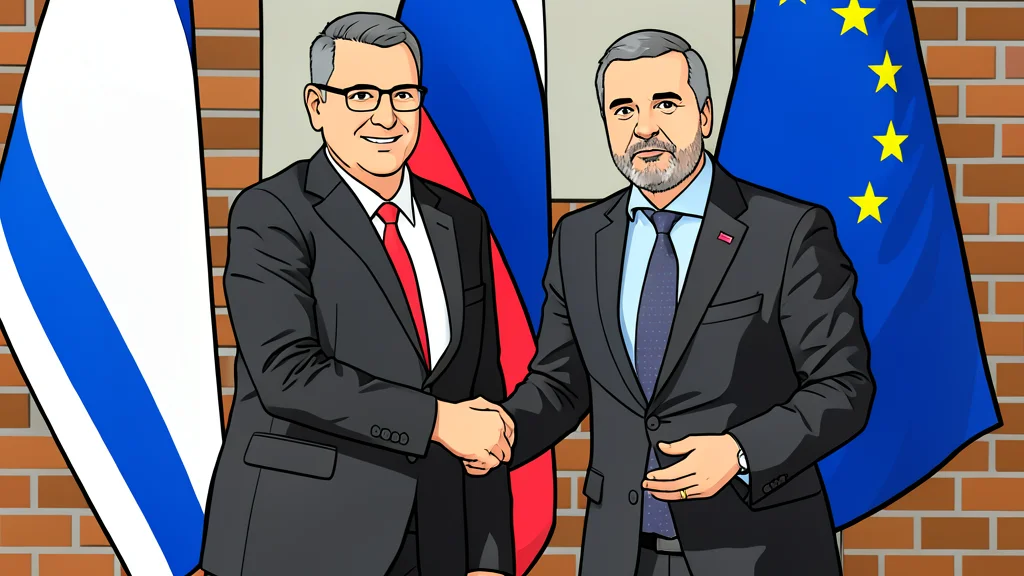
Israel’s foreign minister Gideon Saar recently presided over the inauguration of a new embassy for Nauru in Jerusalem, describing the Pacific island nation as a major friend of Israel. Shortly after, he opened a new diplomatic mission in Ljubljana, Slovenia, praising the country’s right-center government for its supportive stance within the European Union. These celebrations highlight a deliberate effort to strengthen ties with smaller states that align more closely with Israel’s current political direction.
In stark contrast, Israel is experiencing a significant diplomatic chill with traditional Western partners. The United Kingdom, alongside eleven other nations, has imposed sanctions and trade restrictions on Israeli settlements in the West Bank. This move has left the post of Israel’s ambassador to London vacant for nearly a year, as the intended envoy is unable to leave the country due to a criminal investigation. According to reporting from GN auto geopolitics/global: sanctions policy, this divergence marks a broader realignment in Israel’s international relationships.
Western Europe's Coordinated Sanctions
UK Foreign Secretary Ed Miliband linked the recent sanctions directly to Israel’s advancement of the E1 settlement project, which critics argue would fragment the West Bank. This action follows a broader trend in late 2025, when several major Western nations, including Britain, Canada, and France, recognized Palestinian statehood. Furthermore, a coalition of six nations announced a wave of targeted sanctions against individuals and networks accused of enabling settler violence, indicating a sustained shift in European policy toward accountability.
Several European countries have taken individual punitive measures, such as France barring entry to Israeli Finance Minister Bezalel Smotrich and the Netherlands declaring both Smotrich and National Security Minister Itamar Ben Gvir persona non grata. Italy has also opened an investigation into Ben Gvir following the treatment of detained activists. These coordinated efforts reflect a growing frustration among long-standing allies regarding settlement expansion and security operations in the occupied territories.
Shifting Influence Within the EU
Israel has historically relied on Hungary to block unfavorable EU measures, but with a change in leadership in Budapest, Slovenia has effectively assumed that role. According to Dr. Rémi Daniel from the Institute for National Security Studies, the center of gravity in the EU is moving further against Israel, even if Germany and Italy have not yet joined the sanctions. This shift suggests that Israel’s ability to neutralize broader European initiatives is weakening as traditional blockers lose political capital or change governments.
Deepening Defense Ties With Neighbors
Despite diplomatic friction in Europe, Israel is deepening security partnerships in the region and with key European states through major defense contracts. Last month, Israel signed a $3.5 billion air-defense deal with Greece, one of the largest arms agreements in its history. Additionally, Israel Aerospace Industries recently concluded a $3.1 billion contract with Germany to expand the supply of Arrow missile interceptor systems. These economic and security bonds serve as a counterbalance to the political tensions arising from the settlement dispute.