Pakistan Pushes for Middle East Peace Dialogue with US Envoy
Islamabad is urging a return to a fragile interim accord as regional hostilities intensify and global energy routes face disruption.
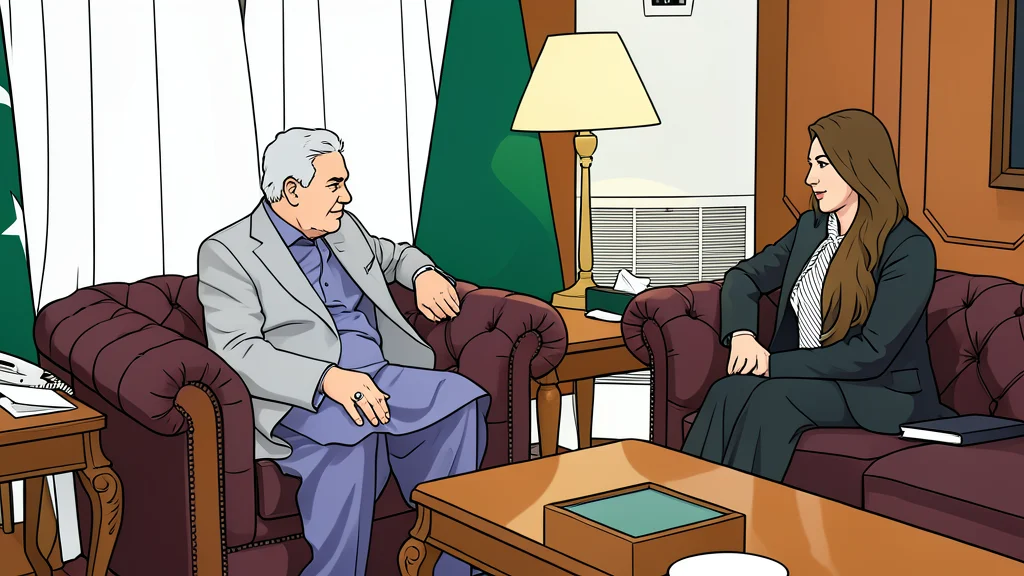
Pakistan’s Foreign Minister Ishaq Dar met with the United States Chargé d’Affaires Natalie A. Baker on Tuesday to advocate for dialogue as a primary mechanism for achieving lasting peace in the Middle East. According to the Pakistani foreign ministry, the discussions centered on bilateral cooperation and the urgent need to de-escalate regional tensions. The meeting took place against a backdrop of renewed hostilities between Washington and Tehran, which have significantly disrupted diplomatic progress in the region.
Islamabad is actively lobbying for a return to the interim agreement it helped broker in June, a framework that sought to halt military operations and establish a pathway toward a broader settlement. This diplomatic push comes as the previous understanding has unraveled, leading to increased pressure on key strategic waterways and energy markets. The Pakistani government maintains that diplomacy remains the only sustainable route to resolving the conflict.
Regional tensions escalate in strategic waters
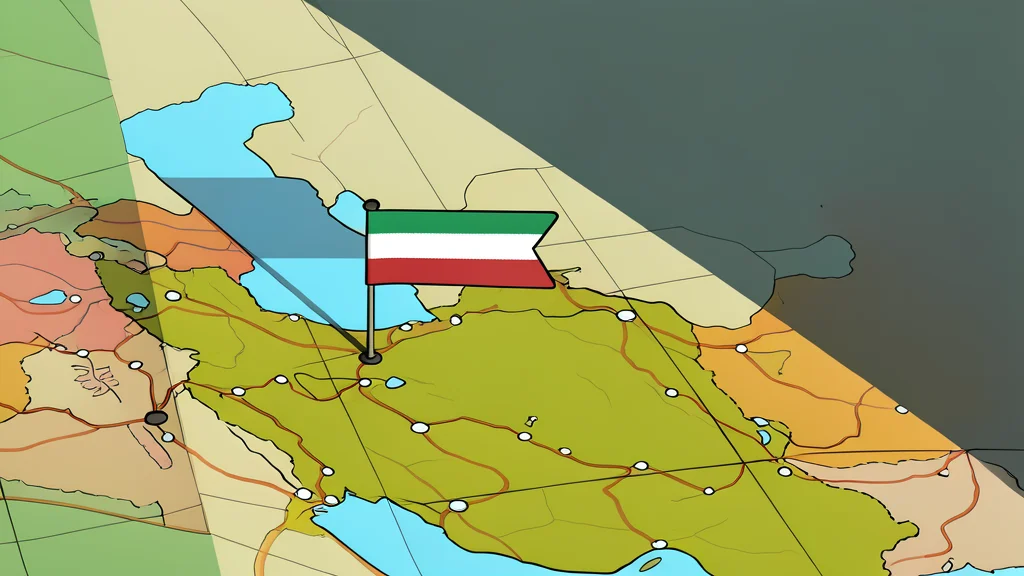
Hostilities have intensified in the Strait of Hormuz, a vital artery for global oil and liquefied natural gas supplies. Vessels in the channel have faced repeated attacks as Tehran seeks to maintain leverage over the waterway. In response, the United States has implemented a counterblockade of Iranian ports, further disrupting global energy supplies and adding volatility to international markets. This maritime standoff represents a critical flashpoint in the broader regional conflict.
Beyond the strait, pressure is mounting elsewhere in the region. Yemen’s Iran-backed Houthis have targeted civilian areas in Saudi Arabia with ballistic missiles and drones. Saudi authorities report that several people were injured in these attacks, highlighting the widening scope of the conflict. The convergence of maritime and land-based hostilities complicates efforts to contain the crisis and protect regional stability.
Diplomatic efforts focus on interim accord
Pakistan, which led a diplomatic push alongside Saudi Arabia, Qatar, and Turkey to end the conflict that began in late February, continues to champion the June interim deal. Foreign Minister Dar spoke with Rafael Grossi, head of the UN nuclear watchdog, emphasizing that the implementation of the Islamabad Memorandum of Understanding remains the best course of action. Grossi indicated that technical support could be offered to facilitate compliance with the agreement’s terms.
The Islamabad MoU was designed to halt military operations and create a framework for negotiations on Iran’s nuclear program, sanctions, and regional security. It also envisaged the restoration of commercial shipping through the Strait of Hormuz and an end to military operations on other fronts, including Lebanon. According to reports from the GN auto geopolitics/middle-east desk, the current diplomatic strategy relies on reviving this framework to defuse tensions and prevent further escalation.
Forward-looking diplomatic priorities
The next phase of this crisis will likely hinge on whether the warring parties are willing to re-engage with the June framework. Observers will watch for any signs of renewed direct talks between Washington and Tehran, as well as the effectiveness of the current blockades in altering the balance of power. The role of international institutions, particularly the United Nations, in mediating a broader settlement remains a central question for regional stakeholders and global markets.