Pezeshkian Vows No Nukes but Defends Enrichment Rights at UN
Iranian President Pezeshkian declared at the UN that Tehran will not pursue nuclear weapons but will reject limits on civilian uranium enrichment.
Key points
- Pezeshkian stated at the UN that Iran will not pursue nuclear weapons but will reject limits on civilian uranium enrichment.
- The president denied targeting civilians in recent conflicts, a claim disputed by reports of missile strikes in Israel and the region.
- International concerns persist due to Iran's high-level uranium enrichment and restrictions on inspector access to nuclear facilities.
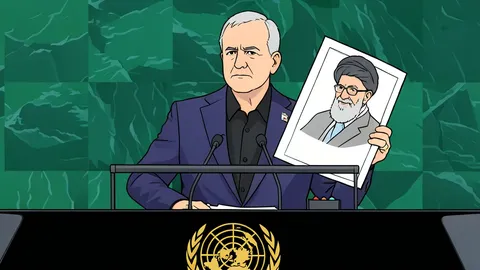
Iranian President Masoud Pezeshkian addressed the United Nations General Assembly to reaffirm Tehran's stance on its nuclear program, asserting that the country will not compromise on its right to civilian uranium enrichment. According to reports from Apa.az, Pezeshkian explicitly stated that Iran will not bow its head or relinquish rights it considers inherent, while simultaneously denying any intention to acquire nuclear weapons.
The president framed the dispute as a matter of national progress rather than military threat, insisting that peaceful nuclear technology is integral to Iran's development. He emphasized that Tehran seeks energy for advancement and does not intend to threaten other societies with weapons, a narrative that stands in contrast to international concerns regarding the scale and nature of Iran's enrichment activities.
Tensions over verification and past actions
Despite Pezeshkian's assurances, international observers point to a history of actions that have raised alarms in the global community. Iran has previously enriched uranium to levels that lack clear peaceful applications and has faced criticism for restricting access for international inspectors to its nuclear facilities. These developments have complicated diplomatic efforts to verify the purely peaceful nature of the program, leading to sustained scrutiny from Western governments and international bodies.
The debate is further complicated by Iran's expanding ballistic missile capabilities, which many analysts view as a dual-use threat. While Tehran maintains that its missile program is for defensive purposes, the range and precision of these systems have been cited by critics as evidence of potential offensive capabilities. This divergence in interpretation remains a central point of friction in ongoing geopolitical discussions involving Iran.
Rhetoric of self-defense and victimhood
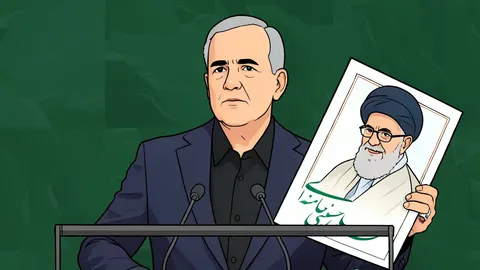
During his address, Pezeshkian invoked the memory of late Supreme Leader Ali Khamenei, whom he described as a victim of terrorism. The president displayed images of civilians killed in recent conflicts, including victims from strikes earlier in the year, to underscore what he characterized as Iran's defensive posture. He asserted that Iran responded to aggression with utmost strength but denied targeting civilian populations, a claim that contradicts reports of missile strikes affecting civilian areas in Israel and across the region.
The diplomatic atmosphere in the hall reflected the gravity of the statements, as noted by the departure of a US diplomat during the remarks. Pezeshkian further argued that Iran has not attacked any country in the last two centuries, positioning the nation as a perpetual defender rather than an aggressor. This narrative seeks to shift the focus of international debate from Iran's strategic capabilities to its perceived historical victimization.
Future diplomatic and security implications
The forward-looking challenge lies in reconciling Iran's insistence on unrestricted enrichment with the international community's demands for transparency and limitation. Analysts suggest that the next steps will depend on whether Tehran engages in further dialogue or continues to rely on rhetorical sovereignty claims. The response from other UN member states will likely determine the trajectory of regional security dynamics and the potential for renewed sanctions or diplomatic isolation.