Saudi Arabia Raises Security Alerts Following Recent Houthi Strikes
Riyadh issued temporary security warnings in key cities following a week of attacks by Iran-aligned groups, raising concerns over regional stability and global energy flows.
Saudi Arabia temporarily elevated security protocols in major urban centers, including Mecca and Jeddah, following a series of incidents involving Iran-aligned militants. According to reports, these measures were implemented after a week marked by aggressive actions from the Houthis and other proxy groups. The alerts were subsequently lifted, and authorities have not reported any casualties or confirmed claims of responsibility for the specific strikes.
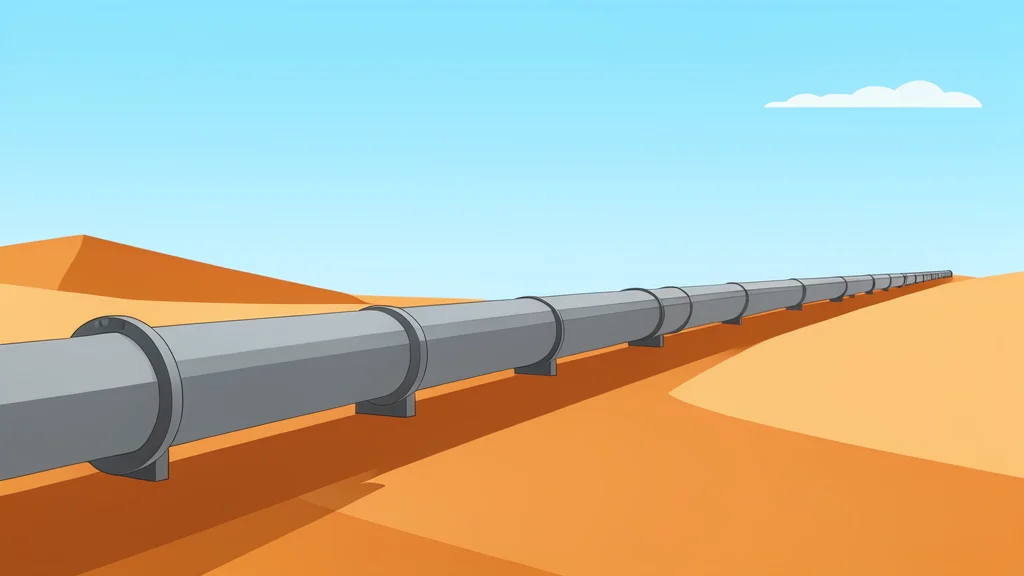
The recent escalation places significant pressure on vital oil transport infrastructure, with particular focus on the East-West pipeline. This strategic route, which connects the eastern oil fields to the Red Sea port of Yanbu, was targeted by a pro-Iranian group in Iraq. While the pipeline is expected to resume operations soon, the disruption highlights the vulnerability of the region's energy supply chains amidst the widening Middle East conflict.
Regional Conflict Intensifies
The Houthis, who maintain strong ties with Tehran, announced retaliatory strikes on an airbase in response to Saudi-led airstrikes in Yemen. As the Saudi-led coalition continues to engage forces that have seized strategic locations along Yemen’s western coast, the conflict risks further destabilizing the area. According to GN auto geopolitics/global: regional conflict, the situation reflects a broader pattern of cross-border tensions that have drawn in multiple regional actors.
Market analysts note that oil prices have begun to rise in anticipation of potential supply disruptions. The uncertainty surrounding the duration of the pipeline outage and the likelihood of further attacks on shipping lanes has introduced volatility into global energy markets. Traders are closely monitoring developments to assess the long-term impact on crude oil logistics and regional trade dynamics.
Diplomatic Channels Prepare for Action
The United Nations Security Council is preparing to convene a discussion on the escalating crisis, aiming to address the threats to regional stability. Diplomats from various nations are engaging in consultations to gauge the extent of the conflict’s impact on international security. The council’s response will be closely watched as it seeks to balance the interests of its member states amid a complex geopolitical landscape.
Meanwhile, the level of direct U.S. intervention remains uncertain, with Washington carefully weighing its strategic objectives in the region. Observers suggest that the international community is divided on the appropriate course of action, ranging from diplomatic pressure to potential logistical support for regional defense efforts. The lack of a unified international stance adds another layer of complexity to the ongoing negotiations.
Energy Infrastructure Under Strain
The resilience of Saudi Arabia’s oil infrastructure is being tested by the current hostilities. The East-West pipeline is a critical artery for the country’s export capacity, and its temporary suspension forces the redirection of shipments through alternative routes. Engineering teams are working to assess the damage and ensure the safety of the system before full operations are restored.
The forward question now centers on whether the recent attacks will serve as a precursor to sustained conflict or if diplomatic efforts can de-escalate the situation. The next 48 hours will likely reveal whether the UN discussions yield concrete proposals for a ceasefire or further engagement. Investors and policymakers alike are bracing for potential shifts in market sentiment as the geopolitical outlook remains fluid.