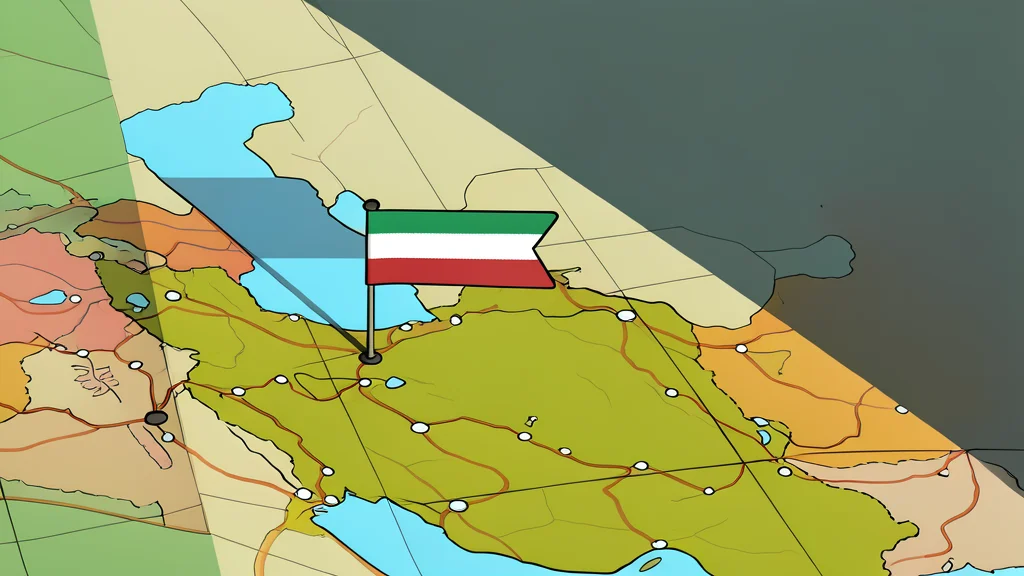
Seoul Weighs Strategic Risks in Hormuz
South Korea faces a complex diplomatic crossroads as it considers potential military support in the Strait of Hormuz, a decision that balances alliance commitments against national security and economic interests.
South Korea is grappling with a significant foreign policy dilemma regarding its potential role in the escalating tensions around the Strait of Hormuz. Following public criticism from Washington over Seoul’s initial hesitation to commit resources, the Korean government has indicated it is evaluating options for military contribution. This development places the nation in a sensitive position, potentially mirroring the divided military alignments seen during the Vietnam War era, where national interests often clashed with alliance expectations.
The core of the debate centers on the balance between maintaining the strategic partnership with the United States and safeguarding South Korea’s own security and economic lifelines. As a major importer of energy from the Middle East, Seoul cannot afford to compromise its national safety or the welfare of its citizens in the region simply to uphold diplomatic ties. According to the GN auto geopolitics/asia-pacific: Korea Strait, this situation demands a careful weighing of principles rather than a reflexive response to allied pressure.
Historical Echoes of Alliance Tensions
This current standoff recalls the complex decision-making process of the 1960s when South Korea sent troops to Vietnam. At that time, the country was emerging from the devastation of the Korean War and relied heavily on American aid. Young intellectuals and policymakers debated whether participating in a conflict condemned by many nations would isolate South Korea or secure the trust and capital needed for development. Ultimately, the deployment proceeded, driven by the necessity of securing U.S. support for economic reconstruction.
Today, the dynamics have shifted but the underlying tension remains. While the United States remains a cornerstone of South Korean security, the modern geopolitical landscape is more fragmented. Korea must navigate not only its relationship with Washington but also its interactions with Russia, China, and Iran. The fear is that a perceived lack of loyalty could undermine the alliance, yet an overextension into regional conflicts could jeopardize Korea’s own strategic autonomy and safety.
Constitutional Requirements for Deployment
Given the high stakes involved, the decision to deploy forces cannot be made in secrecy or reduced to a mere formality. The South Korean Constitution mandates parliamentary consent for overseas troop deployments, ensuring that decisions affecting the nation’s fate are subject to democratic scrutiny. Critics argue that the government must move beyond vague statements of consideration and provide substantive information to the legislature and the public.
Transparency is essential for building public trust and ensuring that the mandate for any mission is clearly defined. This includes specifying the operational area, the duration of the deployment, the chain of command, and the rules of engagement. Without these details, there is a risk that the mission could expand beyond its initial scope, drawing South Korea into direct conflict with Iranian forces, who have warned that such action would be treated as direct participation in war.
Economic and Security Implications
The economic repercussions of any military involvement in the Strait of Hormuz are profound. South Korea depends heavily on the Middle East for its energy supply, and any disruption to shipping lanes or escalation of hostilities could have severe consequences for its economy. Furthermore, the safety of Korean residents and businesses in the region is at risk if diplomatic relations with Iran deteriorate due to perceived alignment with Washington.
A multinational framework, potentially under United Nations auspices, could offer a more legitimate and limited mandate for action. Such a structure might focus on protecting civilian shipping and ensuring freedom of navigation, rather than engaging in combat operations alongside U.S. forces. This approach could mitigate diplomatic fallout while still addressing critical security concerns. However, any such mission must be carefully calibrated to avoid triggering the very conflicts it seeks to prevent.