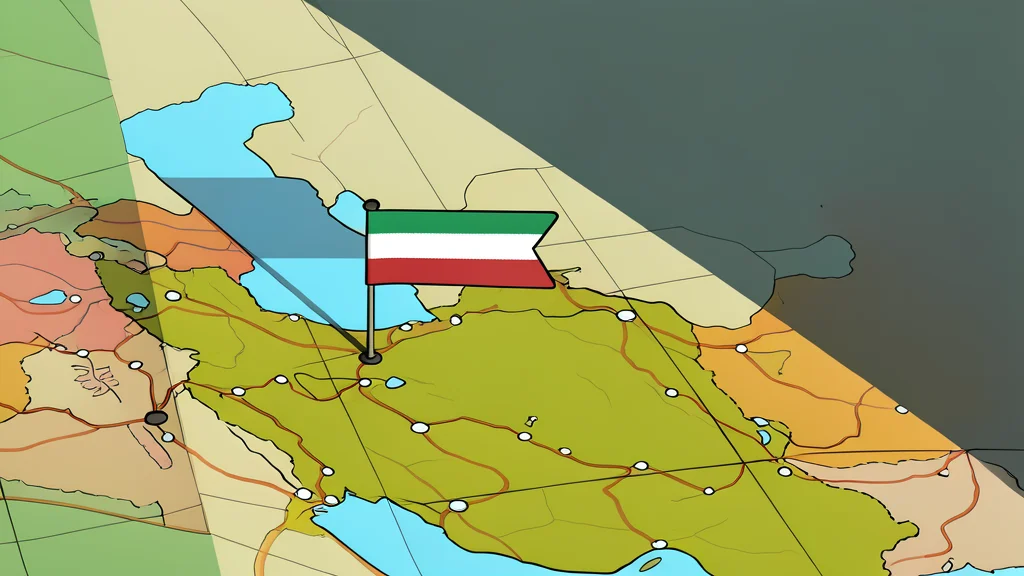
Shipping Conflict Expands Across Gulf and Red Sea
An Iranian cargo vessel was struck near the Strait of Hormuz, coinciding with Houthi consolidation of the Bab el-Mandeb route, as diplomatic efforts to secure shipping lanes intensify.
An Iranian commercial vessel was struck off Qeshm Island in the Strait of Hormuz early Sunday, according to reports from Iranian state media. The incident resulted in one fatality and four injuries, marking a significant escalation in the regional conflict that has already disrupted global energy flows. This event occurs against a backdrop of intensifying threats to maritime security, with both the Persian Gulf and the Red Sea becoming focal points of military activity.
The attack drew immediate attention to the strategic importance of the strait, a chokepoint for a significant portion of the world's oil shipments. Hours before the incident, Iranian President Masoud Pezeshkian issued a defiant statement on social media, asserting that Iran would not surrender to external pressure. Meanwhile, U.S. President Donald Trump, speaking from Ireland, suggested that Tehran was eager to negotiate, though he declined to confirm whether U.S. forces were responsible for the strike on the cargo ship.
Houthi Control Over Red Sea Routes
While the Strait of Hormuz remains a primary concern, Yemen’s Houthi rebels have expanded their influence over the Bab el-Mandeb Strait in the Red Sea. According to recent developments, the Iran-backed group has taken control of key areas, including the capture of an island, which allows them to further restrict Saudi oil exports. This dual-front pressure on shipping lanes complicates the global energy market and raises the stakes for international navigation.
In response to the Houthi advance, Yemeni government forces, supported by Saudi Arabia, launched strikes against Mokha, a location recently taken by the rebels. A spokesperson for the government forces stated that weapons and vehicles were destroyed, and Houthi fighters were killed in the operation. These military actions highlight the broader geopolitical struggle for dominance over critical maritime corridors in the region.
Diplomatic Tensions and U.S. Posture
Diplomatic efforts are underway to manage the crisis, with Gulf states reportedly planning to meet with Iranian officials in Oman to discuss the status of the Strait of Hormuz. President Trump indicated a hands-off approach to these regional negotiations, stating that it was up to the involved parties to resolve the issue. However, the U.S. military remains active in the region, having previously struck Iranian-flagged vessels as part of a blockade of Iranian ports, facing new threats from Iranian ballistic missiles.
The U.S. Embassy in Abu Dhabi issued a security alert advising Americans to exercise increased caution in areas associated with Jewish and Israeli communities, particularly during the Rosh Hashanah holiday. This warning reflects the heightened security environment across the Gulf, where the ongoing conflict has led to a sustained advisory for U.S. citizens worldwide to remain vigilant.
Implications for Global Energy Markets
The disruption in both the Strait of Hormuz and the Bab el-Mandeb Strait has driven up oil prices, impacting global energy markets. Iran’s blockade of the Hormuz strait during the war has further exacerbated supply concerns. President Trump claimed that the conflict would end shortly after upcoming U.S. midterms, predicting a subsequent drop in gasoline prices. However, the current instability continues to pose significant risks to the stability of international energy supply chains.
As the situation evolves, the focus remains on the potential for further military engagements and the success of diplomatic channels. The interplay between military actions in Yemen and the Gulf, along with the stated positions of U.S. and Iranian leadership, will determine the trajectory of the conflict. Observers are watching closely for any signs of de-escalation or further expansion of hostilities that could impact global shipping and economic stability.