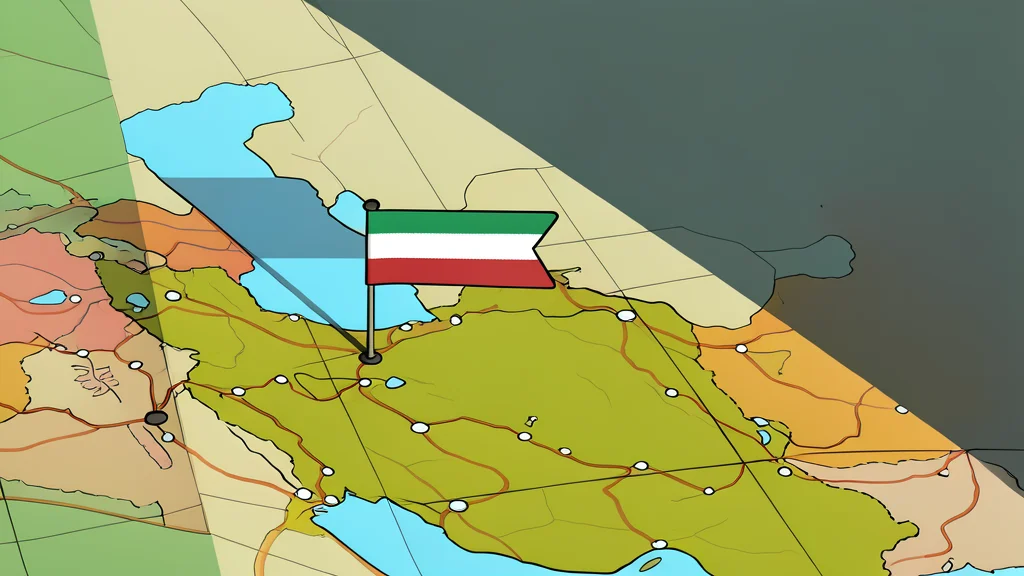
Tehran Links Nuclear Talks to Hormuz Resolution
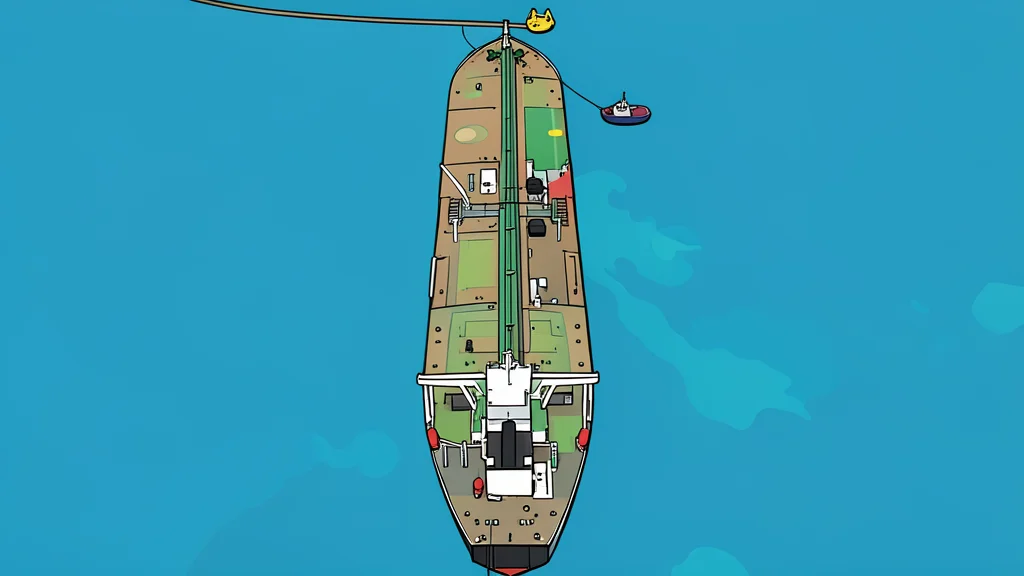
Diplomats indicate that the resumption of nuclear negotiations is contingent upon resolving the standoff over the Strait of Hormuz and lifting naval restrictions on Iranian ports.
Iran and the United States are preparing to restart nuclear negotiations, but the path forward remains obstructed by a significant geopolitical impasse. According to recent diplomatic signals, Tehran has conditioned its willingness to discuss its nuclear program on the resolution of the Strait of Hormuz issue. This includes the lifting of the US naval blockade currently affecting Iranian ports, a demand that underscores the deepening entanglement between economic sanctions and security architecture in the region.
The situation is further complicated by recent tensions in the Gulf and Red Sea regions. While regional actors report a willingness to engage in dialogue, the underlying structural disputes over maritime sovereignty and military presence remain unresolved. The Iranian foreign ministry has emphasized that its stance is not merely punitive but procedural, asserting that normalcy in the strait is a prerequisite for any substantive discussion regarding nuclear enrichment limits.
Maritime tensions define diplomatic leverage
The Strait of Hormuz has evolved from a commercial chokepoint into a primary instrument of geopolitical leverage. According to reports from the GN auto geopolitics/middle-east: Iran nuclear desk, Tehran has made it clear to regional players that the issue is non-negotiable. The Iranian Foreign Ministry has stated that a joint approach with Oman is being pursued to manage the waterway responsibly, suggesting a bid to internationalize the management of the strait to dilute unilateral US authority.
This diplomatic maneuvering coincides with heightened military activity in the broader region. In Yemen, government forces have engaged in intensified operations against Houthi positions, with accusations of Iranian support circulating among regional rivals. However, Iranian officials have firmly denied any direct involvement, describing the Houthis as independent actors. This distancing strategy appears designed to maintain plausible deniability while allowing regional proxies to exert pressure on shipping lanes and neighboring states.
Institutional friction with the IAEA
Parallel to the bilateral talks, institutional friction with the International Atomic Energy Agency (IAEA) has escalated. Iran recently summoned the Austrian chargé d’affaires after Vienna refused to issue visas to the head of Iran’s nuclear agency for a scheduled meeting. Iranian officials attributed this decision to pressure from Washington, characterizing it as an unjustified interference in their sovereign rights. This move signals a potential shift toward a more confrontational stance with multilateral monitoring bodies.
Furthermore, Tehran has rejected US allegations regarding nuclear activities at the Pickaxe Mountain site. According to Iranian spokespersons, such claims are baseless and part of a broader psychological warfare campaign. The insistence on the absence of nuclear facilities in such locations highlights the ongoing intelligence gap between the two nations, where verification mechanisms are increasingly viewed through a lens of political suspicion rather than technical necessity.
Regional spillover and broader implications
The diplomatic stalemate occurs against a backdrop of widening conflicts that threaten to spill over into direct confrontations. In the West Bank, human rights organizations have accused Israeli authorities of policies aimed at eliminating the possibility of a Palestinian state, citing intensified restrictions and violence. While these developments are distinct from the nuclear negotiations, they contribute to a regional atmosphere of heightened tension that complicates any diplomatic breakthrough. The interconnection between these conflicts suggests that a resolution in one area may be difficult to achieve without addressing the broader security architecture.
As the two sides prepare for renewed talks, the focus remains on whether the Strait of Hormuz can be decoupled from the nuclear agenda. The forward question lies in the ability of intermediaries to find a compromise that satisfies both the economic interests of global energy markets and the security imperatives of regional powers. Watch for further announcements from Muscat regarding the Iran-Oman joint management proposal, as well as any shifts in US naval posture in the Gulf, which will serve as the primary indicators of whether a genuine diplomatic thaw is possible.